Best Sandpaper For Belt Sander




Choosing the right sandpaper for your belt sander is crucial to ensure a smooth and efficient sanding process. The quality and grit of the sandpaper can greatly impact the overall effectiveness and finish of your project. Whether you are working on wood, metal, or other materials, having the best sandpaper for your belt sander is essential.
One important factor to consider when selecting sandpaper for your belt sander is the grit. The grit refers to the coarseness or fineness of the abrasive particles on the sandpaper. Lower grit numbers, such as 40 or 60, are more coarse and are ideal for heavy-duty sanding, removing large amounts of material, or shaping surfaces. Higher grit numbers, such as 120 or 220, are finer and are suitable for finishing, polishing, or sanding delicate surfaces.
Another important consideration is the type of sandpaper. There are two main types: aluminum oxide and silicon carbide. Aluminum oxide is the most commonly used type, as it is durable and long-lasting. It is suitable for a wide range of materials and applications. On the other hand, silicon carbide sandpaper is more brittle and is ideal for sanding harder materials such as glass, stone, or concrete. It is also commonly used for sanding finishes or removing paint.
When it comes to brands, there are several reputable options available. Some of the top brands for sandpaper include 3M, Norton, and Mirka. These brands offer a wide variety of grits and types to suit different needs and projects. It is important to choose a reputable brand to ensure that you are getting high-quality sandpaper that will last and provide optimal results.
Understanding Sandpaper Grits
Sandpaper grit refers to the coarseness or fineness of the abrasive particles on the paper. It is important to understand the different grits available, as this will determine the type of sanding job you can achieve. The grit number indicates the size of the particles, with lower numbers representing coarser grits and higher numbers representing finer grits.
Coarser grits, such as 40 or 60, are ideal for heavy sanding tasks, such as removing paint or smoothing rough wood surfaces. They are more aggressive and can quickly remove material. On the other hand, finer grits, such as 220 or 320, are better suited for finish sanding or preparing surfaces for painting or staining. They create a smoother and more polished surface.
It is important to note that sanding often requires starting with a coarser grit to remove imperfections and then progressing to finer grits for a smoother finish. This gradual progression helps to avoid creating deep scratches or uneven surfaces. As a general rule, start with a grit that is coarse enough to get the job done efficiently, but not so coarse that it leaves deep marks that are difficult to remove.
When choosing sandpaper for your belt sander, it is also essential to consider the type of material you are working with. Harder surfaces, such as metal or hardwood, may require a coarser grit to effectively remove material, while softer materials, such as pine or plaster, may be better suited to finer grits.
In conclusion, understanding sandpaper grits is crucial for achieving the desired sanding results. Choosing the right grit for your belt sander will depend on the type of sanding task and the material you are working with. By selecting the appropriate grit, you can ensure a smooth and professional finish.
Choosing the Right Grit for Your Belt Sander
When it comes to using a belt sander, one of the most important factors to consider is the grit of the sandpaper. The grit refers to the coarseness of the particles on the sandpaper and determines how rough or smooth the finish will be. Selecting the right grit for your belt sander is crucial to achieving the desired results for your project.
Coarse Grits: Coarse grit sandpaper, such as 40 or 60 grit, is ideal for removing heavy material or shaping wood. It is commonly used for initial sanding or stripping layers of paint or varnish from surfaces. The rough texture of the coarse grit allows for quick material removal and is best suited for tough surfaces or heavy-duty sanding tasks.
Medium Grits: Medium grit sandpaper, such as 80 or 100 grit, is a versatile option that can be used for both material removal and surface smoothing. It is commonly used for general-purpose sanding tasks like smoothing rough wood surfaces or preparing them for painting or staining. Medium grit sandpaper provides a balanced combination of abrasiveness and smoothness.
Fine Grits: Fine grit sandpaper, such as 180 or 220 grit, is ideal for final sanding or finishing touches. It is used to create a smooth surface and remove any remaining imperfections or scratches. Fine grit sandpaper is commonly used for fine woodworking projects, furniture refinishing, or achieving a polished finish on metal surfaces.
Extra Fine Grits: Extra fine grit sandpaper, such as 320 or 400 grit, is used for ultra-smooth finishes and polishing delicate materials. It is commonly used for sanding between coats of finish or to achieve a high-gloss shine. Extra fine grit sandpaper is perfect for giving your project that professional, flawless appearance.
Choosing the right grit for your belt sander ultimately depends on the nature of your project and the level of finish you desire. It is always a good idea to start with a coarser grit and progressively work your way up to finer grits for the best results. Make sure to consider the material you are working with and adjust the grit accordingly to achieve the desired outcome.
Top Brands for Sandpaper
When it comes to sandpaper for belt sanders, there are several top brands that consistently deliver high-quality products. These brands have established themselves as leaders in the industry and are trusted by professionals and DIY enthusiasts alike.
1. Norton
Norton is a well-known and respected brand in the sandpaper market. They offer a wide range of sandpaper for belt sanders, including both coated and non-coated options. Norton sandpaper is known for its durability and long-lasting performance. Their products are designed to provide optimal results and are suitable for various sanding tasks.
2. 3M
3M is another top brand that produces sandpaper for belt sanders. They are known for their innovative sanding solutions, and their sandpaper is no exception. 3M offers a range of grits and backing materials to suit different sanding needs. Their sandpaper is known for its superior cutting power and long lifespan, making it an excellent choice for professional use.
3. Diablo
Diablo is a reputable brand that specializes in sanding and abrasive products. They have a wide selection of sandpaper for belt sanders, designed to deliver exceptional results. Diablo sandpaper is known for its durability, fast cutting action, and smooth finish. Whether you are sanding wood, metal, or plastics, Diablo has a sandpaper product to meet your needs.
- Other notable brands for sandpaper include:
- Freud
- Mirka
- Bosch
- Porter-Cable
When choosing sandpaper for your belt sander, it is important to consider the specific requirements of your project and select a brand that offers the right grit and backing material for the task at hand. The top brands mentioned above are known for their quality and reliability, making them excellent choices for professionals and DIYers alike.
Durability and Longevity of Sandpaper
Durability of Sandpaper
When it comes to sanding, the durability of sandpaper is crucial. The quality of the abrasive material used in the sandpaper determines its durability. Sandpaper with a higher grit number often has smaller and more tightly-packed abrasive particles, which can result in a longer lifespan. Additionally, sandpaper with a strong backing material, such as cloth or durable paper, is more resistant to wear and tear during use. The durability of sandpaper is important because it ensures that the abrasive surface remains intact and effective, allowing for more efficient sanding.
Another factor that affects the durability of sandpaper is the bonding agent used to attach the abrasive particles to the backing material. A high-quality bonding agent ensures that the abrasive particles stay securely in place, even during vigorous sanding. This prevents premature wear and tear of the sandpaper, allowing it to last longer and provide consistent performance. Additionally, a strong bonding agent prevents the sandpaper from becoming clogged with debris, further extending its lifespan.
Longevity of Sandpaper
- Proper storage: Storing sandpaper in a cool, dry place protects it from moisture and prevents it from deteriorating over time.
- Regular cleaning: Cleaning sandpaper after use removes debris and extends its lifespan. Brushing or blowing off the accumulated dust and particles helps to maintain the effectiveness of the abrasive surface.
- Choosing the right grit: Using the appropriate grit for the task at hand minimizes the need for excessive sanding and helps to preserve the sandpaper. Starting with a coarser grit and gradually moving to a finer grit can help achieve optimal results while minimizing wear on the sandpaper.
- Applying the right pressure: Applying excessive pressure during sanding can cause the sandpaper to wear out quickly. Using the right amount of pressure ensures that the sandpaper lasts longer and maintains its effectiveness.
- Rotating the sandpaper: Rotating the sandpaper on the sander periodically distributes wear evenly across the surface, preventing premature wear on specific spots. This helps to prolong the overall lifespan of the sandpaper.
By considering the durability and taking proper care of sandpaper, it is possible to maximize its longevity and ensure its continued effectiveness for various sanding tasks.
Sandpaper for Specific Materials
When it comes to sanding different materials, using the right type of sandpaper is crucial for achieving the best results. Each material has its own unique characteristics, which require specialized sandpaper to ensure optimal performance and the desired finish.
Wood: When sanding wood, it is important to choose sandpaper with the appropriate grit size for the task at hand. Coarse grits (such as 40 or 60) are typically used for removing heavy surface imperfections or smoothing rough wood, while finer grits (such as 120 or 180) are ideal for achieving a smooth finish and preparing the wood for staining or painting. For final polishing, even finer grits (such as 220 or 320) can be used. Depending on the project, sandpaper comes in various forms such as belts, discs, or sheets, providing versatility and ease of use.
Metal: Sanding metal requires sandpaper that is specifically designed to cut through and remove material from metal surfaces. Aluminum oxide sandpaper is commonly used for sanding metal, as it provides aggressive cutting action and good durability. It is available in various grit sizes, allowing for effective rough shaping or smoothing of metal surfaces. Silicon carbide sandpaper is another option for sanding metal, as it offers excellent cutting power and is often used for fine sanding or polishing metal surfaces.
Plastic: Sandpaper for sanding plastic is usually made of aluminum oxide or silicon carbide, which are effective in removing material from plastic surfaces without causing excessive heat buildup. It is important to choose sandpaper with a grit size appropriate for the desired level of surface finish. For rough shaping or removing large imperfections, a coarser grit is recommended, while finer grits are suitable for achieving a smooth finish.
Paint and Finish Removal: When it comes to removing paint or finish from surfaces, sandpaper with coarse grits (such as 40 or 80) is often the most effective choice. The abrasive surface of the sandpaper allows for efficient removal of the old paint or finish, preparing the surface for refinishing. As the process progresses, switching to finer grits (such as 120 or 180) can help smoothen the surface and achieve the desired level of preparation.
Overall, choosing the right sandpaper for specific materials is essential for achieving the desired result. Understanding the characteristics of different sandpaper types and selecting the appropriate grit size can make a significant difference in the efficiency and quality of the sanding process.
Tips for Using Sandpaper on a Belt Sander
Using sandpaper on a belt sander can greatly speed up the sanding process and ensure a smooth and even finish. However, it is important to use the right techniques and take precautions to achieve the best results. Here are some tips to help you use sandpaper effectively on a belt sander:
- Choose the right grit: The grit of the sandpaper determines how coarse or fine the sanding action will be. For rough sanding and material removal, use a lower grit (around 60 or 80). For smoothing and finishing, choose a higher grit (such as 120 or 220).
- Properly attach the sandpaper: Make sure the sandpaper is securely attached to the belt sander. Check for any loose ends or wrinkles that could cause issues during sanding. Follow the manufacturer’s instructions for attaching the sandpaper to the sander.
- Start with low speed: Begin sanding with the belt sander set at a low speed to get a feel for the tool and the surface you are working on. Gradually increase the speed as you become more comfortable and confident.
- Move with the grain: Always sand with the grain of the wood to prevent damaging the surface and to achieve a smoother finish. Sanding against the grain can result in scratches and an uneven appearance.
- Keep the sander moving: Avoid keeping the sander in one spot for too long, as this can create uneven sanding marks. Move the sander in a steady and fluid motion, working in a back-and-forth or side-to-side direction.
- Use gentle pressure: Let the weight of the sander do the work as you guide it over the surface. Applying excessive pressure can lead to uneven sanding and can strain your arms and hands.
- Check the sandpaper regularly: Periodically inspect the sandpaper for signs of wear or clogging. Replace it if it becomes dull or ineffective. Clear away any debris or dust that accumulates on the sandpaper during sanding.
- Practice on scrap wood: If you are new to using a belt sander, practice on a piece of scrap wood before tackling your main project. This will help you get a feel for the tool and allow you to make any necessary adjustments.
Using sandpaper on a belt sander can be a great way to achieve smooth and professional-looking finishes. By following these tips and practicing proper technique, you can make the most of your belt sander and achieve excellent results on your woodworking projects.
10 Best Sandpaper For Belt Sander
SHALL Sandpaper Roll Set with Various Grits
Features
| Part Number | SH123001EU |
| Model | SH123001EU |
| Color | brown |
| Size | 9.3cm x 5m |
40-Piece Sandpaper Set for Multiple Applications
Features
| Part Number | 45QO9K1R2XAE3UG30LE12KYDNSS |
| Model | 45QO9K1R2XAE3UG30LE12KYDNSS |
| Color | as picture show |
Versatile Sandpaper Abrasive Bands for Tools
Features
| Part Number | MERRIYARD |
| Model | MERRIYARD |
| Color | 120# |
| Size | 3Meters |
Culnflun Sandpaper Belts for Fine Finishing
Features
| Part Number | Culnflund78tokan56-18 |
| Model | Culnflund78tokan56-18 |
| Size | 240# |
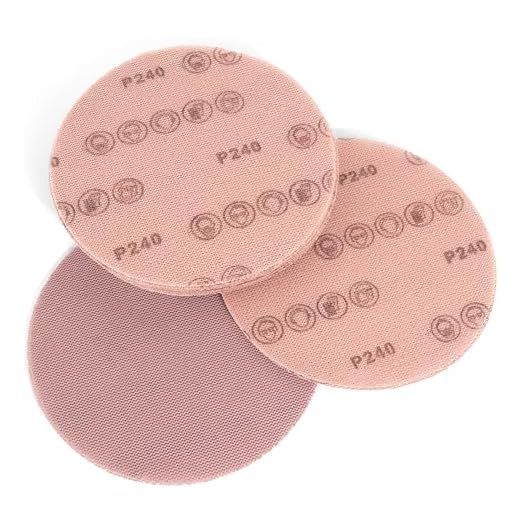
Kcmell Mesh Sanding Discs for Dust-Free Work
Features
| Part Number | 23-KMUK060-S240 |
| Model | 150mm 240Grit-20P |
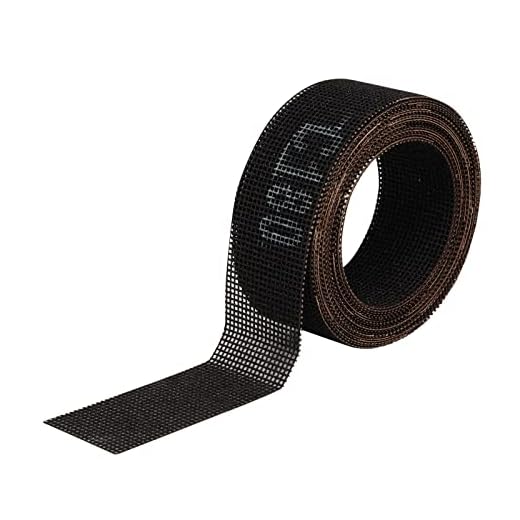
Draper Abrasive Strips for Efficient Sanding
Features
| Part Number | 37791 |
| Model | 37791 |
| Warranty | Consumable Warranty Applies |
| Color | Black |
| Size | One Size |
Premium Aluminum Oxide Sanding Belt Set
Features
| Part Number | 3x21(40grit) |
| Model | 3x21(40grit) |
| Color | Brown |
| Size | 40 Grit |
FAQ:
What grit sandpaper should I use on a belt sander?
It depends on the type of material you are sanding. For heavy-duty sanding and material removal, start with a lower grit sandpaper, such as 60 or 80. For finer sanding and finishing work, you can use higher grit sandpaper, like 120 or 150.
How do I change the sandpaper on a belt sander?
To change the sandpaper on a belt sander, first, make sure the power is off and unplugged. Then, loosen the tension on the sanding belt by adjusting the tension lever or knob. Remove the old sanding belt from the sander and align the new belt with the sander’s rollers. Tighten the tension lever or knob to secure the new sanding belt in place. Make sure the belt is centered and aligned properly before turning on the power and using the sander.
Conclusion
In conclusion, using sandpaper on a belt sander can be highly effective in achieving smooth and polished surfaces. However, it is crucial to follow some key tips to maximize its effectiveness. Choosing the right grit size, keeping the sandpaper clean and free from debris, and properly positioning the workpiece are all essential factors in achieving the desired results. Additionally, taking safety precautions such as wearing protective gear and using the belt sander in a well-ventilated area is important to prevent any potential accidents. By following these tips, anyone can effectively use sandpaper on a belt sander and achieve professional-looking finishes on their woodworking projects.


Meet Harrison Clayton, a distinguished author and home remodeling enthusiast whose expertise in the realm of renovation is second to none. With a passion for transforming houses into inviting homes, Harrison's writing at https://hutsrenovations.co.uk/ brings a breath of fresh inspiration to the world of home improvement. Whether you're looking to revamp a small corner of your abode or embark on a complete home transformation, Harrison's articles provide the essential expertise and creative flair to turn your visions into reality. So, dive into the captivating world of home remodeling with Harrison Clayton and unlock the full potential of your living space with every word he writes.