
Best Number Of Teeth For Saw Cutting Decking





When it comes to cutting decking boards, choosing the right number of teeth for your saw is crucial. The number of teeth on a saw blade determines the speed and quality of the cut.
For most decking projects, a saw blade with around 24 to 40 teeth is recommended. This range strikes a balance between cutting speed and smoothness of the cut. Blades with fewer teeth will cut more quickly, but the cut may be rougher and require more sanding. On the other hand, blades with more teeth will produce a smoother cut, but the cutting process may be slower.
The type of decking material you are working with should also be taken into consideration when selecting the number of teeth for your saw blade. For softwoods such as pine or cedar, a blade with fewer teeth may be sufficient. However, if you are working with hardwoods like oak or teak, a higher tooth count may be necessary to achieve a clean cut.
Ultimately, the best number of teeth for your saw cutting decking will depend on your specific project and preferences. It is always a good idea to test different blades and tooth counts on a scrap piece of decking material before making your final decision.
Choose the Best Number of Teeth for Saw Cutting Decking
When it comes to cutting decking boards, it is important to choose the right number of teeth for the saw blade. The number of teeth on a saw blade determines how smooth and clean the cut will be. It also affects the speed and efficiency of the cutting process. Therefore, selecting the best number of teeth for saw cutting decking is crucial for achieving the desired results.
There are different options available when it comes to the number of teeth on a saw blade. Generally, blades with more teeth tend to provide a smoother and cleaner cut. This is because more teeth result in smaller and more frequent cuts, reducing the chances of splintering or chipping the decking boards. On the other hand, blades with fewer teeth are more aggressive, allowing for faster cutting but with a slightly rougher finish.
For cutting decking boards, a saw blade with around 24 to 40 teeth is recommended. This range strikes a balance between cut quality and cutting speed. A blade with 24 to 40 teeth is more than capable of cutting through decking materials efficiently while still providing a relatively clean finish. However, the exact number of teeth may vary depending on the type of decking material and the desired smoothness of the cut.
It is also worth considering the thickness of the decking boards. Thicker boards may require blades with more teeth to ensure a clean cut, while thinner boards may not require as many teeth. Additionally, proper maintenance and sharpness of the saw blade are important factors to consider for achieving optimal performance and longevity.
In conclusion, choosing the best number of teeth for saw cutting decking involves striking a balance between cut quality and cutting speed. A blade with around 24 to 40 teeth is generally recommended for most decking projects. However, factors such as the type and thickness of the decking material should also be taken into account. Regular maintenance and the use of a sharp blade are essential for achieving the best results.
Why the Number of Teeth Matters
When it comes to saw cutting decking, the number of teeth on the blade plays a crucial role in determining the quality of the cut. The number of teeth refers to the amount of cutting edges that the blade has, and this directly affects how smoothly and efficiently the saw operates.
A blade with a high number of teeth will result in a smoother cut, as each tooth removes a smaller amount of material. This is especially important when working with delicate materials like decking, as a rough cut can lead to splintering and damage. On the other hand, a blade with a low number of teeth will remove material more aggressively, but the cut may not be as clean or precise.
In addition to the quality of the cut, the number of teeth also affects the speed at which the saw can cut through the decking. With more teeth, the blade will take longer to complete each cut, but the end result will be smoother. Conversely, a blade with fewer teeth will cut through the material faster, but the surface may be rougher.
Factors to Consider When Choosing the Number of Teeth
When selecting the appropriate number of teeth for a saw blade used in decking, several important factors should be taken into consideration. These factors will help determine the ideal number of teeth that will provide the desired cutting performance and efficiency for the specific decking material being used.
Material Type: The type of material being cut is one of the most important factors to consider. Different types of decking materials, such as hardwood, softwood, composite, or PVC, require different tooth configurations to achieve optimal cutting results. Harder materials may require blades with fewer teeth to prevent clogging and ensure efficient cutting, while softer materials may benefit from blades with more teeth for a smoother finish.
Cutting Speed: The desired cutting speed also plays a role in determining the number of teeth. Blades with more teeth tend to cut slower but provide a finer finish, while blades with fewer teeth cut faster but may leave a rougher surface. Consider the desired balance between speed and finish when selecting the number of teeth for a saw blade.
Blade Diameter: The diameter of the saw blade is another factor to consider. Larger blades typically have more teeth compared to smaller blades. This is because the tooth spacing needs to be adjusted to maintain optimal cutting efficiency as the blade diameter increases. Additionally, larger blades generate more heat and require more power, so the number of teeth should be selected accordingly to ensure smooth and efficient cuts.
Manufacturer Recommendations: Lastly, it is important to consult the manufacturer’s recommendations for the specific decking material and saw blade being used. Manufacturers often provide guidelines and recommendations regarding the number of teeth for their blades based on the intended application. These recommendations can serve as valuable guidelines for choosing the right number of teeth for optimal cutting performance.
By considering these factors, it is possible to select the best number of teeth for a saw blade when cutting decking, ensuring efficient and precise cuts for a variety of material types and cutting requirements.
Recommended Number of Teeth for Cutting Decking
Choosing the right saw blade for cutting decking is essential to achieve clean and accurate cuts. One important factor to consider is the number of teeth on the blade. The number of teeth can greatly impact the quality of the cut and the efficiency of the cutting process.
When it comes to cutting decking, a blade with a higher number of teeth is generally recommended. Blades with more teeth are designed to make smoother and finer cuts, resulting in a cleaner finish. This is especially important when working with decking materials like wood, as a clean cut can help prevent splintering and ensure a professional-looking end result.
However, it’s important to note that the number of teeth also affects the cutting speed. Blades with more teeth tend to cut more slowly, so if you are looking for faster cutting speed, a blade with fewer teeth may be more suitable. It’s a tradeoff between speed and the quality of the cut.
Ultimately, the recommended number of teeth for cutting decking will depend on factors such as the type of decking material, the desired quality of the cut, and personal preference. It’s always a good idea to consult with professionals or reference guides to ensure you choose the right blade for your specific project.
Tips for Optimal Cutting Performance
Cutting decking boards can be made easier and more efficient with the right saw and blade combination. Here are some tips to achieve optimal cutting performance:
- Choose the right saw: Use a circular saw with a high RPM for clean and fast cuts. Make sure it is capable of handling the thickness of your decking boards.
- Select the appropriate blade: Use a carbide-tipped blade designed for cutting through hardwood or treated lumber. The number of teeth on the blade is crucial for the quality of the cut.
- Consider the number of teeth: The number of teeth on the blade determines the smoothness of the cut. For decking boards, blades with 24 to 40 teeth are typically recommended. Lower tooth count blades are suitable for rough cuts, while higher tooth count blades provide smoother finishes.
- Use proper safety gear: Always wear safety goggles, gloves, and ear protection when operating a saw. Keep the work area clear of debris and use clamps to secure the boards for added stability.
- Maintain the blade: Keep the blade clean and sharp for optimal cutting performance. Remove any resin or buildup to prevent gumming and reduce friction. Sharpen or replace the blade as necessary.
- Consider blade speed: Adjust the speed of the saw according to the thickness and hardness of the decking boards. Higher blade speed is generally better for softer woods, while slower speed may be necessary for denser materials.
By following these tips, you can achieve precise and efficient cuts when working with decking boards. Remember to prioritize safety and maintain your tools for the best results.
10 Best Number Of Teeth For Saw Cutting Decking
Makita 165mm Composite Decking Saw Blade
Features
| Part Number | E-12217 |
| Model | E-12217 |
| Color | Gray |
| Language | English |
Makita 165mm High Tooth Count Saw Blade
Features
| Part Number | E-12158 |
| Model | E-12223 |
| Color | gray |
KWB 190mm Chipboard Circular Saw Blade
Features
| Part Number | 586557 |
| Model | 581557 |
| Color | Chipboard |
| Size | 190 x 16 mm |
Makita 185mm Composite Decking Blade
Features
| Part Number | E-12164 |
| Model | E-12239 |
| Color | gray |
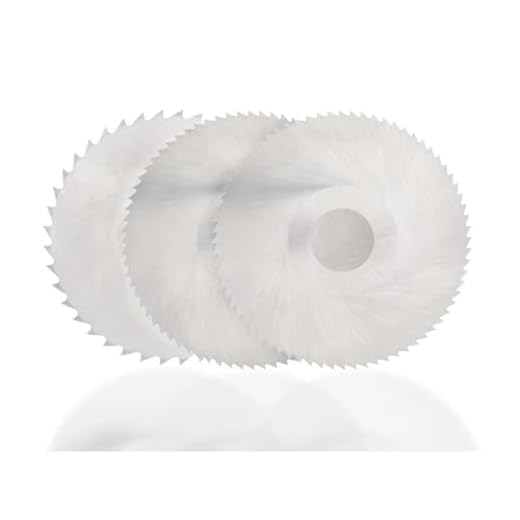
110mm High Hardness Circular Saw Blade
Features
| Part Number | Generic |
| Size | 110x3.0x27x40T |
Makita 260mm EFFICUT Saw Blade
Features
| Part Number | E-12201 |
| Model | E-12273 |
| Color | gray |
Bronze Circular Saw Blade with Carbide Teeth
Features
| Part Number | Agatige9p7yft1msn-11 |
| Model | Agatige9p7yft1msn-11 |
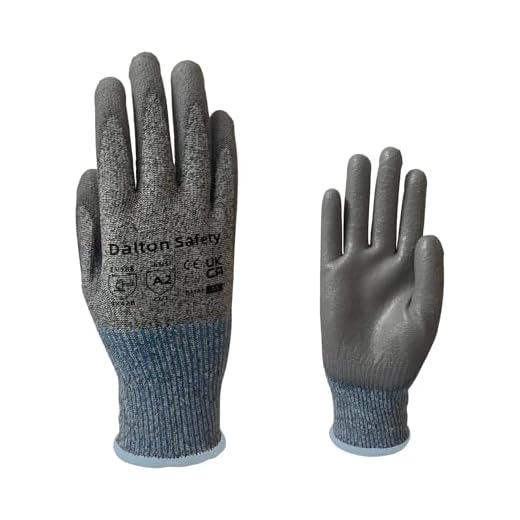
Dalton Safety Cut Resistant Work Gloves
Features
| Part Number | DS301XXL |
| Model | DS301XXL |
| Color | Liner: Salt & Pepper, Blue/Coating: Grey |
| Size | XXL |
FAQ:
What is the best cutting angle for optimal performance?
The best cutting angle for optimal performance depends on the type of material being cut. Generally, a 30-45 degree angle is recommended for most applications.
What is the importance of using a sharp cutting tool?
Using a sharp cutting tool is important for optimal cutting performance as it allows for cleaner and more precise cuts. A sharp tool requires less force to cut through materials, reducing the risk of accidents and fatigue.
How can I improve the cutting performance of my tools?
To improve cutting performance, ensure your tools are properly sharpened and maintained regularly. Additionally, use the appropriate cutting techniques, such as applying steady pressure and making smooth, controlled cuts.
What are some common mistakes that affect cutting performance?
Some common mistakes that can affect cutting performance include using a dull or damaged cutting tool, using the wrong type of tool for the material being cut, and using improper cutting techniques, such as applying too much force or not maintaining a steady hand.
Are there any safety precautions I should take for optimal cutting performance?
Yes, there are several safety precautions you should take for optimal cutting performance. Always wear appropriate safety gear, such as safety glasses and gloves. Make sure your work area is well-lit and free of clutter. Follow proper tool handling procedures and never cut towards yourself or others.
Conclusion
In conclusion, implementing these tips for optimal cutting performance can greatly enhance the efficiency and effectiveness of any cutting process. By choosing the right tool materials, using the proper cutting fluids, maintaining good tool condition, and managing the cutting parameters, it becomes possible to achieve higher cutting speeds, longer tool life, and improved surface finish. Additionally, considering the workpiece material properties and applying appropriate cutting strategies can further enhance the overall cutting performance. Overall, by following these guidelines, manufacturers can maximise efficiency, reduce costs, and ensure the best possible cutting outcomes.


Meet Harrison Clayton, a distinguished author and home remodeling enthusiast whose expertise in the realm of renovation is second to none. With a passion for transforming houses into inviting homes, Harrison's writing at https://hutsrenovations.co.uk/ brings a breath of fresh inspiration to the world of home improvement. Whether you're looking to revamp a small corner of your abode or embark on a complete home transformation, Harrison's articles provide the essential expertise and creative flair to turn your visions into reality. So, dive into the captivating world of home remodeling with Harrison Clayton and unlock the full potential of your living space with every word he writes.