
How Thick Are Table Saw Blades


Table saw blades come in a variety of thicknesses, and the thickness of the blade you choose can have a significant impact on the performance of your table saw. Understanding the thickness of table saw blades is important for achieving accurate cuts and ensuring your safety while working with a table saw.
Table saw blades are typically classified by their kerf, which refers to the thickness of the cut made by the blade. The kerf is determined by the thickness of the blade itself and the amount of material it removes during each cut. Thinner blades tend to have a narrower kerf, while thicker blades have a wider kerf.
Thinner blades, such as those with a thickness of 1/8 inch or less, are often used for making fine cuts, such as those required for detailed woodworking or intricate joinery. These blades are less likely to cause tear-out or chip the material being cut, resulting in cleaner, smoother cuts. However, they may not be as durable or suitable for cutting thicker or denser materials.

Thicker blades, on the other hand, are typically used for general woodworking tasks and cutting thicker materials. They have a wider kerf, which allows them to remove more material with each cut and handle the demands of cutting through dense or tough materials. Thick blades are also generally more durable and can withstand the stresses of cutting through thick stock or abrasive materials.
What Determines the Thickness of Table Saw Blades?
The thickness of table saw blades is determined by several factors that affect their performance and cutting ability. These factors include the type of material being cut, the desired cut quality, and the size and power of the table saw.
1. Material being cut: Different materials require different blade thicknesses to achieve optimal cutting results. For example, when cutting softer woods like pine or cedar, a thinner blade with a higher tooth count may be sufficient. In contrast, cutting harder materials like hardwood or metal may require a thicker blade with fewer teeth to prevent bending or breaking.
2. Desired cut quality: The thickness of the blade can also impact the quality of the cut. Thinner blades generally create smoother cuts with less tear-out, while thicker blades are more suitable for rough cuts where the finish is not as important. The desired cut quality will depend on the specific woodworking project and the preferences of the user.
3. Size and power of the table saw: The size and power of the table saw can influence the thickness of the blades that can be used. Smaller table saws with lower horsepower may have limitations on the maximum blade thickness they can accommodate. It’s important to consult the manufacturer’s guidelines and specifications to ensure that the chosen blade thickness is compatible with the table saw being used.
4. Compatibility with the arbor size: The arbor size, or the size of the hole in the center of the blade, also plays a role in determining blade thickness. Table saw blades are specifically designed to fit a certain arbor size, and it is important to ensure that the chosen blade is compatible with the arbor size of the table saw. Using a blade with the wrong arbor size can lead to poor performance and potential safety hazards.
In conclusion, the thickness of table saw blades is influenced by the material being cut, the desired cut quality, the size and power of the table saw, and compatibility with the arbor size. Understanding these factors can help woodworkers choose the appropriate blade thickness for their specific needs and ensure efficient and precise cutting.
Blade Material and Construction
The quality and performance of a table saw blade depend on its material and construction. There are various materials used in the manufacturing of table saw blades, each with its own unique properties and advantages.
One commonly used material for table saw blades is carbide. Carbide blades are known for their durability and ability to retain sharpness for a long time. They are made by combining tungsten carbide particles with a cobalt binder, resulting in a blade that can withstand high heat and handle tough materials like hardwood and plywood.
Another popular choice is high-speed steel (HSS) blades. These blades are made from a special type of steel that contains a high percentage of tungsten, which provides excellent cutting performance and resistance to wear. HSS blades are often preferred for cutting softwoods and non-ferrous metals.
Some table saw blades are designed with special coatings or finishes to enhance their performance. For example, blades with an anti-friction coating reduce heat buildup and allow for smoother cuts. Other blades may have laser-cut expansion slots to prevent warping and vibration during operation.
Blades can also vary in terms of their construction, such as the number of teeth and tooth geometry. The number of teeth determines the cutting speed and the smoothness of the cut. Blades with more teeth provide finer cuts but require more power. Tooth geometry, such as the angle and shape of the teeth, affects the cutting performance and the type of materials the blade is suitable for.
It’s important to choose a table saw blade that is appropriate for the type of cutting you will be doing. Understanding the different materials and construction features of blades will help you make an informed decision and achieve the best results with your table saw.
Size and Type of Saw
The thickness of table saw blades can vary depending on the size and type of saw. The most common sizes for table saw blades are 10-inch and 12-inch, although other sizes are available as well. The size of the blade refers to the diameter of the blade.
The type of saw you have also plays a role in determining the thickness of the blade you should use. There are two main types of table saws: contractor saws and cabinet saws. Contractor saws are more portable and lightweight, while cabinet saws are heavier and typically used in professional woodworking settings.
For contractor saws, the typical blade thickness is 1/8 inch or 3/32 inch. These smaller blades are often chosen for their ability to make more precise cuts. Cabinet saws, on the other hand, can handle thicker blades, usually ranging from 1/8 inch to 3/16 inch. The thicker blades provide more stability and durability, making them suitable for heavy-duty cutting tasks.
It’s important to match the size and type of the saw with the appropriate blade thickness to ensure optimal performance and safety. Always consult the manufacturer’s guidelines and recommendations to determine the correct blade thickness for your specific saw model.
Choosing the Right Blade Thickness for Your Project
When it comes to table saw blades, the thickness of the blade can have a significant impact on the quality and precision of your cuts. Choosing the right blade thickness for your project is important to ensure that you achieve the desired results.
Thin Blades
Thin blades, typically around 1/8 inch thick, are commonly used for making fine and delicate cuts, such as when working with veneer or other fragile materials. These blades are ideal for intricate designs and detailed work, as they produce minimal kerf and allow for more precise cuts. However, they are not suitable for heavy-duty cutting or ripping through thick stock.
Standard Blades
Standard table saw blades, usually around 3/32 inch to 1/4 inch thick, are the most versatile option for general woodworking projects. These blades can handle a wide range of materials and cuts, including crosscuts, rip cuts, and miter cuts. They provide a good balance between precision and durability, making them suitable for most DIY and professional woodworking applications.
Thick Blades
Thick blades, typically around 3/8 inch to 1/2 inch thick, are designed for heavy-duty cutting and ripping through thick stock. These blades are commonly used in professional woodworking shops or for tasks that require a lot of power, such as cutting hardwoods or dense materials. The thicker blade helps reduce vibration and provides more stability, resulting in cleaner and smoother cuts.
When selecting the blade thickness for your table saw, consider the type of project you will be working on and the materials you will be cutting. Thin blades are ideal for delicate work, standard blades offer versatility for most projects, and thick blades are best suited for heavy-duty tasks. By choosing the right blade thickness, you can optimize the performance of your table saw and achieve the best possible results.
Questions and answers
What is the ideal thickness for a table saw blade?
The ideal thickness for a table saw blade depends on the specific requirements of the project you are working on. Generally, most table saw blades range from 1/8 inch to 3/8 inch thick.
Can I use a thinner or thicker blade than recommended for my table saw?
It is not recommended to use a thinner or thicker blade than what is recommended for your table saw. Using a blade that is not the correct thickness can affect the performance and safety of your table saw.
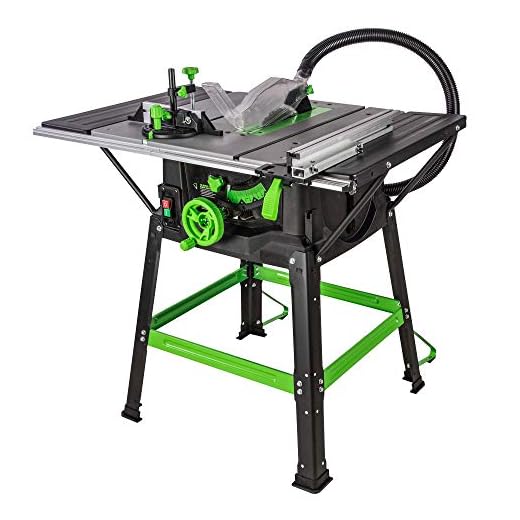
What are the advantages of using a thicker table saw blade?
Using a thicker table saw blade can provide more stability and better accuracy when making cuts. Thicker blades are also generally more durable and less prone to bending or deflection during use.


Meet Harrison Clayton, a distinguished author and home remodeling enthusiast whose expertise in the realm of renovation is second to none. With a passion for transforming houses into inviting homes, Harrison's writing at https://hutsrenovations.co.uk/ brings a breath of fresh inspiration to the world of home improvement. Whether you're looking to revamp a small corner of your abode or embark on a complete home transformation, Harrison's articles provide the essential expertise and creative flair to turn your visions into reality. So, dive into the captivating world of home remodeling with Harrison Clayton and unlock the full potential of your living space with every word he writes.


