
Can You Use An Arc Welder On Brass


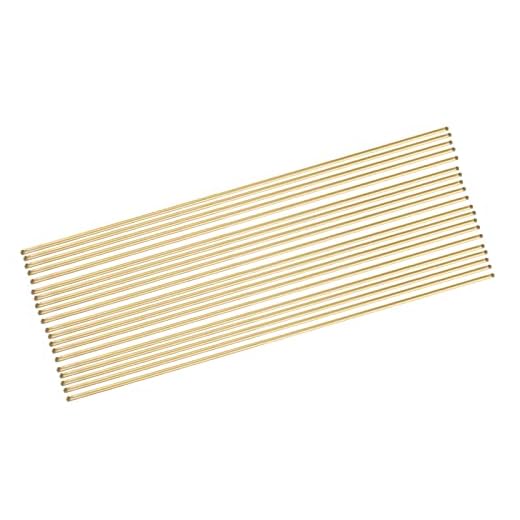

Brass is a popular metal alloy that is known for its durability and attractive golden appearance. It is commonly used in various applications, such as plumbing fittings, musical instruments, and decorative items. One question that often arises is whether it is possible to use an arc welder on brass.
Arc welding is a welding process that uses an electric arc to join metal pieces together. It is commonly used in industries and construction sites for its versatility and effectiveness. However, using an arc welder on brass can be a bit tricky.
Brass is a non-ferrous metal, which means it does not contain iron. The high heat generated by an arc welder can easily melt brass, resulting in a weak and brittle joint. Additionally, the arc welder can cause the brass to oxidize, leading to a poor-quality weld.
Therefore, it is generally not recommended to use an arc welder directly on brass. However, there are alternative methods that can be used to join brass pieces effectively. One such method is brazing, which involves melting a filler metal into the joint between the brass pieces. Brazing allows for a strong and durable bond without melting the base metal.
In conclusion, while it is not advisable to use an arc welder on brass, there are alternative methods such as brazing that can be used to effectively join brass pieces. It is essential to understand the properties of brass and choose the appropriate welding method to ensure a reliable and high-quality weld.
Exploring the Properties of Brass
Brass is an alloy made primarily of copper and zinc. It is known for its attractive golden color and has been used for centuries in various applications, ranging from musical instruments to plumbing fittings. Understanding the properties of brass can help in determining whether it is suitable for specific uses.
Composition and Color
The composition of brass can vary depending on the desired properties and intended application. Typically, it consists of approximately 60-90% copper and 10-40% zinc, although other elements can be added to enhance specific characteristics. The ratio of copper to zinc determines the color of brass, with higher copper content resulting in a more reddish hue, while higher zinc content produces a paler yellow color.
Mechanical Properties
Brass exhibits excellent machinability, making it easy to shape into various forms. It has relatively low melting and boiling points, which contributes to its suitability for casting. Brass also demonstrates good conductivity and corrosion resistance, making it ideal for electrical and marine applications. The addition of other elements, such as lead or tin, can further improve the mechanical properties of brass.
Furthermore, brass is known for its high tensile strength, meaning it can withstand significant forces without breaking or deforming. This property makes brass suitable for applications that require durability and resistance to wear.
<h3<Applications
Due to its unique combination of properties, brass is used in a wide range of industries and applications. It is commonly used in musical instruments, such as trumpets and saxophones, due to its excellent acoustic properties. Brass is also utilized in plumbing fittings, electrical connectors, and various decorative items, thanks to its corrosion resistance and attractive appearance. Additionally, brass is often used in marine applications, as it is resistant to the corrosive effects of saltwater.
In conclusion, brass is a versatile alloy that offers a range of desirable properties, making it suitable for numerous applications. Its composition, color, machinability, and mechanical properties all contribute to its popularity in various industries. Understanding the properties of brass can help in determining its suitability for specific uses and ensure its optimal performance.
Understanding Arc Welding
Arc welding is a popular method used to join metal parts together. It involves the use of an electric arc to create heat that melts the metal, forming a strong bond when it cools. This process is widely used in various industries and for a wide range of applications.
The basic principle behind arc welding is the creation of an electric circuit between the welding machine, the welding electrode, and the workpiece. When the circuit is established, an electric arc is generated, which provides the necessary heat to melt the metal surfaces. The melted metal then solidifies and forms a strong weld joint.
Types of Arc Welding
There are several different types of arc welding techniques, including:
- Shielded Metal Arc Welding (SMAW): Also known as stick welding, SMAW uses a consumable electrode coated with flux to create a protective shield around the weld area.
- Gas Metal Arc Welding (GMAW): Also known as MIG (Metal Inert Gas) welding, GMAW uses a continuous solid wire electrode and a shielding gas.
- Flux-Cored Arc Welding (FCAW): FCAW uses a tubular wire electrode filled with flux, eliminating the need for an external shielding gas.
- Gas Tungsten Arc Welding (GTAW): Also known as TIG (Tungsten Inert Gas) welding, GTAW uses a non-consumable tungsten electrode and a shielding gas.
Benefits of Arc Welding
Arc welding offers several benefits that make it a popular choice for many applications:
- Versatility: Arc welding can be used to join various types of metals, including steel, stainless steel, aluminum, and cast iron.
- Strength: The resulting weld joints are typically strong, durable, and able to withstand high loads and stresses.
- Portability: Arc welding equipment is generally lightweight and portable, allowing for easy transportation and use in different locations.
- Cost-effective: Compared to other welding methods, arc welding is often more affordable, making it a popular choice for small-scale projects.
- Ability to weld thick materials: Arc welding can be used to join thick metal parts, making it suitable for structural applications.
In conclusion, arc welding is a versatile and widely used method for joining metal parts. With its different techniques and numerous benefits, it is a valuable skill for both professional welders and DIY enthusiasts.
Considerations for Welding Brass with an Arc Welder
Brass is a popular choice for various applications due to its attractive golden appearance and excellent corrosion resistance. However, welding brass can be challenging, especially when using an arc welder. Here are some considerations to keep in mind when welding brass:
Selecting the appropriate electrode
When welding brass with an arc welder, it is crucial to choose an appropriate electrode. Common electrode choices include brass-coated carbon electrodes or nickel-based electrodes. These electrodes are specifically designed for welding non-ferrous metals such as brass.
Proper cleaning and preparation
Before welding brass, it is essential to clean the surface thoroughly to remove any dirt, grease, or oxide layers. Brass can have a thin layer of oxide, which can affect the quality of the weld. Use a stainless steel brush or abrasive pad to clean the surfaces to be welded.
Tip: Preheating the brass pieces to around 500-600°F (260-315°C) can help reduce the risk of cracking and improve the weld’s overall quality.
Welding technique
When welding brass, it is crucial to use a low amperage setting on your arc welder. Brass has a relatively low melting point compared to other metals, so excessive heat can easily melt the material instead of creating a proper weld. Experiment with different amperage settings to find the optimal one for your specific brass material.
Note: Avoid excessive welding speed, as it can cause insufficient penetration and weak welds. Find a balance between speed and heat to achieve a strong and durable weld.
In conclusion, while it is possible to weld brass using an arc welder, it requires careful consideration of electrode selection, surface preparation, and welding technique. Following these tips can help you achieve successful brass welds and ensure the durability of your project.
Alternatives to Arc Welding Brass
While arc welding is not typically recommended for brass, there are several alternative methods you can use to join brass parts together:
1. Soldering
Soldering is a popular method for joining brass due to its low melting point. Brass soldering involves heating the brass and applying a solder alloy that melts at a lower temperature than the brass. The solder flows into the joint, creating a strong bond.
2. Brazing
Brazing is a similar process to soldering but uses a higher temperature. With brazing, a filler material is heated and melted, and then it is drawn into the joint by capillary action. The bonding material used in brazing is typically brass or a brass alloy.
Both soldering and brazing are effective for joining brass because they create a strong bond without the need for intense heat. These methods are commonly used for plumbing, jewelry making, and other applications where a permanent and secure joint is needed.
It is important to note that both soldering and brazing require some level of skill and experience to achieve good results. It is always recommended to practice and familiarize yourself with the techniques before working on valuable or important brass projects.
Note: Always follow proper safety precautions when working with soldering or brazing equipment and materials. Ensure you are in a well-ventilated area, wear appropriate protective gear, and work with caution to prevent injuries.
In conclusion, while arc welding is not suitable for brass, soldering and brazing are effective alternatives that can provide strong and reliable joints for brass parts.
Questions and answers
Can I use an arc welder on brass?
Yes, you can use an arc welder on brass. However, it is important to use the appropriate welding rod and technique to achieve a strong and secure weld.
What type of welding rod should I use for welding brass with an arc welder?
When welding brass with an arc welder, it is recommended to use a silicon bronze welding rod. This type of rod is specifically designed for joining brass and provides good strength and corrosion resistance.
Can I weld brass to other metals using an arc welder?
Yes, you can weld brass to other metals using an arc welder. However, it is important to consider the melting point and compatibility of the metals being joined. Different metals may require different welding rods and techniques.
What are the advantages of using an arc welder for brass welding?
Using an arc welder for brass welding offers several advantages. It allows for precise control over the welding process, produces strong and durable welds, and is a cost-effective method compared to other welding techniques.
Are there any limitations or considerations when using an arc welder on brass?
Yes, there are some limitations and considerations when using an arc welder on brass. It is important to avoid overheating the brass, as it can lead to cracking and oxidation. Additionally, proper ventilation and safety measures should be taken due to the release of harmful fumes during the welding process.


Meet Harrison Clayton, a distinguished author and home remodeling enthusiast whose expertise in the realm of renovation is second to none. With a passion for transforming houses into inviting homes, Harrison's writing at https://hutsrenovations.co.uk/ brings a breath of fresh inspiration to the world of home improvement. Whether you're looking to revamp a small corner of your abode or embark on a complete home transformation, Harrison's articles provide the essential expertise and creative flair to turn your visions into reality. So, dive into the captivating world of home remodeling with Harrison Clayton and unlock the full potential of your living space with every word he writes.


