
How To Braze With Tig Welder


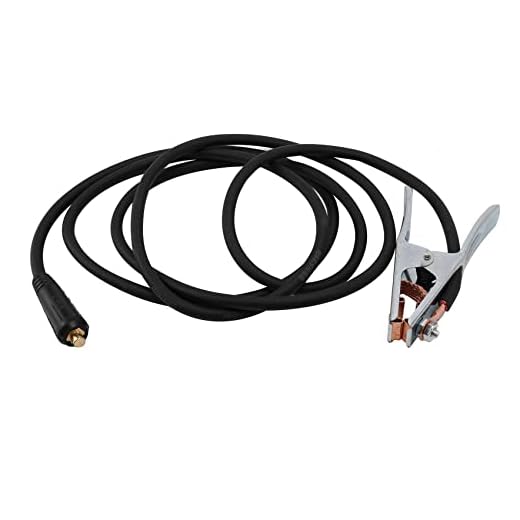
Brazing is a popular method for joining metals together, and using a TIG (Tungsten Inert Gas) welder can make the process even more precise and efficient. TIG welding, also known as GTAW (Gas Tungsten Arc Welding), is a versatile technique that can be used to create strong and aesthetically pleasing brazes.
When brazing with a TIG welder, it is important to have the right equipment and materials. You will need a TIG welder with a high-frequency start feature, as well as a TIG torch and filler metal. The filler metal should be compatible with the metals you are joining and can be in the form of rods or wire.
Before you begin brazing, it is essential to clean the surfaces that will be joined. Use a wire brush or sandpaper to remove any dirt, rust, or paint. It is also important to ensure that the metals fit tightly together with no gaps. This will help create a strong bond when the filler metal is added.
Next, set up your TIG welder and adjust the settings according to the thickness of the metals you are brazing. Generally, a higher amperage setting is needed for thicker metals. Additionally, make sure your TIG torch is in good working condition and properly connected to the welder.

To begin brazing, position the TIG torch at a 10-15 degree angle to the joint and ignite the arc. Slowly move the torch along the joint, evenly distributing heat to both metals. Be careful not to apply too much pressure with the filler metal or move too quickly, as this can result in a weak or incomplete bond.
As you move the torch, add the filler metal to the joint. The filler metal will melt and flow into the joint, creating a strong bond between the two metals. It is important to maintain a consistent and steady pace to ensure the filler metal is evenly distributed.
Once you have brazed the entire joint, let it cool naturally or use a heat sink to cool it more quickly. Avoid quenching the joint in water as this can cause cracking or distortion. Finally, inspect the brazed joint for any defects or imperfections and make any necessary repairs.
By following these steps and practicing proper technique, you can achieve high-quality brazes using a TIG welder. Whether you are a beginner or an experienced welder, mastering the art of brazing with a TIG welder can open up a world of possibilities for your metalworking projects.
Tools and Materials
Before you begin brazing with a TIG welder, it’s important to gather all the necessary tools and materials. Here is a list of the items you’ll need:
1. TIG Welder: The TIG welder is the main tool you’ll be using for brazing. Make sure you have a TIG welder with all the necessary settings and capabilities for brazing.
2. Filler Rod: A filler rod is used to provide additional material during brazing. Make sure you have the appropriate filler rod for the type of metal you’ll be brazing.
3. Torch: The torch is used to create the heat required for brazing. Make sure you have a compatible torch for your TIG welder.
4. Gas Cylinder: Brazing typically requires the use of a shielding gas, such as argon, to prevent oxidation and ensure a clean brazed joint. Make sure you have a gas cylinder with the appropriate gas.
5. Welding Helmet: A welding helmet is essential for protecting your eyes and face from the intense light and heat generated during brazing. Make sure you have a welding helmet with the proper shade for TIG welding.
6. Gloves and Protective Clothing: You’ll also need a pair of welding gloves and protective clothing to protect your hands and body from sparks, hot metal, and heat.
7. Clean and Prepped Metal: It’s important to have clean and properly prepped metal surfaces before brazing. Make sure the metal surfaces are free from dirt, grease, and any other contaminants.
8. Workpiece and Clamps: The workpiece you’ll be brazing and any necessary clamps or fixtures to hold it in place during brazing should also be prepared beforehand.
Having all these tools and materials ready before you start brazing will help ensure a smooth and successful brazing process.
Preparing the Workpiece
Before you can start brazing with a TIG welder, it is crucial to properly prepare the workpiece. This involves several steps to ensure a clean and secure joint.
Clean the Surfaces
The first step in preparing the workpiece is to clean the surfaces that will be brazed. Any dirt, grease, or oxide layers can interfere with the brazing process and weaken the joint. Use a wire brush or abrasive pad to remove any contaminants from the surfaces to be brazed.
Note: When cleaning aluminum surfaces, it is important to use a stainless steel wire brush to prevent contamination.
Deburr and Chamfer
After cleaning the surfaces, check for any burrs or sharp edges. These can interfere with the proper fit-up of the joint and affect the brazing process. Use a file, deburring tool, or sandpaper to remove any burrs or sharp edges.
In addition, consider chamfering the edges of the workpiece. Chamfering creates a smooth and gradual transition between the surfaces, making it easier to apply and distribute the filler metal during brazing.
Tip: Aim for a chamfer angle of approximately 30 to 45 degrees for optimal results.
Fit-up and Alignment
Next, ensure that the workpiece is properly aligned for brazing. This involves checking the fit-up and making any necessary adjustments. Ensure that the joint gaps are within the recommended specifications for the filler metal being used.
You can use clamps, jigs, or tack welds to hold the workpiece in place during the brazing process. This will help maintain the alignment and prevent any movement or distortion.
By properly preparing the workpiece, you can ensure a successful brazing process and a strong, durable joint. Take the time to clean the surfaces, remove burrs, chamfer the edges, and align the workpiece before you begin brazing. These steps will result in a high-quality brazed joint.
Setting Up the Tig Welder
Before you begin brazing with a TIG welder, it is important to properly set up the equipment. Follow these steps to ensure a successful braze:
Step 1: Safety Precautions
Prior to setting up the TIG welder, it is crucial to take safety precautions. Make sure you are wearing appropriate protective gear such as gloves, a welding helmet, and safety glasses. Ensure that your work area is well-ventilated and free from flammable materials.
Step 2: Selecting the Right Electrode and Filler Rod
Choosing the correct electrode and filler rod is essential for a quality brazing job. Typically, a tungsten electrode is used for TIG welding, and the filler rod should match the base metal being brazed. Different materials require different filler rods, so consult the appropriate welding guidelines or an expert for assistance.
Step 3: Preparing the Welding Machine
Ensure that the TIG welding machine is properly set up for brazing. Adjust the welding machine settings such as amperage, pulse settings, and gas flow according to the specific requirements of the braze joint. Refer to the equipment manual or seek advice from an experienced welder if needed.
Step 4: Preparing the Welding Area
Prepare the welding area by thoroughly cleaning the base metal surfaces. Remove any contaminants such as dirt, rust, or grease using a wire brush or cleaning solution. This will help ensure a strong, clean braze joint.
Step 5: Tacking the Joint
Before starting the actual braze, tack the joint by briefly striking an arc to hold the parts in place. This will prevent misalignment during the brazing process. Be careful not to create excessive heat or distortion at the tack welds.
Step 6: Shielding Gas Setup
Set up the shielding gas supply according to the welding machine’s instructions. Make sure the gas flow rate is suitable for brazing. The shielding gas protects the weld pool from atmospheric contamination and helps produce a clean weld.

By following these steps to set up your TIG welder, you will be ready to begin brazing with confidence. Remember to double-check all equipment settings and safety measures before starting the welding process.
Executing the Braze
Once you have prepared the materials and set up your TIG welder for brazing, it’s time to execute the braze. Follow these steps:
1. Position the joint: Make sure the parts to be brazed are securely held together in the desired position. This will help ensure a strong bond and accurate braze.
2. Start the TIG welder: Turn on the TIG welder and set it to the appropriate settings for brazing. Adjust the amperage and gas flow rate as needed.
3. Clean the joint: Using a stainless steel brush or another suitable cleaning tool, clean the joint surface to remove any contaminants. This will help promote proper adhesion and reduce the risk of defects.
4. Apply flux: Apply a thin layer of brazing flux to the joint area. The flux will help prevent oxidation and assist in the brazing process.
5. Begin the braze: Using the TIG welding torch, carefully heat the joint area with the flame. Aim for a consistent, even heating of the joint surface.
6. Add the filler metal: Once the joint area is heated, begin adding the filler metal. Touch the filler rod to the heated joint surface, allowing it to melt and flow into the joint. Move the filler rod along the joint as needed to ensure complete coverage.
7. Control the heat: Throughout the braze, control the heat with the TIG welder settings. Avoid overheating the joint, as this can lead to weakened bonds or excessive melting.
8. Monitor the braze: Keep a close eye on the braze as it progresses. Look for signs of proper fusion, such as a smooth, shiny appearance and good penetration into the joint.
9. Complete the braze: Once the joint is fully filled with the filler metal, carefully move the TIG torch away from the joint, allowing it to cool naturally. Avoid quenching or rapid cooling, as this can result in stresses or cracks.
10. Post-braze cleaning: After the braze has cooled, remove any excess flux or residue from the joint area. Use appropriate cleaning tools and techniques to ensure a clean, presentable final product.
Note: It’s essential to practice proper safety precautions while brazing. Wear appropriate protective gear, work in a well-ventilated area, and follow all manufacturer instructions and guidelines.
Questions and answers
What is TIG welding?
TIG welding stands for tungsten inert gas welding. It is a welding process that uses a non-consumable tungsten electrode to produce the weld.
What materials can be brazed with a TIG welder?
A TIG welder can be used to braze various materials including steel, stainless steel, copper, brass, and bronze.
What are the advantages of brazing with a TIG welder?
One of the advantages of brazing with a TIG welder is that it allows for precise control over the heat input. It also produces clean and strong joints without the need for additional filler materials.
What are the steps to braze with a TIG welder?
The first step is to prepare the surfaces to be brazed by cleaning them thoroughly. Then, the TIG welder needs to be set up with the appropriate settings. The next step is to heat the joint area with the TIG torch while adding the brazing filler metal. Finally, the joint should be allowed to cool slowly to ensure proper brazing.
Can a TIG welder be used for other types of welding?
Yes, a TIG welder can be used for other types of welding such as TIG welding and stick welding. However, the equipment and settings may need to be adjusted accordingly.


Meet Harrison Clayton, a distinguished author and home remodeling enthusiast whose expertise in the realm of renovation is second to none. With a passion for transforming houses into inviting homes, Harrison's writing at https://hutsrenovations.co.uk/ brings a breath of fresh inspiration to the world of home improvement. Whether you're looking to revamp a small corner of your abode or embark on a complete home transformation, Harrison's articles provide the essential expertise and creative flair to turn your visions into reality. So, dive into the captivating world of home remodeling with Harrison Clayton and unlock the full potential of your living space with every word he writes.


