
How to flatten a board with a jointer


Flattening a board is an essential step in woodworking, as it ensures a flat and even surface for further construction or finishing. One of the most effective tools for this task is a jointer. Whether you’re a professional woodworker or a hobbyist, knowing how to use a jointer properly can greatly improve the quality of your projects.
A jointer is a woodworking machine specifically designed to create flat surfaces on rough lumber. It consists of an infeed table, an outfeed table, a cutter head with rotating knives, and a fence. The working principle is simple: the infeed table supports the rough lumber while the rotating knives of the cutter head remove material until the surface becomes flat and even. The outfeed table provides support for the flattened board, ensuring a smooth transition.
Before you begin flattening a board with a jointer, it’s crucial to take safety precautions. Always wear appropriate protective gear, such as safety goggles and ear protection, to prevent any injuries. It’s also important to ensure that the jointer is securely positioned on a stable surface and that the cutting area is clear of any obstacles.
Here’s a step-by-step guide on how to flatten a board with a jointer:
- Prepare the board: Start by selecting a rough lumber board that needs to be flattened. Ensure that the board is of a suitable width and length to fit on the jointer’s tables.
- Set up the jointer: Adjust the depth of cut on the jointer to remove a minimal amount of material at a time. This will prevent any mishaps or excessive removal of material.
- Check the fence alignment: Ensure that the jointer’s fence is perpendicular to the tables. A misaligned fence can result in an uneven cut.
- Position the board: Place the board on the infeed table with the face side down and the edge to be jointed against the fence. Apply gentle pressure to hold the board in place.
- Joint the board: With the jointer running, slowly push the board forward, allowing the rotating knives to remove material. Keep consistent pressure against the fence for a straight cut. Continue jointing until the desired flatness is achieved.
- Check the board’s flatness: Use a straightedge or a long level to check the board’s flatness. If any areas are still uneven, repeat the jointing process until the board is entirely flat.
Remember, practice makes perfect, so don’t be discouraged if you don’t achieve perfect results on your first attempt. With time and experience, you’ll become more proficient at flattening boards with a jointer and creating high-quality woodworking projects.
Understanding the Process
Before diving into the specifics of using a jointer to flatten a board, it’s important to understand the overall process and why it’s necessary. Oftentimes, when working with rough lumber, the boards can be warped, twisted, or have uneven surfaces. This is due to the natural drying and shrinking that occurs in wood.
The goal of using a jointer is to create a flat reference surface on one side of the board. This reference surface will then be used as a guide when planing the opposite side. By removing any high spots or inconsistencies, you can ensure that both sides of the board will be parallel and flat.
Using a jointer involves making multiple passes over the board, slowly removing thin layers of material with each pass. The jointer achieves this by using rotating knives or blades that are mounted in the cutterhead. The board is passed over the jointer’s infeed table and pushed against the spinning blades, which removes material and creates a flat surface.
It’s important to note that a jointer should only be used for flattening one surface of a board. The opposite side should be planed using a thickness planer to achieve the desired thickness and smoothness. The jointed side acts as a reference point for the planer, ensuring an accurate and consistent cut.
Once both sides of the board have been flattened and planed, the board can then be further processed and used in various woodworking projects. Whether you’re building furniture, cabinets, or other woodworking projects, having flat and smooth boards is essential for achieving professional results.
Preparing the Board
Before using a jointer to flatten a board, it’s important to properly prepare the board to ensure the best results. Here are a few steps to follow:
- Inspect the board: Carefully examine the board for any visible defects, such as knots, cracks, or warping. These can affect the outcome of the flattening process and may require additional steps or adjustments.
- Measure the board: Use a tape measure or a ruler to measure the length, width, and thickness of the board. This will help you determine the amount of material you need to remove during the flattening process.
- Secure the board: Place the board on a sturdy workbench or a flat surface, ensuring that it is securely fastened in place to prevent any movement during the flattening process.
- Check for cupping or twisting: Examine the board again to see if it is cupped or twisted. Cupping refers to the slight curvature along the width of the board, while twisting refers to the diagonal twisting of the board. If you notice any cupping or twisting, mark the high points for reference during the jointing process.
- Remove any loose debris: Clean the board by removing any loose dirt, dust, or debris using a brush or a tack cloth. This will prevent any interference with the jointer blades and ensure a smoother cutting action.
Following these steps will help ensure that your board is properly prepared for the jointing process and increase the likelihood of achieving a flat and smooth surface.
Using the Jointer
Once you have selected a suitable board and prepared it for jointing, you can begin the process of flattening it using a jointer.
Step 1: Adjusting the Jointer
Before you start, it is essential to ensure that the jointer is properly set up for the task at hand. Adjust the infeed table and outfeed table so that they are parallel to each other and at the same height. Use a straightedge or a jointer jig to verify that the tables are perfectly aligned. It is also crucial to set the depth of cut according to the thickness of the board you plan to joint.
Step 2: Jointing the Board
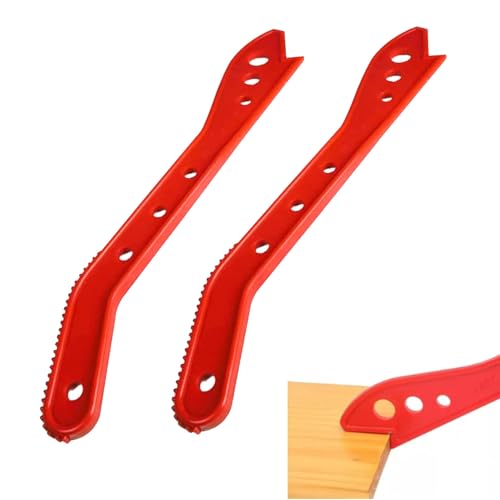
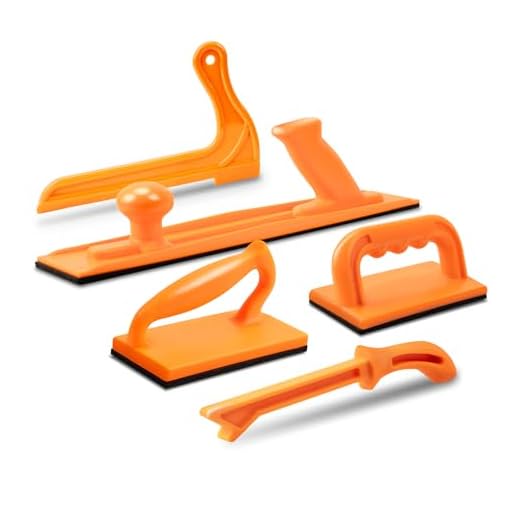
Once the jointer is properly adjusted, place the board on the infeed table, with the convex side facing down. Use a push stick or push pad to feed the board into the jointer, applying a steady and even pressure. Ensure that the board is firmly against the fence throughout the jointing process to ensure a straight and flat surface.
As the board passes over the cutterhead, the rotating knives will cut into the high spots of the board, gradually flattening and smoothing the surface. However, you should avoid taking off too much material in a single pass, as it may lead to tear-out or chatter marks.
Continue feeding the board through the jointer, making multiple passes with each pass taking off a small amount of material. Take your time and be patient, focusing on maintaining a steady pressure and a consistent feed rate.
After each pass, check the board for flatness by placing a straightedge or a level across the surface. If you notice any areas that are still high or low, adjust your technique and make additional passes as needed.
Step 3: Checking for Accuracy
When you are satisfied with the flatness of the board, you can check for accuracy by using a square or a straightedge to ensure that the edges are perpendicular to the surface. You can also measure the thickness of the board at various points to ensure consistency.
Remember to take proper safety precautions while using a jointer, such as wearing safety goggles and keeping your hands a safe distance away from the cutterhead. Always follow the manufacturer’s instructions and guidelines for safe operation.
| Materials Needed: | Tools Needed: |
|---|---|
| – Suitable board | – Jointer |
| – Straightedge or jointer jig | – Push stick or push pad |
| – Safety goggles | – Square or straightedge |
By following these steps and using the jointer correctly, you can easily flatten a board and prepare it for further woodworking projects.
FAQ
What is a jointer used for?
A jointer is a woodworking tool used to flatten and straighten the face and edges of a board.
Can I flatten a board without a jointer?
Yes, you can flatten a board without a jointer using other tools like a hand plane, a thickness planer, or sanding techniques. However, a jointer is specifically designed for this purpose and can make the task easier and more efficient.


Meet Harrison Clayton, a distinguished author and home remodeling enthusiast whose expertise in the realm of renovation is second to none. With a passion for transforming houses into inviting homes, Harrison's writing at https://hutsrenovations.co.uk/ brings a breath of fresh inspiration to the world of home improvement. Whether you're looking to revamp a small corner of your abode or embark on a complete home transformation, Harrison's articles provide the essential expertise and creative flair to turn your visions into reality. So, dive into the captivating world of home remodeling with Harrison Clayton and unlock the full potential of your living space with every word he writes.


