
How to face joint without a jointer

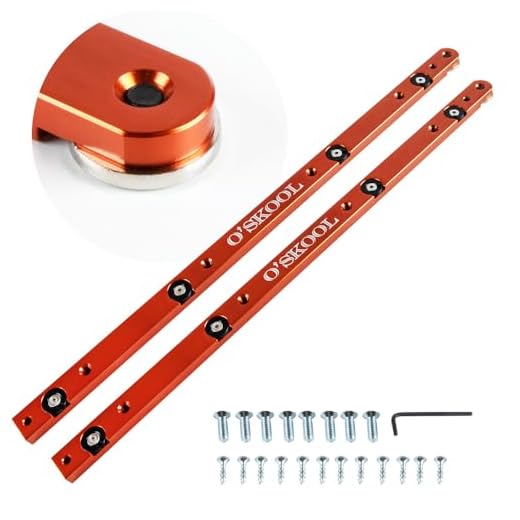


When it comes to woodworking, having a jointer is a great asset. However, not everyone has access to this tool or may not want to invest in one for various reasons. The good news is that there are alternative methods to face jointing without a jointer. In this article, we will explore some of these techniques to help you achieve flat and smooth edges on your boards.
1. Hand Planing:
If you enjoy traditional woodworking methods, hand planing is an excellent technique to face joint your boards without a jointer. You will need a good quality hand plane and some basic skills to achieve the desired result. It may take some practice to get the technique right, but once you master it, you will be able to create perfectly flat surfaces.
First, you need to identify the high spots on the board. Use a pencil to mark these areas. Then, position your hand plane at an angle and gently shave off the high spots. Keep repeating this process until the surface is flat and even. Remember to always work with the grain of the wood to avoid tear-out.
2. Router Sled:

If you have a router, you can easily make a router sled to face joint your boards. A router sled is essentially a flat platform that holds your workpiece in place while the router moves over it. It allows you to remove material evenly across the surface, resulting in a flat and smooth edge.
To make a router sled, you will need a thick and sturdy piece of plywood or MDF. Attach rails on either side of the sled to guide the router. Place your board on the sled and adjust the router bit height to the desired depth. Move the router back and forth over the board, removing a little material with each pass. Continue until the entire surface is flat and even.
While having a jointer can make the face jointing process quicker and easier, it is not the only solution. With a little patience and the right techniques, you can achieve flat and smooth edges on your boards without a jointer. Whether you prefer the traditional method of hand planing or opt for a router sled, these alternative methods will allow you to tackle face jointing with confidence.
How to Level a Joint without a Jointer
When working on woodworking projects, creating a level joint is essential for ensuring stability and a professional-looking finish. While a jointer is a popular tool for achieving this, not everyone has access to one. Fortunately, there are alternative methods you can use to level a joint without a jointer.
One method is to use a table saw with a sled. Start by setting up the sled so that it is perfectly square to the blade. Then, place the workpiece on the sled and run it through the blade, taking off a small amount of material each time. Continue this process until the joint is level.
Another option is to use a hand plane. Begin by marking the high spots on the joint. Then, use the hand plane to remove material from these areas until the joint is level. Remember to take your time and make small, controlled passes with the hand plane to avoid removing too much material.
If you don’t have a table saw or a hand plane, you can also use a router with a straight bit. Secure the workpiece to a flat surface and set the depth of the router bit so that it removes a small amount of material with each pass. Run the router along the joint, taking care to keep it flat against the surface. Repeat this process until the joint is level.
| Pros | Cons |
|---|---|
| Can level joints without a jointer | Requires other tools such as a table saw, hand plane, or router |
| Allows for precision and control | Requires practice to achieve optimal results |
| Can be a cost-effective solution | May not produce the same quality results as a jointer |
| Accessible to those without a jointer | May take longer to level the joint compared to using a jointer |
Overall, while a jointer is the ideal tool for leveling joints, it is possible to achieve similar results without one. Whether you choose to use a table saw with a sled, a hand plane, or a router, with practice and patience, you can successfully level your joints and achieve professional-looking results.
Tools for Jointing
When it comes to jointing without a jointer, there are several tools that can help you achieve a perfectly flat and smooth joint. Here are some of the most common tools used for jointing:
Hand Plane: A hand plane is a versatile tool that can be used for jointing edges. It has a sharp blade that shaves thin layers of wood to create a flat and straight edge.
Router: A router can be used with a straight bit or a flush-trim bit to joint edges. By using a straight edge as a guide, the router can remove material to create a flat joint.
Belt Sander: A belt sander with a coarse-grit sandpaper can be used to joint edges. By running the sander along the edge, it can remove material and create a flat surface.
Table Saw: A table saw can be used to joint edges by utilizing a sled or a jig. By feeding the wood into the saw while it is held against the sled, it can create a straight and flat edge.
Hand Tools: Other hand tools such as chisels, scrapers, and files can also be used for jointing. They can be used to remove material and smooth out any imperfections on the jointed edge.
It is important to note that while these tools can help you achieve a jointed edge without a jointer, they require skill and precision to get the desired result. Practice and patience are key when using these tools for jointing.
Step-by-Step Guide
When faced with the challenge of jointing without a jointer, there are several steps you can follow to achieve a clean and accurate result. Here is a step-by-step guide to help you through the process:
1. Choose your materials
Start by selecting the wood you want to joint. Ensure that the pieces are of good quality and free from any cracks or defects. It is also important to choose pieces that have straight edges for a successful jointing process.
2. Measure and mark
Take precise measurements of the wood pieces you want to joint. Use a measuring tape and mark the areas that need to be jointed. It is crucial to be accurate in your measurements to ensure a tight and seamless joint.
3. Clamp the wood
Secure the wood pieces in a vise or use clamps to hold them tightly together. This will prevent any movement during the jointing process and ensure a straight and even joint.
4. Use a hand plane
With the clamped wood in place, use a hand plane to carefully remove any unevenness from the edges. Apply gentle pressure and make smooth and controlled passes along the marked areas. This will help create a flat and smooth surface for the joint.
5. Check for smoothness
After using the hand plane, check the jointed edges for smoothness. Run your hand over the surface to feel for any unevenness or bumps. If necessary, use sandpaper to further smooth out the edges.
6. Test the joint
Once you are satisfied with the smoothness of the jointed edges, test the fit by connecting the pieces together. Make sure the joint is tight and seamless, with no gaps or misalignments. Adjust as needed to achieve a perfect fit.
7. Glue and clamp
If the joint fits properly, apply wood glue to the jointed edges and carefully connect the pieces. Use clamps to hold them together tightly while the glue dries. Follow the manufacturer’s instructions for the recommended drying time.
8. Finishing touches
After the glue has dried, remove the clamps and check the joint for any excess glue. Use a chisel or a scraper to remove any glue residue. Finish the jointed area with sandpaper to ensure a smooth and seamless finish.
Following these step-by-step instructions will allow you to successfully face joint without a jointer and achieve clean and accurate joints in your woodworking projects.
Alternatives to a Jointer
If you don’t have access to a jointer, there are several alternative methods you can use to achieve a similar result.
Hand Planes:
One of the most popular alternatives to a jointer is using hand planes. These tools allow you to manually flat and straighten the edges of your boards. To use a hand plane, you need to hold it at an angle and push it over the wood in consistent strokes. This method requires some practice and skill, but it can be an effective way to achieve a jointed edge.
Biscuit Joiner:
A biscuit joiner, also known as a plate joiner, is a power tool that cuts semi-circular slots in the edges of two pieces of wood. The slots are then filled with small biscuits, which align and strengthen the joint. While a biscuit joiner is primarily used for joining pieces of wood together, it can also be used to flatten the edges of your boards.
Router Table:
A router table is another alternative to a jointer. By using a straight bit and a fence, you can run your boards through the router table to flatten and square their edges. This method requires a bit more setup and precision, but it can produce accurate and consistent results.
Table Saw:
If you have a table saw, you can also use it to achieve a jointed edge. By using a straight line rip jig or a sled, you can guide your boards through the saw to flatten and straighten their edges. This method requires careful setup and attention to safety, but it can be an effective alternative to a jointer.
While these alternatives can help you achieve a jointed edge without a jointer, it’s important to note that they may not provide the same level of precision and accuracy as a dedicated jointer. However, with practice and patience, you can still achieve great results using these alternative methods.
Tips for a Perfect Joint
When it comes to woodworking, creating a perfect joint is essential for a strong and seamless final product. While a jointer is the ideal tool for achieving this, there are alternative methods that can be used if a jointer is not available. Here are some tips to help you achieve a perfect joint without a jointer:

1. Use a Table Saw
A table saw can be a great tool for creating straight and smooth joints. Use a sled or a guide to ensure accurate and precise cuts. Make sure to set the blade height and fence properly for the desired joint width and angle. Carefully feed the workpiece through the table saw, keeping it flat and against the fence. Repeat the process on both pieces that will be joined to ensure a perfect fit.
2. Hand Planing
Hand planing is another technique that can be used to achieve a perfect joint without a jointer. Begin by marking the joint area on both pieces and use a hand plane to carefully remove excess material. Take regular measurements to ensure a consistent joint width and angle. Use a straightedge or a square to check for flatness and accuracy. Continue planing until the joint surfaces are smooth and ready for assembly.
3. Routing
A router can also be used to create perfect joints. Use a straight router bit and a guide or template to ensure straight and accurate cuts. Set the depth of the router bit according to the desired joint width. Slowly and carefully move the router along the marked joint area, following the guide or template. Make multiple passes if needed to achieve the desired depth. Sand the joint surfaces afterwards to ensure smoothness.

Remember to always wear safety gear and take necessary precautions when working with power tools. Practice on scrap pieces of wood before attempting joints on your final project. With careful planning and execution, you can achieve a perfect joint without a jointer.
FAQ
What is a jointer and why is it important for woodworking?
A jointer is a woodworking tool used to create smooth, flat surfaces on boards. It is important because it allows for precise and accurate jointing, ensuring that pieces of wood fit together tightly and evenly.
What can I do if I don’t have a jointer?
If you don’t have a jointer, there are alternative methods you can use to face a joint. One option is to use a planer sled, which allows you to flatten and square the edges of your boards. Another option is to use a hand plane and a straightedge to manually joint the edges.
Can I achieve good results without a jointer?
Yes, it is possible to achieve good results without a jointer. While a jointer can make the job easier and more efficient, using alternative methods such as a planer sled or hand planes can still produce smooth and straight edges that will result in a tight joint.
What are some tips for using a planer sled?
When using a planer sled, it is important to ensure that the sled is flat and stable. Use shims if necessary to level the board and prevent rocking. Make multiple passes with the planer, removing a small amount of material with each pass to prevent tear-out. Always wear appropriate safety gear and operate the planer according to the manufacturer’s instructions.
Are there any limitations to using alternative methods for facing a joint?
While alternative methods can be effective, they do have some limitations. It may take more time and effort to achieve the desired results compared to using a jointer. Additionally, these methods may not be suitable for certain types of wood or large boards. It is important to assess the specific project and materials to determine the best approach.


Meet Harrison Clayton, a distinguished author and home remodeling enthusiast whose expertise in the realm of renovation is second to none. With a passion for transforming houses into inviting homes, Harrison's writing at https://hutsrenovations.co.uk/ brings a breath of fresh inspiration to the world of home improvement. Whether you're looking to revamp a small corner of your abode or embark on a complete home transformation, Harrison's articles provide the essential expertise and creative flair to turn your visions into reality. So, dive into the captivating world of home remodeling with Harrison Clayton and unlock the full potential of your living space with every word he writes.


