
How to remove tile adhesive from walls

Removing tile adhesive can be a tedious and challenging task, especially if it has been applied to the walls for a long time. Whether you are renovating your bathroom, kitchen, or any other tiled area, you may need to remove the old adhesive to create a smooth surface for new tiles. The key to successfully removing tile adhesive from walls is to use the right tools and techniques.
Before you start the removal process, it is important to assess the type of tile adhesive used on your walls. There are various types of adhesive, including cement-based, epoxy, and mastic. Each type requires a slightly different approach for removal. Additionally, you should consider the condition of the walls and the type of tile attached to them. This will help you determine the best method and avoid potential damage.
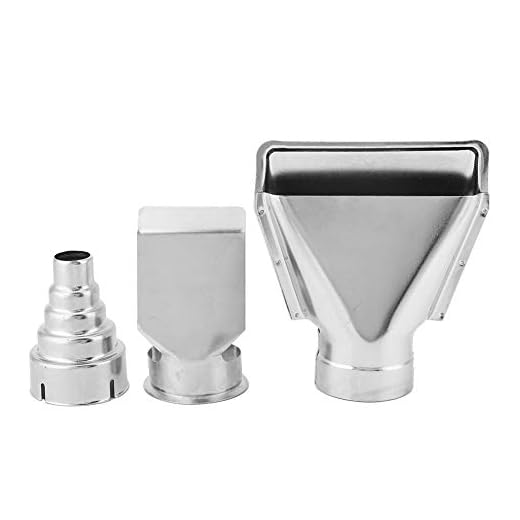
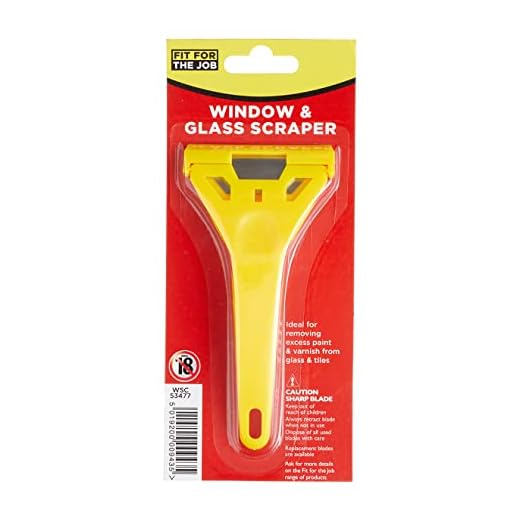
One effective method to remove tile adhesive from walls is to use a steamer or heat gun. These tools apply heat to soften the adhesive, making it easier to scrape off with a putty knife or scraper. It is crucial to follow the manufacturer’s instructions for the steamer or heat gun to ensure safety and effectiveness. This method is particularly suitable for adhesive that is hard or stubborn to remove.

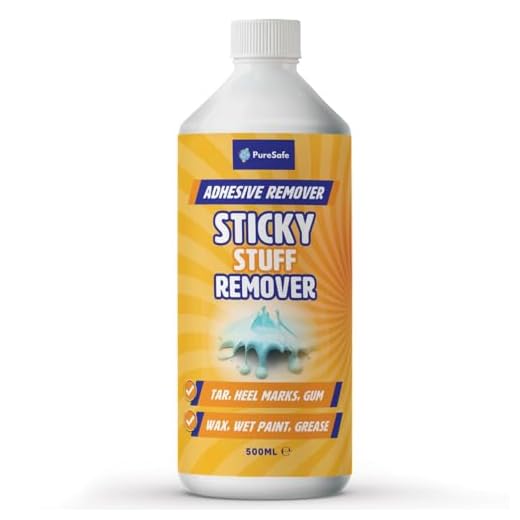
Another option is to use a chemical adhesive remover. These products are designed to dissolve and break down the adhesive, making it easier to remove. However, it is essential to wear protective gloves and work in a well-ventilated area when using chemical removers. Be sure to follow the instructions provided by the manufacturer, and test the remover on a small inconspicuous area first to ensure compatibility with your walls.
Remember, removing tile adhesive from walls requires patience and caution. Take the time to prepare properly and gather the necessary tools before beginning the process. It’s also a good idea to wear protective eyewear and a mask to prevent any debris from getting into your eyes or lungs. With the right approach and techniques, you can successfully remove tile adhesive and achieve a smooth, clean surface for your next tiling project.
Effective Ways to Remove Tile Adhesive from Walls
When removing old tiles from your walls, it is common to have some leftover adhesive residue that needs to be removed. This can be a challenging task, but there are several effective methods you can try to get rid of the stubborn tile adhesive. Here are some techniques and tools you can use:
| Method | Materials Needed | Instructions |
|---|---|---|
| Heat and Scrape | Heat gun or hairdryer Scraper or putty knife |
|
| Chemical Adhesive Remover | Adhesive remover solution Scrub brush Protective gloves and goggles |
|
| Vinegar | Vinegar Scrub brush Hot water |
|
Before starting any adhesive removal method, it is important to test it on a small, inconspicuous area of the wall to ensure it does not damage the surface. Additionally, be cautious and wear protective gear, including gloves and goggles, to prevent any potential harm.
By using these effective methods and techniques, you can safely and efficiently remove tile adhesive from your walls, leaving them clean and ready for a fresh new look!
Method 1: Using Heat and Scrapers
One effective way to remove tile adhesive from walls is to use heat and scrapers. This method involves the use of a heat gun or a hairdryer to soften the adhesive, making it easier to scrape off the wall.
Step 1: Prepare the area
Start by preparing the area where the adhesive needs to be removed. Cover the floor and nearby furniture with a drop cloth or plastic sheeting to protect them from any damage.
Step 2: Apply heat to the adhesive
Plug in the heat gun or hairdryer and set it to a medium or high heat setting. Hold it a few inches away from the adhesive and direct the heat towards it. Move the heat source in a sweeping motion to evenly warm up the adhesive.
Step 3: Scrape off the adhesive
After heating the adhesive for a few minutes, use a scraper or a putty knife to gently scrape it off the wall. The softened adhesive should come off easily, but be careful not to damage the wall surface. If the adhesive is stubborn and doesn’t come off easily, reapply heat and try again.
Continue to heat and scrape off the adhesive in small sections until the entire area is clean. You may need to use a cleaning solution or adhesive remover to get rid of any residual adhesive.
Remember to wear protective gloves and safety glasses while using a heat gun or hairdryer. The heat can cause the adhesive to become hot and could potentially burn your skin. Always follow the manufacturer’s instructions and safety precautions when using heat tools.
Method 2: Dissolving the Adhesive with Solvents
If scraping the adhesive off the walls is not effective, you can try using solvents to dissolve the adhesive instead. Solvents can be a powerful tool for breaking down stubborn adhesive residues.
Step 1: Prepare the area
Before using solvents, make sure the room is well-ventilated by opening windows or using fans. Also, protect yourself by wearing gloves and safety goggles.
Step 2: Choose the solvent
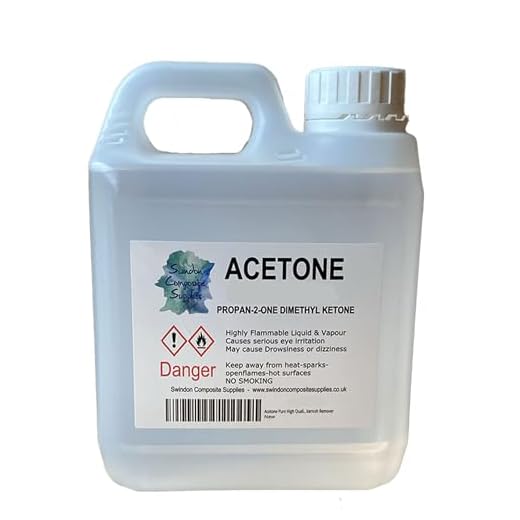
There are several solvents that can be effective in dissolving tile adhesive, such as acetone, mineral spirits, or adhesive remover. Choose a solvent that is appropriate for the type of adhesive you are working with, and read the manufacturer’s instructions for proper use.
Step 3: Test the solvent
Before applying the solvent to a large area, test it on a small, inconspicuous area of the wall to make sure it doesn’t damage the paint or the wall surface. Wait a few minutes to see if any adverse reaction occurs.
Step 4: Apply the solvent
Dampen a clean cloth or sponge with the solvent and gently rub it onto the adhesive residue. Allow the solvent to penetrate the adhesive for a few minutes, but be careful not to let it dry on the wall.
Step 5: Remove the adhesive
Using a scraper or a putty knife, gently scrape away the adhesive residue. For stubborn areas, you can reapply the solvent and gently scrub the residue with a brush or a sponge. Repeat this step until all the adhesive is removed.
Step 6: Clean the wall
After removing the adhesive, clean the walls with a mixture of warm water and mild soap. Use a sponge or a cloth to wipe away any leftover residue or debris.
Note: Always follow safety precautions and read the manufacturer’s instructions when using solvents. Use solvents in a well-ventilated area and keep them away from open flames or sparks.
Method 3: Mechanical Removal with Power Tools
If the tile adhesive is particularly stubborn and cannot be removed with chemical or manual methods, the use of power tools may be necessary. Mechanical removal with power tools can help to quickly and efficiently remove the adhesive from walls, though caution should be taken to avoid damaging the underlying surface.

Materials Needed:
- Power drill with a paddle attachment
- Scraping or chisel attachment for power drill
- Safety goggles
- Work gloves
- Dust mask
- Drop cloth or plastic sheeting
Steps to Follow:
- Ensure that you are wearing the necessary safety gear, including goggles, work gloves, and a dust mask.
- Use a drop cloth or plastic sheeting to protect the surrounding area from debris.
- Attach a paddle attachment to your power drill, ensuring it is securely fastened.
- Start the power drill and hold it at an angle to the wall, positioning the paddle attachment against the tile adhesive.
- Gently and slowly move the paddle attachment along the surface of the adhesive, letting the power of the tool do the work.
- If necessary, switch to a scraping or chisel attachment for more stubborn areas of adhesive.
- Continue working across the surface of the adhesive until it has been thoroughly removed.
- Once the adhesive has been removed, use a cloth or damp sponge to clean the wall of any remaining residue.
Note:
Always follow the manufacturer’s instructions for properly attaching and using power tool attachments.
Caution: Power tools can be dangerous if not used properly. Always refer to the tool’s safety guidelines and take necessary precautions. If you are unsure about using power tools, it may be best to consult a professional.


Meet Harrison Clayton, a distinguished author and home remodeling enthusiast whose expertise in the realm of renovation is second to none. With a passion for transforming houses into inviting homes, Harrison's writing at https://hutsrenovations.co.uk/ brings a breath of fresh inspiration to the world of home improvement. Whether you're looking to revamp a small corner of your abode or embark on a complete home transformation, Harrison's articles provide the essential expertise and creative flair to turn your visions into reality. So, dive into the captivating world of home remodeling with Harrison Clayton and unlock the full potential of your living space with every word he writes.