Best drill setting for tiles


When it comes to drilling into tiles, using the right drill setting is crucial. Tiles can be delicate and prone to cracking or chipping if not handled properly. Therefore, choosing the correct drill setting is essential to ensure a clean and successful drilling experience.
One of the most important factors to consider when drilling into tiles is the type of tile you are working with. Different tiles, such as ceramic, porcelain, or glass, require different drill settings to avoid damage. Additionally, the thickness of the tile should also be taken into account when selecting the drill setting.

For most types of tiles, including ceramic and porcelain, it is recommended to start with a low drill speed and gradually increase it as needed. This helps to reduce the risk of cracking or shattering the tile due to excessive force. Using a sharp drill bit specifically designed for tile drilling can also help to minimize any potential damage.
Understanding the Importance of Drill Settings for Tiles
When it comes to drilling into tiles, it’s crucial to understand the importance of choosing the right drill setting. The drill setting determines the speed and power at which the drill operates and can greatly impact the success of your tile installation project. Using the wrong drill setting can lead to cracked or damaged tiles, uneven holes, and a frustrating experience overall.
Choosing the correct drill setting is essential for achieving clean and precise holes in tiles. Tiles are typically made of materials like ceramic, porcelain, or glass, which can be brittle and prone to cracking. Therefore, it’s important to select a drill setting that offers the right combination of speed and power to avoid damaging the tiles.
- Low speed with high torque: When drilling into tiles, it’s generally recommended to use a low drill speed with high torque. This setting allows for greater control and reduces the risk of the drill bit slipping or causing damage to the tile surface. The low speed helps prevent excessive heat buildup, which can also lead to cracks in the tiles.
- Proper drill bit selection: In addition to choosing the right drill setting, selecting the correct drill bit for your tile material is equally important. Different types of tiles require specific drill bits, such as diamond-tipped bits for glass tiles or carbide-tipped bits for tougher materials like porcelain. Using the wrong drill bit can result in ineffective drilling and potential damage to the tiles.
- Consider using a guide: To ensure precise drilling and minimize the chances of slipping or misalignment, using a drill guide or template can be helpful. These tools provide a guide for the drill bit, ensuring that the holes are drilled in the right location and at the correct angle.
By understanding the importance of drill settings for tiles and following the appropriate guidelines, you can ensure a successful and problem-free drilling experience. Taking the time to choose the right drill setting, select the proper drill bit, and utilize additional tools like guides will help you achieve professional-looking results in your tile installation projects.
Why drill settings matter for tile drilling
When it comes to drilling holes in tiles, using the right drill settings is essential. The type and hardness of the tile, as well as the size of the hole needed, will determine the optimal drill setting. Using the wrong settings can lead to damaged tiles, wasted time, and even injuries. Therefore, it is crucial to understand why drill settings matter for tile drilling.
Firstly, the speed setting of the drill can make a significant difference in the drilling process. Tiles are fragile and can crack or break easily, especially if too much pressure is applied or if the drill speed is too high. By setting the drill speed appropriately, you can ensure a smoother and safer drilling experience. It is recommended to start at a low speed and gradually increase it as needed, based on the type of tile you are drilling into.
Moreover, the drill bit used for tile drilling should also be taken into consideration. Different drill bits are designed for specific materials, including tiles. Using the wrong drill bit can result in inefficient drilling, ineffective hole creation, and potential damage to the tiles. It is crucial to choose a high-quality diamond-tipped drill bit specifically designed for tile drilling to achieve the best results.
Additionally, the drilling technique and pressure applied play a role in tile drilling. It is important to use a steady and consistent pressure while drilling to prevent slippage and to maintain control. The drill should be guided at a 90-degree angle to the tile surface to ensure precise and accurate drilling. By using the correct technique and applying the right amount of pressure, you can avoid unwanted cracks or chips in the tiles.
In conclusion, drill settings matter greatly when drilling into tiles. By selecting the appropriate drill speed, using the right drill bit, and applying the correct pressure and technique, you can achieve clean and accurate holes without damaging the tiles. Don’t underestimate the importance of drill settings for tile drilling, as they can make a significant difference in the outcome of your project.
Factors to Consider when Choosing Drill Settings for Tiles
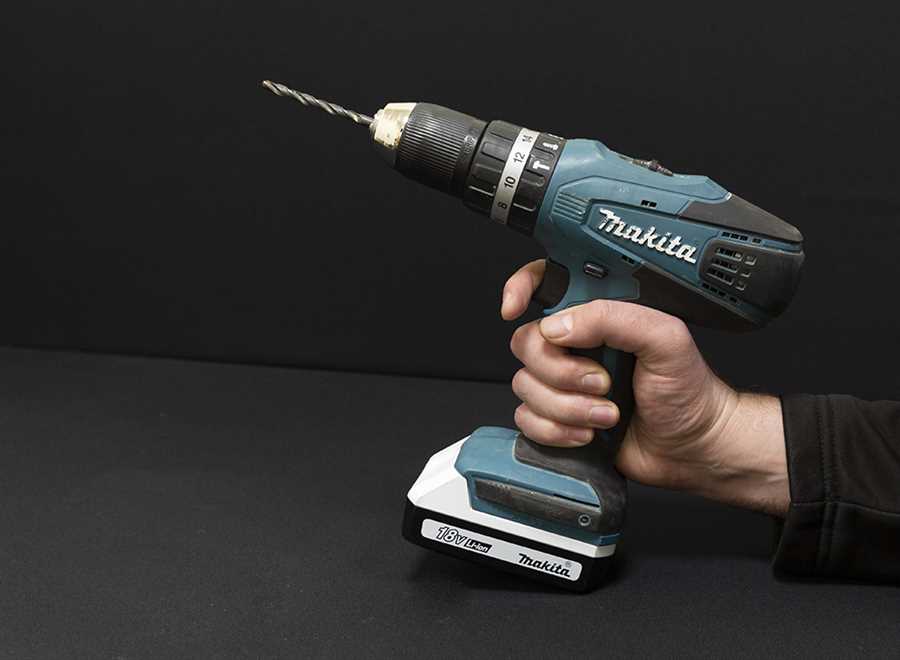
When drilling into tiles, it is important to choose the right drill settings to ensure a clean and successful job. There are several factors to consider when selecting the appropriate settings for drilling into tiles:
- Tile Material: Different types of tiles require different drill settings. Porcelain tiles, for example, are harder and more brittle than ceramic tiles, so a slower drill speed with less pressure may be recommended.
- Drill Bit Size: The size of the drill bit you are using will also determine the appropriate settings. Larger drill bits may require a slower speed and more pressure, while smaller drill bits may require a faster speed and less pressure to prevent cracking or chipping.
- Depth of the Hole: The depth of the hole you need to drill into the tile will also affect the drill settings. Deeper holes may require a slower speed and more pressure, while shallower holes may require a faster speed and less pressure.
- Water or Lubrication: Using water or a lubricant while drilling into tiles can help keep the drill bit cool and prolong its lifespan. This can be especially important when drilling into harder tiles or when making multiple holes.
- Personal Experience and Comfort Level: Lastly, your personal experience and comfort level with drilling into tiles should also be taken into consideration. If you are a beginner, it may be best to start with lower drill settings and gradually increase them as you gain more confidence and experience.
By considering these factors and adjusting your drill settings accordingly, you can ensure a successful and clean drilling job on tiles without damaging them.
Type of tile material
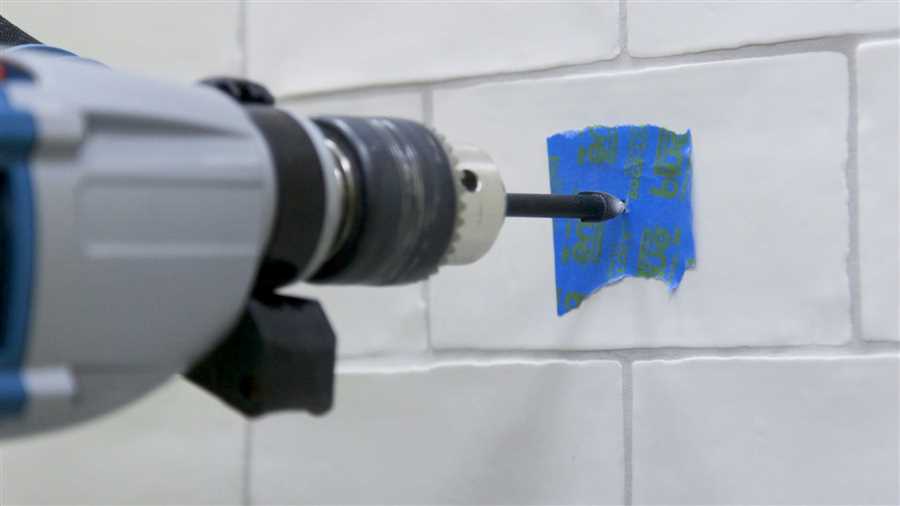
When it comes to drilling into tiles, it is important to consider the type of tile material you are working with. Different tile materials have different levels of hardness and require specific drill settings to achieve the best results.
Ceramic tiles: Ceramic tiles are one of the most common types of tiles used in homes. They are generally easy to drill into as they are soft and not very dense. When drilling into ceramic tiles, it is important to use a high-speed drill with a carbide-tipped drill bit. This type of drill bit is designed to create clean holes without causing any damage to the tile.
Porcelain tiles: Porcelain tiles are known for their durability and strength. They are much harder than ceramic tiles, which makes drilling into them more challenging. When drilling into porcelain tiles, it is recommended to use a diamond-tipped drill bit. Diamond-tipped drill bits are specifically designed for hard materials like porcelain and ensure clean and precise holes.
Natural stone tiles: Natural stone tiles, such as granite, marble, or travertine, are extremely hard and dense. Drilling into natural stone tiles requires specialized drill bits that are specifically designed for this purpose. Diamond-tipped or carbide-tipped drill bits are commonly used for drilling into natural stone tiles, as they can withstand the high level of hardness and create accurate holes.
Size of the drill bit
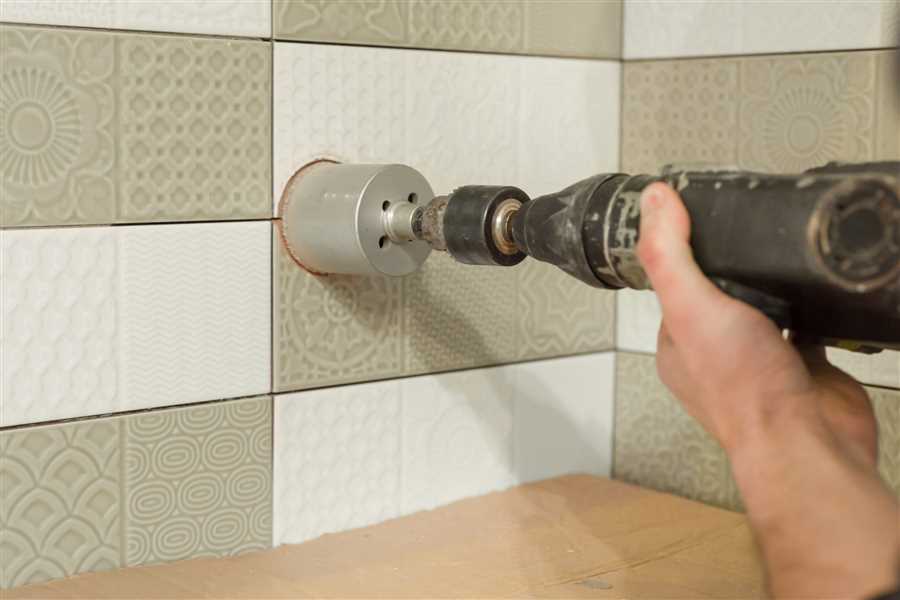

When drilling into tiles, it is important to consider the size of the drill bit you use. The size of the drill bit will determine the size of the hole made in the tile, which can affect the overall appearance and functionality of the installation.
For small holes, it is recommended to use a smaller drill bit size. This will create a hole that is just large enough to accommodate things like screws or nails. On the other hand, for larger holes or when drilling into thicker tiles, a larger drill bit may be required to ensure a clean and precise hole. It is important to choose the appropriate size drill bit for the specific task at hand to achieve the desired result.
- A smaller drill bit size is suitable for small fixtures like towel racks or soap dispensers.
- A larger drill bit size may be needed for installing larger fixtures such as showerheads or handrails.
- Thicker tiles, such as porcelain or ceramic, may require a larger drill bit to prevent cracking or chipping during the drilling process.
Remember to always check the manufacturer’s instructions or consult with a professional for guidance on the appropriate drill bit size for your specific tile material and installation task. Using the correct size drill bit will help ensure a successful drilling job and a secure installation.
5 Best drill setting for tiles
TOOLANT 5-Piece Drill Bit Set for Masonry
Features
| Part Number | TA01042001 |
| Size | 4-10mm (5pcs) |
Flintronic Diamond Hole Saw for Glass
Features
| Part Number | F4EU-3121943 |
| Color | Ø35mm |
| Size | Ø35mm |
Powerful 21V Cordless Drill Driver
Features
| Color | Blue |
| Size | 21v Only Body |
AGGKY 10-Piece Porcelain Tile Drill Bits
Features
| Part Number | AYB05 |
| Color | T |
| Size | 6 |
SDS Plus Hammer Drill Bits - Pack of 2
Features
| Part Number | SDSX71602 |
| Color | Silver |
| Size | 7mm x 160mm (2 PACK) |
ViaGasaFamido High Torsion Hole Saw
Features
| Part Number | ViaGasaFamido9isfvgdm4h |
| Model | ViaGasaFamido9isfvgdm4h |

fischer Universal Drill Bit for Multiple Materials
Features
| Part Number | 561643 |
| Model | 561643 |
| Color | Red / Silver |
Question and answer:
What is the size of the drill bit?
The size of a drill bit can vary depending on the specific application. Common sizes for drill bits range from 1/16 inch to 1 inch or larger.
How do I determine the size of a drill bit?
The size of a drill bit is typically indicated by its diameter, which can be measured using a ruler or a drill bit gauge. Alternatively, the size may be labelled on the drill bit itself.
What is the standard size for a drill bit?
The standard size for a drill bit can vary depending on the country and industry. In the UK, drill bits are commonly available in metric sizes, such as 1mm, 2mm, 3mm, and so on. In the US, drill bits are often measured in inches, such as 1/8 inch, 1/4 inch, 3/8 inch, and so on.
Can I use a drill bit of any size for any type of material?
No, the size of the drill bit should be chosen based on the type of material you are drilling. Different materials require different drill bit sizes to ensure proper drilling and prevent damage. It is important to consult the manufacturer’s guidelines or a drilling reference chart to determine the correct drill bit size for a specific material.
Conclusion
In conclusion, the size of the drill bit is an important factor to consider when undertaking any drilling project. The size of the bit will determine the size of the hole that can be drilled and will also impact the efficiency and accuracy of the drilling process. It is essential to choose the right size of the drill bit based on the specific requirements of the project, taking into account factors such as the material being drilled, the desired hole size, and the power of the drill. By selecting the appropriate size of the drill bit, it is possible to achieve the desired results and complete the drilling operation successfully.

Best drilling depth


Meet Harrison Clayton, a distinguished author and home remodeling enthusiast whose expertise in the realm of renovation is second to none. With a passion for transforming houses into inviting homes, Harrison's writing at https://hutsrenovations.co.uk/ brings a breath of fresh inspiration to the world of home improvement. Whether you're looking to revamp a small corner of your abode or embark on a complete home transformation, Harrison's articles provide the essential expertise and creative flair to turn your visions into reality. So, dive into the captivating world of home remodeling with Harrison Clayton and unlock the full potential of your living space with every word he writes.