
How to flatten a board without a jointer


When working with wood, having a flat and even surface is essential for ensuring that your projects turn out well. While using a jointer is the traditional way to flatten a board, not everyone has access to this specialized tool. But fear not! There are alternative methods you can use to achieve a flat board without a jointer.
Hand planes can be an effective tool for flattening boards. With a sharp hand plane, you can gradually remove material from the high spots on the board, moving in the direction of the grain. By carefully adjusting the depth of the plane’s blade, you can gradually flatten the board until it is smooth and even.
Router sled is another option for flattening boards. It involves attaching the board to a sled and then running a router over the surface of the board. The router bit shaves off the high spots, while the sled keeps the board level. This method requires some setup and careful attention to detail, but it can be an effective way to achieve a flat board without a jointer.
Sanding is a more time-consuming method, but it can be useful for smaller projects or when you only need to remove a small amount of material. Using a power sander or sandpaper, you can gradually sand down the high spots on the board until it is flat. This method requires patience and attention to detail, but it can be effective with proper technique.
In conclusion, while a jointer is the preferred tool for flattening boards, there are alternative methods that can be used if you don’t have access to one. Whether you choose to use a hand plane, a router sled, or sanding, the key is to be patient and take your time. With practice, you can achieve a flat and even board without a jointer.

Tools and materials for flattening a board without a jointer:
When it comes to flattening a board without a jointer, there are several tools and materials that can help you achieve a smooth and level surface.
1. Hand planes:
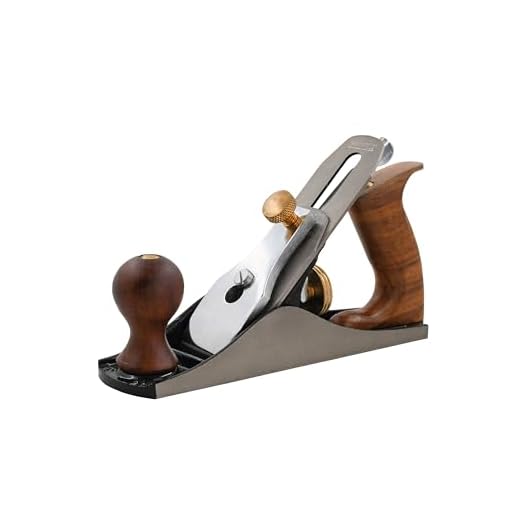
A hand plane is a versatile tool that can be used to remove material from the surface of a board. You can use a #4 smoothing plane for initial flattening and a #7 jointer plane for final smoothing. Make sure the blades are sharp and properly set for the best results.
2. Router sled:
A router sled is a homemade jig that can be used with a handheld router to flatten large boards. It consists of a frame with a flat surface and rails that guide the router along the board. This method can be time-consuming, but it is effective for boards that are too wide for a jointer.
3. Belt sander:
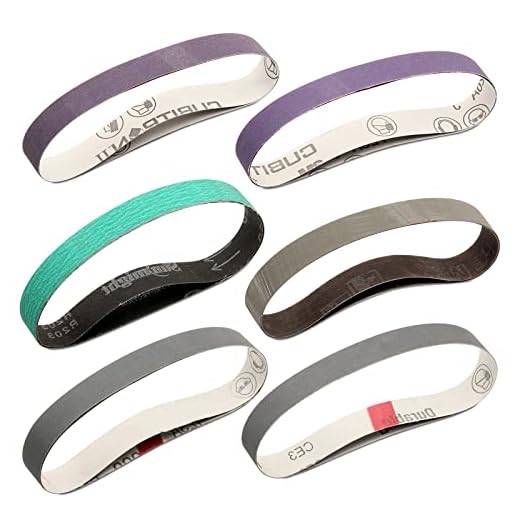
A belt sander can be used to remove material quickly and efficiently. Start with a coarse grit belt and gradually work your way up to finer grits for a smoother finish. Be careful not to apply too much pressure, as this can cause uneven sanding.
4. Handheld power planer:
A handheld power planer can be used to remove material from the surface of a board. It is best suited for removing large amounts of material quickly, but it can be difficult to achieve a completely flat surface with this tool alone. Use it in combination with other methods for the best results.
| Tool/Material | Description |
|---|---|
| Hand planes | Versatile tool for removing material from the surface of a board. |
| Router sled | Homemade jig used with a handheld router to flatten large boards. |
| Belt sander | Power tool for quickly and efficiently removing material. |
| Handheld power planer | Power tool for removing large amounts of material from the surface of a board. |
These are just a few of the tools and materials that can be used to flatten a board without a jointer. Depending on the size and condition of the board, you can choose the method that best suits your needs. Remember to take your time, work carefully, and always prioritize safety.
Hand Plane
A hand plane is a woodworking tool used for shaping and smoothing wood surfaces. It consists of a sharp cutting blade, or iron, mounted in a wooden or metal body. The blade protrudes from the bottom of the plane and can be adjusted to control the depth of cut.
Hand planes are commonly used in woodworking to flatten and smooth boards. When a board is not perfectly flat or has rough surfaces, a hand plane can be used to remove the high spots and create a smooth, even surface.
Types of Hand Planes
There are several types of hand planes that can be used to flatten a board without a jointer:
- Jack plane: This is the most versatile type of hand plane. It is used for rough work, such as removing large amounts of material or leveling uneven surfaces.
- Smoothing plane: This plane is used for final smoothing and finishing. It has a shorter sole and a finer blade, which allows for more precise control.
- Block plane: This small plane is used for trimming end grain, chamfering edges, and other small-scale tasks. It is often used in combination with other hand planes.
How to Use a Hand Plane
- Inspect the board: Before using a hand plane, inspect the board for any nails, screws, or other metal objects that may damage the blade.
- Adjust the blade: Set the blade of the hand plane to the desired depth of cut. It is recommended to start with a shallow setting and gradually increase the depth as needed.
- Position the plane: Hold the plane with both hands, placing one hand on the front knob and the other on the rear handle. Position the plane so that the blade rests on the high spots of the board.
- Plane the board: Push the hand plane forward, applying even pressure. As you reach the end of the board, lift the plane and return to the starting position. Repeat this process until the board is flat and smooth.
- Check the surface: After planing the board, check the surface with a straightedge or a square to ensure it is flat and level. If necessary, repeat the planing process to remove any remaining high spots.
Using a hand plane requires practice and skill to achieve the desired results. It is important to maintain a sharp blade and make small, controlled adjustments to avoid removing too much material. With patience and practice, a hand plane can be a valuable tool for flattening boards without a jointer.
Router sled
Another method for flattening a board without a jointer is by using a router sled. This technique involves using a router attached to a sled, which glides along the surface of the board to remove material and create a flat and level surface.
To create a router sled, start by attaching two parallel rails to a flat and sturdy base. These rails should be long enough to accommodate the length of the board you are flattening. You can use 2×4 or 2×6 boards for this purpose.
Next, attach a crossbeam at one end of the rails. This crossbeam should be wide enough to support the router. Make sure it is securely attached to the rails to prevent any movement during operation.
Once the sled is assembled, place the board you want to flatten on top of the rails. Adjust the height of the router bit so that it just touches the surface of the board. This will allow you to remove material evenly without causing any gouges or dips.
Before starting to rout, make sure to secure the board to the sled using clamps or screws. This will prevent any movement during the flattening process.
- Start the router and slowly move it along the rails, removing a small amount of material with each pass. It’s important to move the router in a slow and steady motion to ensure an even cut.
- Work your way across the board, making multiple passes until you achieve a flat and level surface.
It’s important to note that using a router sled can be time-consuming and requires some skill and practice to achieve the desired result. Additionally, it may not be suitable for larger boards or highly curved surfaces.
After flattening the board with the router sled, sand the surface to remove any tool marks and ensure a smooth finish. You can then proceed with further woodworking processes, such as joining or finishing the board.
Belt sander
A belt sander is a power tool commonly used for sanding, shaping, and flattening wood surfaces. It consists of a motor-driven abrasive belt that rotates around two drums. The belt can be made of different grits, allowing for different levels of sanding aggressiveness.
Using a belt sander to flatten a board
To flatten a board without a jointer, a belt sander can be a useful tool. Here are the steps to follow:
- Secure the board: Start by securing the board firmly to a workbench or a sturdy surface using clamps or a vice. This will prevent it from moving during the sanding process.
- Select the right grit: Choose the appropriate grit belt for your project. If the board has a rough surface, start with a coarse grit belt and gradually switch to finer grits.
- Sanding technique: Hold the belt sander firmly with both hands and turn it on. Start sanding the board by moving the sander in smooth, even strokes along the length of the board. Be sure to keep the sander moving at a consistent speed to avoid creating uneven spots.
- Flatten the high spots: Pay close attention to any high spots or uneven areas on the board. Use the belt sander to gradually reduce the surface until it becomes level. Check the board frequently with a straight edge or level to ensure progress.
- Finish sanding: Once the board is mostly flat, switch to a finer grit belt to achieve a smoother finish. Repeat the sanding process with the finer grit until you are satisfied with the result.
- Clean up: After sanding, use a vacuum or a brush to remove the sawdust from the board. Inspect the surface for any remaining imperfections and sand as needed.
Overall, a belt sander can be an effective tool for flattening a board without a jointer. However, it requires care, patience, and attention to detail to achieve the desired flatness. Always follow safety guidelines, wear appropriate protective gear, and practice proper sanding techniques.
Scrub Plane
A scrub plane is a type of hand plane that is specifically designed to quickly remove large amounts of material from a board. It is commonly used for initial flattening and dimensioning of rough or twisted boards.
The scrub plane has a curved cutting edge, called a camber, which allows it to take deep, aggressive cuts. The curved blade helps to prevent the plane from digging into the wood and leaving tracks or ridges.
Using a scrub plane involves pushing it across the grain of the wood, which means that it can remove material quickly and effectively. However, because of its aggressive cutting action, it can also leave a rough surface finish. Therefore, it is often followed up with a smoother plane to achieve a finer finish.
When using a scrub plane, it is important to adjust the blade depth so that it takes a thin shaving with each pass. This not only helps to control the cutting action and prevent tearout, but it also reduces the amount of effort required to push the plane.
Overall, a scrub plane is a valuable tool for flattening a board without a jointer. It allows for efficient material removal and can help to quickly bring a rough board into a usable state.
FAQ
Is it possible to flatten a board without using a jointer?
Yes, it is possible to flatten a board without using a jointer. There are alternative methods that can be used.
What are some alternative methods for flattening a board without a jointer?
Some alternative methods for flattening a board without a jointer include using a hand plane, a router sled, or sanding the board manually.


Meet Harrison Clayton, a distinguished author and home remodeling enthusiast whose expertise in the realm of renovation is second to none. With a passion for transforming houses into inviting homes, Harrison's writing at https://hutsrenovations.co.uk/ brings a breath of fresh inspiration to the world of home improvement. Whether you're looking to revamp a small corner of your abode or embark on a complete home transformation, Harrison's articles provide the essential expertise and creative flair to turn your visions into reality. So, dive into the captivating world of home remodeling with Harrison Clayton and unlock the full potential of your living space with every word he writes.


