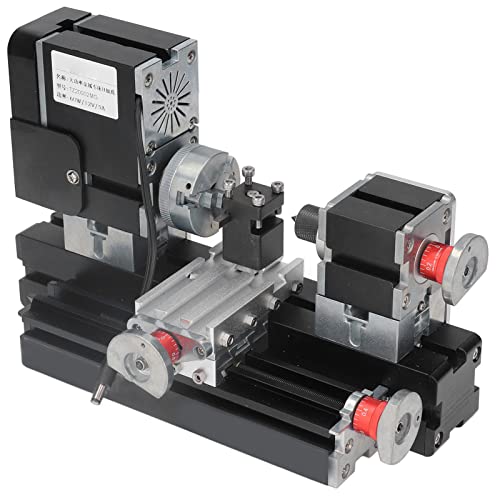
Best wood to turn on a lathe
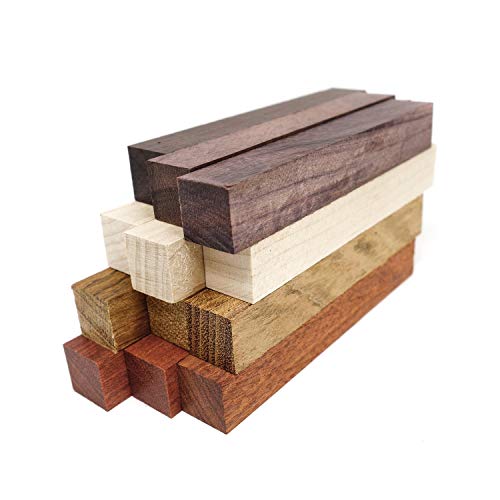


When it comes to woodturning on a lathe, the choice of wood can greatly affect the outcome of your project. The type of wood you choose will impact the ease of turning, the appearance of the finished piece, and its durability. Therefore, it is important to select the right wood that suits your needs and preferences.
One of the best woods for turning on a lathe is maple. This hardwood is known for its strength and stability, which makes it ideal for creating intricate and detailed projects. Maple has a fine and even texture, and its light color allows for beautiful stain and finish options. Additionally, maple is relatively easy to work with and resists warping and shrinking.
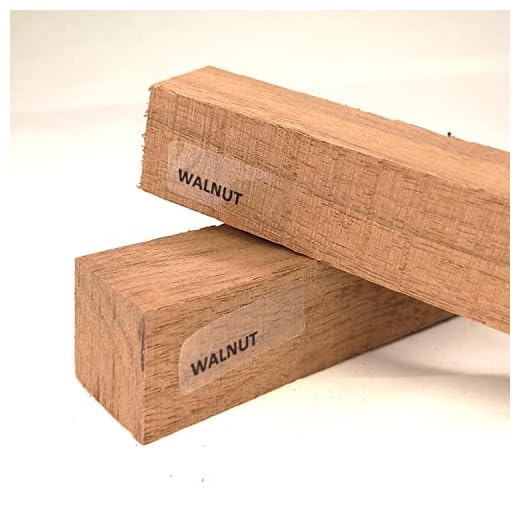
Another popular choice for woodturning is walnut. Walnut is a dark hardwood with a rich grain pattern that adds elegance to any project. It is a dense, durable wood that turns easily and produces smooth results. The natural oils in walnut also make it resistant to decay and insect damage, ensuring that your turned piece will last for years to come.
Advantages of turning wood on a lathe
Turning wood on a lathe offers several advantages that make it a popular choice for woodworkers and craftsmen. Whether you’re a beginner or an experienced turner, the lathe provides a versatile tool for creating a wide range of wooden objects.
1. Precision: One of the key advantages of turning wood on a lathe is the ability to achieve precise results. The lathe allows you to shape and contour the wood with accuracy, resulting in smooth and symmetrical pieces. Whether you’re turning a bowl, a vase, or a spindle, the lathe provides the control needed to create precise shapes and dimensions.
2. Efficiency: Another advantage of turning wood on a lathe is the efficiency it offers. With a lathe, you can quickly remove material and shape the wood, saving time and effort compared to other woodworking techniques. The rotating motion of the lathe combined with sharp cutting tools allows for smooth and efficient material removal.
3. Creativity: Turning wood on a lathe provides endless opportunities for creativity. The lathe allows you to experiment with different shapes, textures, and designs, giving you the freedom to create unique and personalized pieces. Whether you’re interested in traditional woodworking or modern artistic designs, the lathe offers a versatile platform for expressing your creativity.
4. Versatility: The lathe is a versatile tool that can be used to turn a variety of wood species and sizes. From softwoods to hardwoods, the lathe can handle a wide range of materials, allowing you to explore different types of wood and their unique characteristics. Additionally, the lathe can accommodate small or large pieces, giving you the flexibility to work on projects of various scales.
Overall, turning wood on a lathe provides numerous advantages that make it a valuable tool for woodworkers. Whether you’re looking for precision, efficiency, creativity, or versatility, the lathe offers it all. With the right skills and techniques, you can create beautiful and functional wooden objects that showcase your craftsmanship and enhance your woodworking skills.
Factors to consider when choosing wood for a lathe
When selecting wood for a lathe, several factors should be taken into consideration to ensure a successful and enjoyable turning experience. From the type of wood to its moisture content, these factors play a crucial role in determining the quality of the finished product.
1. Wood hardness:
The hardness of the wood affects how easily it can be worked with on a lathe. Softer woods, like pine or cedar, are easier to turn but can be more prone to splintering and damage. Hardwoods such as oak or walnut require more effort to shape but result in a durable and polished end product.
2. Grain pattern:
The grain pattern of the wood contributes to the overall aesthetic appeal of the turned piece. Straight grains are generally easier to work with and result in a more uniform look. Woods with interesting grain patterns, such as burls or spalted wood, can add depth and character to the final product.
3. Moisture content:
Wood with a high moisture content can be more challenging to turn as it is prone to warping and cracking during the drying process. It is recommended to choose wood with a moisture content between 8-12% for optimal turning results. Properly seasoned or kiln-dried wood is preferable to freshly cut or green wood.
4. Stability:
The stability of the wood is an important factor to consider, especially for larger or more intricate turnings. Some woods, like maple or cherry, are known for their stability and are less likely to warp or distort over time. It is important to select a stable wood to ensure the longevity of the turned piece.
5. Toxicity:
Some woods, particularly exotic species, may contain toxins that can be harmful when inhaled or handled. It is crucial to research the specific wood species being considered and take necessary precautions, such as wearing a mask or gloves, to protect oneself during the turning process.
- Consider the hardness of the wood to determine how easily it can be worked with on a lathe.
- Take into account the grain pattern of the wood to achieve the desired aesthetic appeal.
- Check the moisture content of the wood to ensure it is suitable for turning and drying without warping or cracking.
- Choose a stable wood to ensure the longevity of the turned piece, especially for larger or more intricate turnings.
- Be aware of the toxicity of certain wood species to take necessary safety precautions during the turning process.
Softwoods for turning on a lathe
When it comes to turning wood on a lathe, softwoods can be a great option. While typically known for their use in construction and carpentry, softwoods like pine, spruce, and fir can also be turned on a lathe to create various projects and decorative items.
One of the advantages of using softwoods for turning is their availability and affordability. Softwoods are widely available and can be found at most home improvement stores, making them a convenient choice for those who want to try their hand at woodturning without breaking the bank.
- Pine: Pine is a popular softwood for turning due to its smooth and even grain. It is easy to work with and can be easily shaped and carved to create intricate designs.
- Spruce: Spruce is known for its strength and durability, making it a great choice for turning larger and more robust projects. It has a straight grain and a pale color, which can be enhanced with various finishes.
- Fir: Fir is another softwood that is commonly used for turning. It has a fine texture and a natural resin content, which gives it a beautiful luster when polished. Fir can be turned into bowls, vases, and other decorative items.
While softwoods may not have the same level of intricacy and fine detail as hardwoods, they offer versatility and ease of use that make them a great choice for beginners and those looking for a more cost-effective option. With their availability and range of characteristics, softwoods can be an excellent choice for woodturning projects on a lathe.
Hardwoods for turning on a lathe
When it comes to turning wood on a lathe, using hardwoods is generally preferred over softwoods. Hardwoods are known for their durability, strength, and beautiful grain patterns, making them ideal for creating intricate and detailed turned projects.
One popular hardwood for turning is maple. Maple is a dense wood that turns smoothly and offers a fine finish. Its tight grain and light color make it suitable for a variety of projects, from bowls and boxes to spindles and handles. Another advantage of maple is its availability, as it can be easily found in many regions.
Cherry is another hardwood that is often used for turning. Its attractive reddish-brown color and fine grain make for visually appealing turned pieces. Cherry turns well and holds detail nicely, making it a popular choice for furniture components, decorative items, and kitchenware.
Other hardwoods that are commonly used for turning include walnut, oak, and ash. Walnut offers rich dark tones and a beautiful grain pattern, while oak provides strength and durability. Ash, known for its light color and straight grain, is a versatile hardwood that is often used for tool handles, furniture components, and turning projects.
Overall, when choosing hardwoods for turning on a lathe, consider their density, grain pattern, color, and the specific requirements of the project. Hardwoods offer a wide range of options and can result in stunning turned pieces that showcase the natural beauty of wood.
Exotic Woods for Turning on a Lathe
If you are a woodturning enthusiast, you may already be familiar with the wide variety of woods available for turning projects. While there are many options to choose from, some of the most sought-after woods for turning on a lathe are exotic varieties. These woods offer unique grain patterns, vibrant colors, and exceptional durability, making them ideal for creating stunning turned pieces.
One popular exotic wood for turning is African Blackwood. Known for its deep black color and finely textured grain, African Blackwood is prized for its density and stability. It turns beautifully on a lathe and can be used to create intricate details and delicate shapes. Another exotic wood option is Cocobolo, which is renowned for its rich reddish-brown color and striking figure. Cocobolo turns smoothly and showcases a beautiful natural luster when finished.
- Ebony is another exotic wood that turns exceptionally well on a lathe. With its jet-black color and tight, fine grain, Ebony is often used for creating small, intricate turned pieces like pens and jewelry.
- Bocote, a Central American wood, offers a unique mix of light and dark tones, creating visually appealing turned objects. It is prized for its durability, stability, and stunning figure.
- Padauk, native to tropical regions of Africa, is known for its vibrant reddish-orange color that deepens with age. This wood turns easily and is often used to create bowls, vases, and other larger turned objects.
When working with exotic woods, it’s important to take precautions due to their often high density and potential allergenic properties. Wear appropriate safety equipment, such as a dust mask and goggles, and be aware of any sensitivities you may have to certain woods. Additionally, consider using sharp tools and taking your time to ensure clean, precise cuts. With proper care and skillful turning techniques, you can create stunning pieces that showcase the unique beauty of exotic woods.
5 Best wood to turn on a lathe
Walnut Woodturning Spindle Blanks 300mm
Features
| Part Number | Spind-47 |
7-Piece Metal Lathe Turning Tool Set
Features
| Part Number | SDS08 |
| Model | DT-S08 |
| Color | Black |
| Size | 8mm |
Exotic Wood Pen Blanks Variety Pack
Features
| Part Number | PB-12-SMP |
| Model | PB-12-SMP |
| Color | multi |
| Size | 12 blanks |
Cocobolo Exotic Hardwood Turning Blank
Features
| Part Number | 838083 |
Q&A:
What are some exotic woods that are good for turning on a lathe?
Some exotic woods that are good for turning on a lathe include rosewood, ebony, cocobolo, zebrawood, and padauk.
Where can I find exotic woods for turning on a lathe?
You can find exotic woods for turning on a lathe at specialty woodworking stores, online retailers, or through local wood suppliers.
What are the benefits of using exotic woods for turning?
The benefits of using exotic woods for turning include unique and striking grain patterns, beautiful colors, and the ability to create one-of-a-kind pieces.
Are exotic woods more difficult to work with on a lathe?
Exotic woods can be more difficult to work with on a lathe due to their density and hardness. They may require sharper tools and more finesse to achieve desired results.
Can I use any type of exotic wood for turning on a lathe?
While many types of exotic woods can be used for turning on a lathe, it’s important to consider their density, stability, and durability. Some woods may be more suitable for turning than others.
Conclusion
In conclusion, the use of exotic woods for turning on a lathe offers a unique and beautiful experience for woodworkers. These woods, such as padauk, ebony, and purpleheart, exhibit stunning colours, grains, and textures that can add elegance and sophistication to any turned piece. Additionally, the hardness and durability of exotic woods make them ideal for creating lasting and high-quality wooden items. However, it is important to consider the challenges associated with working with these woods, such as their high cost and difficulty in sourcing. Despite these obstacles, the result is truly worth it, as the finished products showcase the natural beauty and craftsmanship that can be achieved with exotic woods on a lathe. Whether it be bowls, pens, or decorative pieces, turning with exotic woods is a rewarding and fulfilling endeavour for any woodturner.


Meet Harrison Clayton, a distinguished author and home remodeling enthusiast whose expertise in the realm of renovation is second to none. With a passion for transforming houses into inviting homes, Harrison's writing at https://hutsrenovations.co.uk/ brings a breath of fresh inspiration to the world of home improvement. Whether you're looking to revamp a small corner of your abode or embark on a complete home transformation, Harrison's articles provide the essential expertise and creative flair to turn your visions into reality. So, dive into the captivating world of home remodeling with Harrison Clayton and unlock the full potential of your living space with every word he writes.