Which Nailer For Trim


When it comes to trim work, having the right nailer is crucial. Whether you’re a professional or a DIY enthusiast, choosing the right nailer can make a world of difference in the quality and durability of your trim installations. With so many options available on the market, it’s important to understand the different types of nailers and their specific uses.
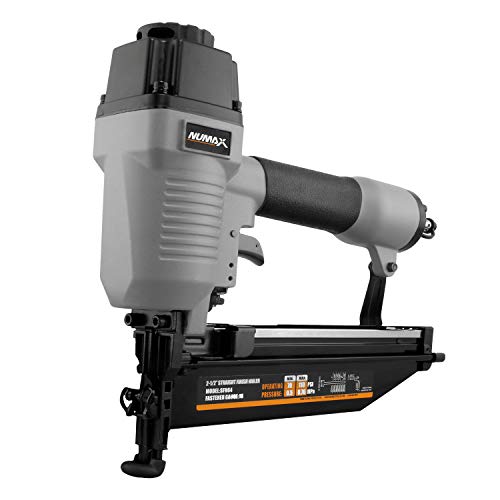
One of the most common nailers used for trim work is the finish nailer. This powerful tool is designed to drive nails into trim materials, such as baseboards, crown molding, and door casings. The finish nailer typically uses 15 or 16 gauge nails, which are strong enough to hold the trim securely in place. With its precision and versatility, the finish nailer is a popular choice for both professionals and homeowners.
Another option to consider is the brad nailer. This smaller nailer is ideal for delicate trim work, such as attaching thin moldings or repairing loose trim. The brad nailer uses 18 gauge nails, which are thinner and leave smaller holes compared to finish nails. This makes it a great choice for projects where appearance is key. With its lightweight design and narrow gauge nails, the brad nailer offers excellent control and precision.

For heavier trim materials, such as hardwoods or thick crown molding, a pin nailer might be the best choice. The pin nailer uses 23 gauge headless pins, which are barely noticeable once installed. This makes it the perfect tool for projects where you want to minimize the appearance of nail holes. Although the pin nailer may not provide as much holding power as a finish nailer, it still offers enough strength to secure most trim materials.
In conclusion, choosing the right nailer for trim work depends on your specific needs and preferences. Whether you opt for a finish nailer, brad nailer, or pin nailer, each tool offers its own advantages and applications. It’s important to consider the type of trim material you’re working with, as well as the desired appearance, strength, and precision. By selecting the appropriate nailer for your trim projects, you’ll ensure professional-looking results that will stand the test of time.
What is a nailer?
A nailer is a specialized tool used in carpentry and construction projects to securely fasten nails into various materials, such as wood, drywall, or metal. It is designed to provide a quick and efficient method of joining pieces together, making it an essential tool for trim work.
Nailers come in different types, each specifically designed for certain tasks and materials. The most common types include:
1. Finish nailer:
A finish nailer is primarily used for trim work and other finishing tasks. It is designed to drive small and thin nails, known as finish nails, into wood without leaving noticeable marks. The nails fired from a finish nailer are often used to attach baseboards, crown molding, window and door casings, and other decorative moldings.
2. Brad nailer:
A brad nailer is similar to a finish nailer but is used for even smaller and thinner nails, called brads. It is commonly used for delicate trim and molding work, as well as for attaching thin materials without risking splitting or damaging the surface. Brad nailers are also popular for crafting and furniture making.
3. Pin nailer:
A pin nailer is the smallest type of nailer and is used to drive extremely thin nails, known as pins, into delicate materials. Pin nailers are commonly used for attaching veneers, lightweight trims, and other delicate materials that require a secure hold without visible nail holes.
Most nailers are powered by compressed air or gas; however, there are also cordless electric nailers available, which provide more mobility and convenience. It is important to select the appropriate nailer for the specific task at hand, taking into consideration the materials, nail size, and desired finish.
Overall, nailers are essential tools for any carpenter or construction professional working on trim and finish projects. They offer speed, accuracy, and efficiency, making the installation of trim a much easier and precise task.
Types of nailers
When it comes to choosing a nailer for trim work, there are several different types to consider. Each type has its own benefits and limitations, so it’s important to choose the right one for your specific needs. Here are some of the most common types of nailers used for trim work:
| Nailer Type | Description |
|---|---|
| Brad nailer | A brad nailer is a versatile tool that is perfect for small trim projects. It uses thin brads, which are less likely to split the wood and leave a small hole that is easy to fill and hide. |
| Finish nailer | A finish nailer is a popular choice for larger trim projects. It uses slightly larger nails than a brad nailer, which provide more holding power. This type of nailer is great for attaching heavier trim and molding. |
| Pin nailer | A pin nailer is a specialized nailer that uses very thin pin nails. It is perfect for delicate trim work, such as attaching trim to cabinets or furniture. The small holes left by pin nails are virtually invisible. |
| Stapler | Although technically not a nailer, a stapler can also be used for trim work. It is especially useful for attaching trim to soft materials, such as upholstery or foam. However, staples may not provide as much holding power as nails. |
Before choosing a nailer for trim work, consider the size and type of trim you will be working with, as well as your own personal preferences. Each type of nailer has its own benefits and limitations, so it’s important to choose the one that best suits your specific needs.
Factors to consider
When choosing a nailer for trim work, there are several factors that you should consider to ensure you make the right decision:
1. Type of trim
The type of trim you’ll be working with will play a major role in determining which nailer is best suited for the job. Different nailers are designed for specific types of trim, such as baseboards, crown molding, or window casings. Make sure to choose a nailer that is compatible with the type of trim you will be using.
2. Nail size
The size of the nails you plan to use is another important consideration. Some nailers are designed to accommodate only certain sizes of nails. Make sure the nailer you choose can handle the size of nails you need for your trim project.
3. Power source
Consider the power source of the nailer. There are two main types: pneumatic (air-powered) and cordless (battery-powered). Pneumatic nailers tend to be more powerful and can handle heavy-duty trim work, but they require an air compressor. Cordless nailers offer greater mobility but may not have as much power as their pneumatic counterparts. Choose the power source that best fits your needs and preferences.
4. Weight and ergonomics
The weight and ergonomics of the nailer are important factors to consider, especially if you will be working for long periods. A lightweight nailer with comfortable ergonomics can help reduce fatigue and increase productivity. Consider how the nailer feels in your hand and if it has any features that promote comfort, such as an adjustable handle or rubber grips.
5. Durability and reliability
Ensure that the nailer you choose is durable and reliable. Look for nailers made from high-quality materials and with a reputation for longevity. Read reviews from other users to get an idea of the nailer’s reliability and performance.
With these factors in mind, you can make a well-informed decision when choosing a nailer for trim work.
Choosing the right nailer
When it comes to choosing a nailer for trim work, there are a few important factors to consider. The right nailer can make all the difference in achieving professional-looking results. Here are some things to keep in mind:
- Nail size: Different trim pieces require different nail sizes. Make sure to choose a nailer that can accommodate the specific size of nails you need for your trim project.
- Nail type: There are various types of nails available, such as brad nails, finish nails, and pin nails. Consider the type of trim you will be working with and choose a nailer that is compatible with the appropriate nail type.
- Power source: Nailer options include pneumatic, electric, and cordless models. Pneumatic nailers are typically the most powerful, but they require an air compressor. Electric and cordless nailers offer greater portability and convenience.
- Ease of use: Look for a nailer that is comfortable to hold and operate for extended periods. Consider features such as a lightweight design, ergonomic grip, and easy nail loading mechanism.
- Durability: Trim work can be demanding on tools, so choose a nailer that is built to withstand the rigors of the job. Look for models with durable construction, high-quality materials, and a reputation for longevity.
- Price: Set a budget for your nailer purchase and consider the long-term value. While it may be tempting to choose the cheapest option, investing in a higher-quality nailer can save you money in the long run by delivering better performance and longevity.
By considering these factors, you can choose the right nailer for your trim work and achieve professional-quality results. Happy nailing!
Questions and answers
What type of nailer is best for trim?
The best type of nailer for trim is a finish nailer.

What size nails should be used for trim?
The size of nails that should be used for trim depends on the thickness of the trim. For most standard trim, 18-gauge or 16-gauge nails are recommended.
Can a brad nailer be used for trim?
Yes, a brad nailer can be used for trim, especially for lighter and smaller trim pieces. However, a finish nailer is generally recommended for better holding power.
Do I need an air compressor for a trim nailer?
Most trim nailers require an air compressor to function. However, there are also cordless trim nailers available that eliminate the need for an air compressor.


Meet Harrison Clayton, a distinguished author and home remodeling enthusiast whose expertise in the realm of renovation is second to none. With a passion for transforming houses into inviting homes, Harrison's writing at https://hutsrenovations.co.uk/ brings a breath of fresh inspiration to the world of home improvement. Whether you're looking to revamp a small corner of your abode or embark on a complete home transformation, Harrison's articles provide the essential expertise and creative flair to turn your visions into reality. So, dive into the captivating world of home remodeling with Harrison Clayton and unlock the full potential of your living space with every word he writes.