
Do You Need Both A Jointer And A Planer




When it comes to woodworking, having the right tools can make all the difference. Two tools that often come up in conversations among woodworkers are the jointer and the planer. Both of these tools have their own unique functions and can be incredibly useful in a workshop. But do you really need both? Let’s take a closer look at what each tool does and whether or not you need to invest in both.
A jointer is a power tool that is used to flatten and straighten the edges of rough lumber. It has a flat bed with an adjustable fence and rotary cutter head. The cutter head spins rapidly and removes small amounts of material, creating a flat and straight edge. This is especially important when working with large pieces of lumber that need to be joined together to create a seamless and sturdy project.
On the other hand, a planer is a power tool that is used to create a consistent thickness across a board. It has a flat bed and a cutter head that removes material from the top surface of the board, resulting in a smooth and even thickness. This is essential when working with rough lumber or when you need boards of consistent thickness for a project.
While both tools have their own functions, it ultimately comes down to the type of woodworking projects you are working on. If you primarily work with rough lumber and need to flatten and straighten edges, then a jointer is a must-have tool. However, if your projects require boards of consistent thickness, then a planer is essential. For those who work with both rough lumber and need boards of consistent thickness, investing in both a jointer and a planer would be ideal.
Do You Really Need Both A Jointer And A Planer: A Comprehensive Guide
When it comes to woodworking, two essential tools that often come up in discussions are jointers and planers. Both of these tools serve different purposes and can be quite valuable in a woodworking workshop. However, the question many woodworkers often ask is: do you really need both a jointer and a planer? In this comprehensive guide, we will explore the functions of both tools and help you make an informed decision.
The Jointer
A jointer is primarily used for creating flat, smooth, and straight surfaces on a piece of wood. It is an invaluable tool for flattening rough boards, removing twists, and creating straight edges. The jointer achieves this by utilizing rotating knives that shave off thin layers of wood, leaving behind a perfect surface.
- The jointer can be used to flatten one face of a board, making it easier to work with when creating flat panels or tabletops.
- It can also be used to create straight edges on boards, which is important for joining two or more pieces together seamlessly.
- Additionally, the jointer can be utilized for removing twists and warps from rough boards, making them easier to work with.
The Planer
A planer, on the other hand, is used for making a board’s thickness uniform throughout its entire surface. It is ideal for reducing the thickness of a board or creating consistent thickness throughout all the boards in a project. The planer achieves this by passing the board through rotating blades that shave off thin layers of wood from the top surface.
- The planer is perfect for reducing the thickness of rough lumber to your desired thickness for your project.
- It can also be used to create consistent thickness for all the boards that will be used in a project, ensuring a professional and uniform finish.
Do You Really Need Both?
While both the jointer and planer serve different functions, they can complement each other in many woodworking projects. The jointer can be used to prep the boards by creating flat and straight surfaces, while the planer can be used to adjust the thickness of the boards.
However, it’s important to note that not all woodworking projects require both tools. Depending on the type of projects you undertake, you may find that one tool is more essential than the other. For example, if you primarily work with rough lumber, a planer may be more important to ensure consistent thickness. Alternatively, if you often work with reclaimed or salvaged wood that needs to be flattened, a jointer may be the more crucial tool for your projects.
Ultimately, the decision to have both a jointer and a planer in your woodworking workshop will depend on the types of projects you undertake and your personal preferences. If you have the budget and space, having both tools can certainly make your woodworking journey more efficient and enjoyable. However, if you are just getting started or have limited resources, you can still achieve excellent results with either a jointer or a planer.
Remember, it’s not about having all the tools, but rather using the tools you have effectively and efficiently to create beautiful and functional woodworking projects.
Understanding the Difference between a Jointer and a Planer: What You Should Know
When it comes to working with wood, having the right tools is essential. Two common tools that are often used in woodworking projects are a jointer and a planer. Although they may seem similar, they actually serve different purposes and understanding their differences can help you make more informed decisions when it comes to your woodworking projects.
A jointer is a tool that is specifically designed to create a flat and smooth surface on the edges of a piece of wood. It is used to straighten and square the edges, so that they can be joined together seamlessly. This is particularly important when creating furniture or other projects that require precise measurements and tight-fitting joints. A jointer works by using a rotating cutterhead with multiple blades to remove small amounts of wood, ensuring a smooth and even edge.
On the other hand, a planer is used to create a consistent thickness on a piece of wood. It is typically used after the jointing process to make the opposite face of the wood parallel to the already squared edge. A planer works by passing the wood through a set of rotating blades, which shave off thin layers of wood to achieve the desired thickness. This ensures that all the pieces of wood used in a project are of the same thickness, resulting in a more professional and polished finished product.
While both a jointer and a planer are useful tools in woodworking, they serve different purposes and are often used in conjunction with each other. Using a jointer to square and straighten the edges of the wood, and then using a planer to achieve a consistent thickness can greatly improve the quality of your woodworking projects. It is important to note that it is possible to achieve similar results using hand tools, but using power tools like a jointer and planer can save time and effort.
In conclusion, a jointer and a planer are two essential tools for any woodworker. While a jointer is used to square and straighten the edges of a piece of wood, a planer is used to achieve a consistent thickness. Understanding the differences between these two tools can help you choose the right tool for your woodworking needs, ensuring that you can create high-quality, professional projects.
The Benefits of Using a Jointer in Your Woodworking Projects
When it comes to woodworking projects, a jointer is an invaluable tool that can greatly improve the quality and precision of your work. A jointer is specifically designed to flatten and straighten the edges of boards, ensuring that they fit together seamlessly when joined.
1. Improved Woodworking Accuracy
One of the key benefits of using a jointer is that it allows you to achieve a higher level of accuracy in your woodworking projects. By using a jointer to straighten and level the edges of your boards, you can ensure that all the pieces fit together perfectly, resulting in a tight and seamless joint. This is especially important when working on projects that require precise measurements or tight joinery.
2. Reduced Warping and Cupping
Wood has a natural tendency to warp, cup, or twist due to changes in moisture content. However, by using a jointer, you can effectively minimize these issues. The process of passing the board through a jointer removes any irregularities and creates a flat, perpendicular surface, which reduces the likelihood of warping or cupping. This ensures that your finished project remains straight and stable over time.
It’s important to note that while a planer can also be used to flatten boards, it is not as effective as a jointer when it comes to correcting twisted or bowed edges.
3. Increased Efficiency
Using a jointer can greatly increase your efficiency in the woodworking shop. Rather than spending extra time and effort trying to manually flatten and straighten boards, a jointer allows you to accomplish this task quickly and accurately. This means that you can spend more time on the actual construction of your project, rather than on tedious prep work.
Overall, a jointer is a valuable addition to any woodworking workshop. It allows you to achieve a higher level of accuracy, reduce the risk of warping, and increase your overall efficiency. By investing in a jointer, you can take your woodworking projects to the next level and enjoy the satisfaction of producing high-quality, professional results.
The Advantages of Adding a Planer to Your Woodworking Arsenal
Having a planer as part of your woodworking toolkit can bring numerous advantages and improve your woodworking projects in various ways.
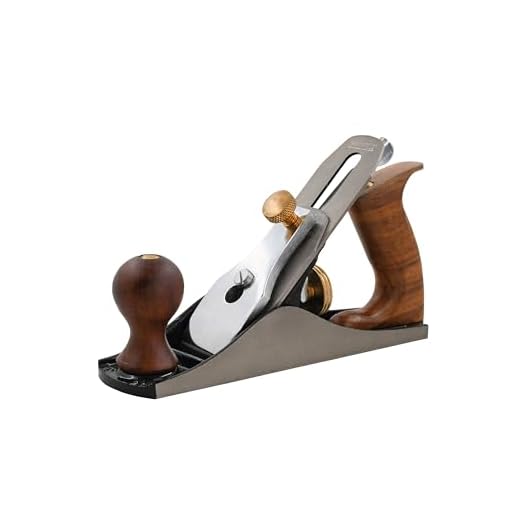
1. Smoothing Rough Lumber: A planer can efficiently and easily flatten and smooth rough lumber, making it easier to work with. This is particularly important when working on projects that require precise measurements or require a smooth surface for finishing.
2. Consistent Thickness: With a planer, you can achieve a consistent thickness throughout your woodwork. This is especially useful when constructing furniture or creating wooden boards that need to fit together seamlessly.
3. Dimensional Accuracy: One of the key benefits of using a planer is the ability to ensure dimensional accuracy in your woodworking projects. A planer can help you achieve uniform widths and thicknesses, ensuring that your work is precise and visually appealing.
4. Enhanced Finishing: By using a planer, you can create smoother surfaces that are easier to finish. Whether you are planning to paint, stain, or apply a natural finish, a planed surface can make the finishing process more efficient and produce superior results.
5. Time Savings: A planer can significantly reduce the time it takes to prepare wood for projects. Instead of manually sanding rough lumber, a planer can quickly and efficiently remove excess material, saving you time and effort.
6. Cost-effectiveness: While jointers and planers serve different purposes, investing in a planer can be a cost-effective decision. A planer allows you to work with rough lumber directly, saving you money on pre-surfaced materials and reducing waste.
Overall, adding a planer to your woodworking arsenal can enhance your woodworking capabilities, improve the quality of your projects, and save you time and money in the long run.
Why Having Both a Jointer and a Planer Can Take Your Woodworking to the Next Level
Woodworking can be a rewarding hobby or profession, but to achieve the best results, it’s important to have the right tools. Two essential tools for any serious woodworker are a jointer and a planer. While each machine has its own unique functions, having both can take your woodworking to the next level.
A jointer is used to create flat, smooth surfaces on a piece of wood. It works by gradually removing small amounts of material from the surface, making it ideal for removing imperfections, straightening edges, and creating perfectly flat surfaces. With a jointer, you can achieve precise and accurate cuts, ensuring that all the pieces fit together seamlessly.
A planer, on the other hand, is used to reduce the thickness of a piece of wood. It works by feeding the wood through rotating blades, removing material from the top surface until the desired thickness is achieved. A planer is essential for creating custom-sized lumber, smoothing rough-cut boards, and achieving consistent thickness throughout a project.
While each machine can be used independently to accomplish specific tasks, having both a jointer and a planer opens up a world of possibilities for woodworkers. With a jointer, you can achieve flat and smooth surfaces, and with a planer, you can achieve consistent thickness and custom-sized lumber. Together, these machines complement each other and work hand in hand to improve the overall quality of your woodworking projects.
For example, when working on a tabletop, a jointer can be used to flatten the boards and join them together seamlessly, eliminating any gaps or imperfections. Once the tabletop is assembled, a planer can be used to ensure that the surface is perfectly flat and uniform in thickness. This combination of jointing and planing results in a high-quality finished product that is not only visually appealing but also structurally sound.
In addition to improving the quality of your projects, having both a jointer and a planer can also save you time and money. Rather than relying on a lumberyard to provide you with pre-milled lumber, you can purchase rough-cut boards and use your machines to flatten and thickness them according to your specific needs. This gives you greater control over the final product and allows you to work with a wider range of wood species and sizes.
In conclusion, while a jointer and a planer can be used independently to accomplish specific tasks, having both machines at your disposal can greatly enhance your woodworking capabilities. The combination of jointing and planing enables you to achieve flat and smooth surfaces, consistent thickness, and custom-sized lumber. Whether you’re a hobbyist or a professional woodworker, investing in both a jointer and a planer is a wise decision that can take your woodworking to the next level.
Questions and answers
What is the purpose of a jointer?
A jointer is used to flatten and smoothen rough or uneven surfaces of a wood plank.
What does a planer do?
A planer is used to make the thickness of a wood plank uniform throughout its length.
Can I use a jointer instead of a planer?
No, a jointer cannot replace a planer as they serve different purposes. A jointer only flattens the surface while a planer adjusts the thickness of the wood.
Can I use a planer instead of a jointer?
Yes, a planer can be used to create a flat surface on a wood plank, but it would not be as effective as using a jointer for this specific task.
Is it necessary to have both a jointer and a planer?
It is not necessary to have both, but having both a jointer and a planer in your woodworking workshop can greatly enhance your ability to work with different types of wood and achieve professional-level results.


Meet Harrison Clayton, a distinguished author and home remodeling enthusiast whose expertise in the realm of renovation is second to none. With a passion for transforming houses into inviting homes, Harrison's writing at https://hutsrenovations.co.uk/ brings a breath of fresh inspiration to the world of home improvement. Whether you're looking to revamp a small corner of your abode or embark on a complete home transformation, Harrison's articles provide the essential expertise and creative flair to turn your visions into reality. So, dive into the captivating world of home remodeling with Harrison Clayton and unlock the full potential of your living space with every word he writes.


