How To Use Orbital Polisher On Car

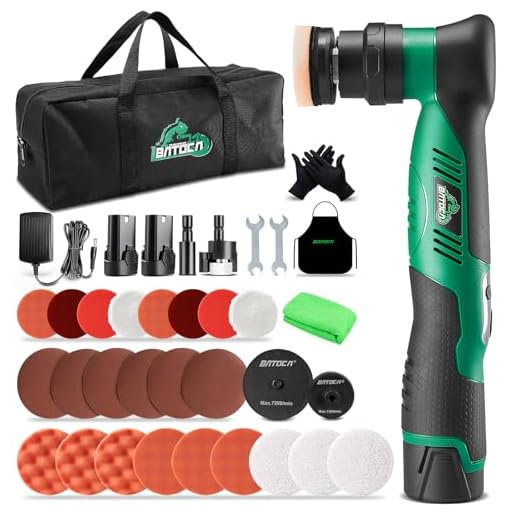


Orbital polishers are a great tool to have in your car detailing arsenal. They are designed to make the process of polishing your car easier and more efficient. With their unique spinning and oscillating motion, orbital polishers are able to gently remove swirl marks, scratches, and other imperfections from your car’s paintwork.
Using an orbital polisher on your car is not as difficult as it may seem. With a little bit of practice and the right technique, you can achieve professional-quality results. The first step is to choose the right type of polish for your car. There are two main types of polishes available: compound and finishing polish. Compound polish is more abrasive and is used to remove deep scratches and oxidation, while finishing polish is less abrasive and is used to remove light scratches and swirl marks.
Before you begin using the orbital polisher, it is important to properly prepare your car’s paintwork. This involves washing and drying your car thoroughly, and if necessary, using a clay bar to remove any embedded contaminants. Once your car is clean and dry, you can apply the polish to the pad of the orbital polisher. It is recommended to start with a small amount of polish and gradually increase the amount as needed.
When using the orbital polisher on your car, it is important to keep a few things in mind. First, it is best to work on small sections of your car at a time, applying the polish in a circular motion. This will ensure that the polish is evenly distributed and that you achieve a consistent finish. Second, it is important to use light to medium pressure when using the orbital polisher. Applying too much pressure can result in swirl marks or even burn through the clear coat.

After you have finished polishing your car, it is important to remove any excess polish that may be left on the paintwork. This can be done with a microfiber cloth or a clean, soft towel. Finally, it is a good idea to apply a coat of wax or sealant to protect your car’s paintwork and give it a glossy finish.
With a little bit of time and practice, you can become proficient in using an orbital polisher on your car. It is a great tool to have in your car detailing arsenal, and it will help you achieve professional-quality results in no time. So, go ahead and give it a try!
What You Need
Before using an orbital polisher on your car, there are a few essential items you will need to have on hand:
- An orbital polisher: It is important to choose a high-quality orbital polisher that is suitable for automotive use. Look for a polisher that has variable speed settings and comes with various foam or microfiber pads.
- Backing plate: This is the part of the polisher that holds the pads, so make sure it is compatible with your polisher.
- Polishing pads: Different pads have different levels of aggressiveness, so having a variety of pads will allow you to achieve different levels of correction.
- Car polish or compound: Choose a high-quality polish or compound that is designed for automotive use. Make sure to read the instructions to determine the correct amount to use.
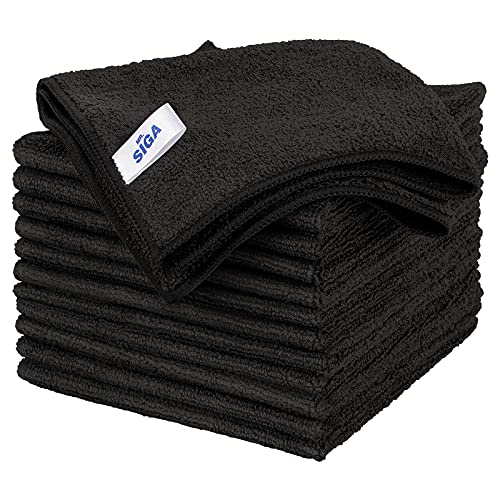
- Microfiber towels: These are essential for wiping off the polish and achieving a clean, polished finish.
- Protective gear: It is important to wear protective gear such as safety glasses and gloves to protect yourself while using the polisher.
- Extension cord: Depending on the length of the cord that comes with your polisher, you may need an extension cord to reach all areas of your car.
- Clay bar: This is optional, but using a clay bar before polishing can help remove any embedded contaminants on the surface of the paint.
Having these items on hand will ensure that you are properly equipped to use an orbital polisher on your car and achieve professional-looking results. Make sure to read the instructions that come with your polisher and follow all safety precautions to avoid any accidents or damage to your vehicle.
Orbital Polisher and Accessories
The orbital polisher is a versatile tool that can help you achieve a professional finish on your car’s paintwork. To get the best results, you’ll need to have the right accessories in your arsenal. Here are some crucial accessories to consider:
Polishing Pads:
A high-quality polishing pad is essential for using with your orbital polisher. These pads come in various types, including cutting pads, polishing pads, and finishing pads. They are typically made of foam or microfiber and are designed to work with specific types of polishes and compounds. Be sure to choose the right pad for the desired level of correction and finish.
Backing Plate:
The backing plate is the component that attaches the polishing pad to the orbital polisher. It’s important to choose a backing plate that is compatible with your polisher and pad. The most common sizes are 5-inch and 6-inch, but larger and smaller options are also available. Make sure the backing plate has a hook-and-loop (Velcro) attachment system for easy pad installation and removal.
Compounds and Polishes:
Compounds and polishes are used in conjunction with the orbital polisher to remove paint defects, swirl marks, and scratches. These products come in different levels of abrasiveness, so it’s important to choose the right one for your specific needs. Compound is more aggressive and suitable for heavier defects, while polish is milder and used for fine-tuning the finish. Consider using a dual-action polish that combines cutting and polishing capabilities for convenience.
Tip: Always start with the least aggressive pad and polish combination and gradually increase the aggressiveness if necessary. This approach helps minimize the risk of causing unnecessary damage to your car’s paintwork.
In conclusion, when using an orbital polisher on your car, having the right accessories is essential for achieving professional results. Invest in high-quality polishing pads, a compatible backing plate, and the appropriate compounds and polishes to ensure a flawless finish.
Clean Microfiber Towels
Microfiber towels are a key tool in car detailing, and keeping them clean is crucial for their performance and longevity. Here are some steps to properly clean your microfiber towels:
Preparation
Before washing your microfiber towels, it is important to remove any loose dirt or debris. You can do this by shaking the towels vigorously or using a soft brush to gently brush off any particles.
Washing
When it comes to washing microfiber towels, it is recommended to use a mild detergent that does not contain any fabric softener. Fabric softeners can clog the microfibers and reduce their absorbency. Avoid using bleach or harsh chemicals as they can also damage the fibers.
| Step | Instructions |
|---|---|
| 1 | Separate your microfiber towels from other laundry to prevent lint transfer. |
| 2 | Wash the microfiber towels in warm water on a gentle cycle. |
| 3 | Use a small amount of mild detergent and avoid using fabric softener. |
| 4 | Avoid overloading the washing machine to ensure proper cleaning. |
| 5 | Dry the microfiber towels on a low heat setting or hang them to air dry. Avoid using dryer sheets. |
Stain Removal
If you notice any stubborn stains on your microfiber towels, you can try spot cleaning them before washing. Use a mild stain remover or a mixture of water and vinegar to gently dab the stain. Avoid rubbing the stain, as it can push it deeper into the fibers.
By following these steps, you can ensure that your microfiber towels remain clean and effective for all your car detailing needs.
Appropriate Car Polish and Compound
When using an orbital polisher on your car, it is important to choose the appropriate car polish and compound to achieve the best results. Here are some factors to consider when selecting the right products:
- Paint Condition: Assess the condition of your car’s paint. If it is in good condition with only minor scratches or swirl marks, a light polishing compound will suffice. However, if the paint is severely scratched or has oxidation, a heavier cutting compound may be necessary.
- Polish Type: There are different types of car polishes available, such as cleaner polishes and finishing polishes. Cleaner polishes are designed to remove defects and enhance the shine of the paint, while finishing polishes are milder and focus on refining the finish. Choose the polish type based on your desired outcome.
- Abrasiveness: Car polishes and compounds come in varying levels of abrasiveness. A more aggressive compound will remove more defects but can also remove more clear coat, so it’s important to strike a balance. Start with a less aggressive compound and increase the abrasiveness if needed.
- Pad Type: The type of pad you use with your orbital polisher can also influence the result. Foam pads are commonly used, and they come in different levels of aggressiveness. Match the pad to the compound for optimal performance.
- Test Spot: Before applying the polish or compound to the entire car, it is advisable to perform a test spot on a small area to determine if the combination of product, pad, and machine speed is effective and safe for your car’s paint.
By considering these factors and selecting the appropriate car polish and compound, you can achieve the best results when using an orbital polisher on your car.
Prepare Your Car
Before using an orbital polisher on your car, it’s important to properly prepare your vehicle to ensure the best results. Here are some steps to follow:

Clean the Car: Start by thoroughly cleaning your car to remove any dirt, dust, or debris that may be on the surface. Use a car wash soap and a microfiber wash mitt to gently scrub the car’s exterior, making sure to pay attention to all areas including the wheels and tires.
Dry the Car: After washing, dry the car using a clean microfiber towel or a drying aid. This will help prevent water spots and ensure that the surface is clean and ready for polishing.
Inspect the Paint: Carefully inspect the paint of your car for any imperfections such as scratches, swirl marks, or oxidation. This will help you determine if any additional steps, such as paint correction, need to be taken before polishing.
Masking: If you are planning to polish certain areas of your car, such as the trim or plastic parts, it’s a good idea to mask them off to prevent any accidental damage. Use automotive masking tape to protect these areas.
Choose the Right Products: Select the appropriate polishing compound or polish for your car’s paint type and the level of correction required. It’s important to use high-quality products that are specifically designed for use with an orbital polisher.
By properly preparing your car before using an orbital polisher, you can ensure that you achieve the best results and protect your vehicle’s paint.
Wash and Dry Thoroughly
Before using an orbital polisher on your car, it’s essential to wash and dry the car thoroughly. This will ensure that the surface is clean and free of any dirt or debris that could potentially scratch the paint during the polishing process.
Step 1: Washing
Start by rinsing the car with clean water to remove any loose dirt or grime. Then, use a car wash soap and a soft sponge or microfiber mitt to gently scrub the entire surface of the car. Pay special attention to areas that tend to accumulate dirt, such as the wheels, bumpers, and lower sections of the car.
After washing, rinse the car again to remove all the soap residue. Make sure to thoroughly rinse the soap off every surface, including the windows, body panels, and wheels.
Step 2: Drying
Once the car is clean, use a soft, absorbent microfiber towel or a chamois to dry the surface. Start by drying the windows and then move on to the body panels. Be sure to dry all the nooks and crevices, including the door jambs, side mirrors, and grille.

Avoid wiping the towel or chamois in a circular motion, as this can create swirl marks on the paint. Instead, use a straight back-and-forth motion or a blotting technique to dry the car.
By thoroughly washing and drying your car before using an orbital polisher, you’ll ensure the best possible results and minimize the risk of any damage to the paint. Now that your car is clean and dry, you’re ready to move on to the next steps of the orbital polishing process.
Mask off Delicate Areas
Before you begin using an orbital polisher on your car, it’s important to mask off any delicate areas that you want to protect. This includes areas like the rubber trim, plastic moldings, and any other parts that may be sensitive to the polishing process.

To mask off these areas, you can use tape or plastic sheets. Start by applying the tape around the edges of the delicate areas, making sure to cover them completely. This will create a barrier between the polisher and the sensitive parts, preventing any accidental damage.
If you’re using plastic sheets, you can cover the entire surface of the delicate areas, ensuring that no polish or residue comes into contact with them. Make sure that the sheets are secure and won’t move around during the polishing process.
By masking off these delicate areas, you can polish the rest of your car without worrying about causing any damage. It’s an essential step in using an orbital polisher properly and safely.
Inspect the Paint for Imperfections
Before using an orbital polisher on your car, it’s important to inspect the paint for any imperfections. This will help you determine which areas need the most attention and which areas can be skipped.
Start by washing your car thoroughly to remove any dirt or debris that may be covering up imperfections. Once your car is clean, you can use a paint inspection light or a flashlight to carefully examine the paint.
Look for Scratches and Swirl Marks
Scratches and swirl marks are common imperfections that can be easily seen under a paint inspection light. These can be caused by a variety of factors, such as improper washing techniques or contact with abrasive materials. Take note of any scratches or swirl marks you find so you can focus on correcting them during the polishing process.
Check for Fading or Oxidation
Fading and oxidation are also common paint imperfections that can occur over time. Fading refers to the loss of color intensity, while oxidation refers to the dulling of the paint surface. These issues can make your car’s paint look old and worn. Look for areas where the paint appears dull or faded, as these will require extra attention during the polishing process.
Additionally, it’s important to check for any paint chips or blemishes that may need to be addressed before polishing. These issues can be more difficult to fix with a polisher alone and may require touch-up paint or professional assistance.
By thoroughly inspecting the paint for imperfections, you can better plan your polishing strategy and achieve the best results possible. Remember to take your time during this step and note any areas that require special attention.
Questions and answers
What is an orbital polisher?
An orbital polisher is a power tool used to polish the surface of a car. It has a spinning pad that rotates in an orbital motion, which helps prevent swirl marks and damage to the paint.
How do I use an orbital polisher on my car?
To use an orbital polisher on your car, first clean the surface thoroughly. Then, apply a small amount of polishing compound to the pad of the polisher. Turn the machine on and move it in a circular motion over the surface of the car. Apply even pressure and make sure to cover all areas. Once you’re done, wipe off any excess polish with a microfiber cloth.
Can an orbital polisher damage my car’s paint?
No, an orbital polisher is designed to be safe for your car’s paint. Its orbital motion helps prevent swirl marks and damage. However, it’s important to use the polisher correctly and not apply too much pressure. Always follow the manufacturer’s instructions and use proper technique to avoid any potential damage.


Meet Harrison Clayton, a distinguished author and home remodeling enthusiast whose expertise in the realm of renovation is second to none. With a passion for transforming houses into inviting homes, Harrison's writing at https://hutsrenovations.co.uk/ brings a breath of fresh inspiration to the world of home improvement. Whether you're looking to revamp a small corner of your abode or embark on a complete home transformation, Harrison's articles provide the essential expertise and creative flair to turn your visions into reality. So, dive into the captivating world of home remodeling with Harrison Clayton and unlock the full potential of your living space with every word he writes.