
Can I Run A Sand Blaster Direct From Compressor


When it comes to sandblasting, many people wonder if it is possible to run a sand blaster directly from a compressor. Sandblasting is a popular method for removing paint, rust, and other surface contaminants, but it requires a powerful air compressor to work effectively. So, can you connect your sandblaster directly to your compressor?
The answer to this question depends on the size and power of your compressor. If you have a small, portable compressor, it may not have enough air volume or pressure to run a sand blaster efficiently. Sandblasting requires a high volume of compressed air to propel the abrasive material and remove the surface contaminants effectively.
However, if you have a larger, more powerful compressor, it is possible to run a sand blaster directly from it. You will need to ensure that your compressor has a high enough cubic feet per minute (CFM) rating and pressure rating to meet the requirements of your sand blaster. It is also essential to check the manufacturer’s recommendations for both the compressor and sand blaster to ensure compatibility.

Keep in mind that running a sand blaster directly from a compressor can put a significant load on the compressor and may shorten its lifespan. It is recommended to use a compressor that is specifically designed for sandblasting or one that is rated for heavy-duty use. This will ensure that your compressor can handle the demands of sandblasting without causing damage or excessive wear.
Can I Use Sand Blaster Directly From Compressor?
Sandblasting is a versatile and effective method for removing rust, paint, and other surface coatings. Many people wonder if they can connect and use a sandblaster directly to their air compressor. While it may seem convenient, it is important to understand the limitations and potential risks associated with this setup.
In theory, it is possible to connect a sandblaster directly to an air compressor. However, there are a few factors to consider before attempting this. The first is the capacity of your air compressor. Sandblasting requires a significant amount of compressed air, and not all compressors are capable of supplying the necessary volume and pressure.
Another factor to consider is the type of sandblaster you have. There are two main types: pressure feed sandblasters and siphon feed sandblasters. Pressure feed sandblasters require a large volume of compressed air to push the abrasive media through the nozzle, while siphon feed sandblasters rely on the venturi effect to create suction and draw the media up into the nozzle.
If you have a pressure feed sandblaster, it is crucial to ensure that your air compressor can supply the required CFM (cubic feet per minute) and PSI (pounds per square inch) for optimal performance. Consult the manufacturer’s specifications for both the sandblaster and compressor to determine if they are compatible.
For siphon feed sandblasters, a smaller compressor may be sufficient. However, keep in mind that using a smaller compressor may result in reduced efficiency and slower cleaning times. It is recommended to use a compressor with a tank capacity of at least 20 gallons to ensure a steady air supply during prolonged sandblasting sessions.
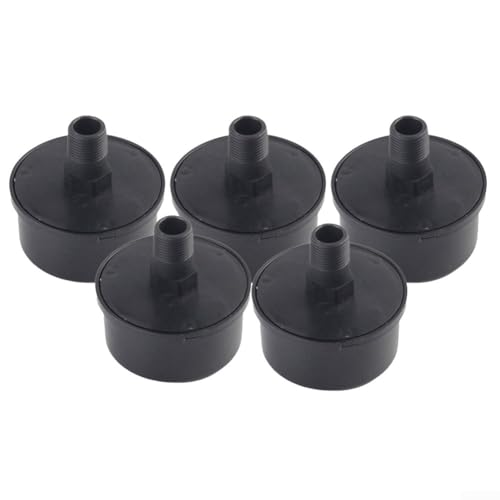
Regardless of the type of sandblaster you have, it is crucial to properly filter the compressed air before it reaches the sandblaster. Sandblasting generates a significant amount of dust and debris, which can cause damage to the compressor and other components if not filtered properly. Use a high-quality air filter and moisture separator to remove any contaminants from the air supply.
In conclusion, while it is possible to connect and use a sandblaster directly from an air compressor, it is important to ensure that your compressor has the necessary capacity and that you are using the correct type of sandblaster. Additionally, proper filtration of the compressed air is essential for optimal performance and to prevent damage to your equipment.
Choosing the Right Sand Blaster
When it comes to sand blasting, having the right equipment is crucial for achieving optimal results. Here are some factors to consider when choosing a sand blaster:
Type of Sand Blaster
There are different types of sand blasters available in the market, including pressure blasters, siphon blasters, and gravity blasters. Each type has its own advantages and is suitable for specific applications. Pressure blasters, for example, are ideal for heavy-duty projects, while siphon blasters are more versatile and can be used with different abrasives.
Compressor Capacity
The compressor is an essential component of a sand blaster, as it provides the required air pressure to propel the abrasive material. It is important to choose a sand blaster that is compatible with your compressor’s capacity. Check the PSI (pounds per square inch) and CFM (cubic feet per minute) requirements of the sand blaster and ensure that your compressor can supply the necessary air volume.
Abrasive Material
The choice of abrasive material depends on the surface being blasted and the desired result. Common abrasive materials used in sand blasting include silica sand, aluminum oxide, glass beads, and garnet. Consider the hardness, size, and shape of the abrasive material to ensure it is suitable for your application.
Safety Features
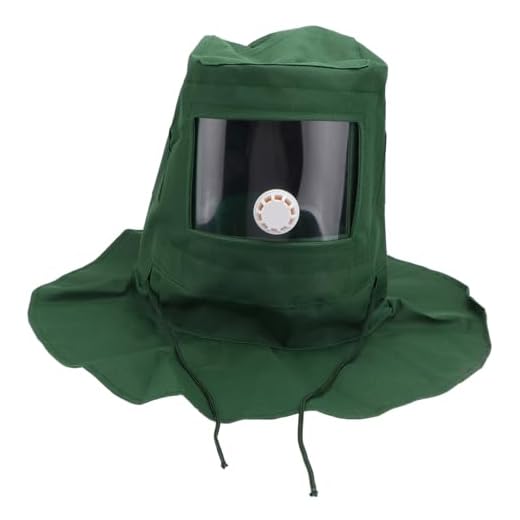
When operating a sand blaster, safety should always be a top priority. Look for sand blasters that come with safety features such as pressure gauges, safety release valves, and blast hood helmets. These features help protect the operator from harmful dust, excessive pressure, and potential accidents.
By considering these factors, you can choose the right sand blaster for your specific needs. Whether you are tackling a small DIY project or a large-scale industrial job, having the right equipment ensures efficient and effective sand blasting.
Understanding Compressor Capacity
When it comes to running a sand blaster directly from a compressor, understanding the compressor capacity is crucial. The compressor capacity refers to the amount of air or gas that a compressor can deliver. It is usually measured in terms of cubic feet per minute (CFM) or liters per minute (LPM).
Factors Affecting Compressor Capacity
Several factors can affect the compressor capacity:
- Horsepower (HP): The horsepower of a compressor determines its overall power and ability to deliver air. Higher horsepower generally means a higher compressor capacity.
- Compression Ratio: The compression ratio is the ratio of the discharge pressure to the suction pressure. A higher compression ratio can increase the compressor capacity.
- Efficiency: The efficiency of a compressor affects its capacity. Higher efficiency means a higher capacity.
- Cylinder Size: The size of the compressor cylinder can impact its capacity. Larger cylinders generally have a higher capacity.
- Tank Size: The size of the compressor tank can also affect its capacity. A larger tank allows for more storage of compressed air, leading to a higher capacity.
Matching Compressor Capacity to Sand Blaster
When running a sand blaster directly from a compressor, it is essential to match the compressor capacity to the requirements of the sand blaster. The sand blaster should have a minimum CFM or LPM requirement specified by the manufacturer.
In general, the compressor should have a capacity that meets or exceeds the sand blaster’s requirements. Running a sand blaster with an undersized compressor can result in insufficient air supply, leading to poor performance and potentially damaging both the sand blaster and the compressor.
Considerations for Running a Sand Blaster from a Compressor
Running a sand blaster directly from a compressor requires careful consideration of several factors:
- Compressor Type: Different types of compressors, such as reciprocating compressors or rotary screw compressors, have different capacity ranges. Understanding the type of compressor and its capacity is crucial.
- Compressor Duty Cycle: The duty cycle of a compressor refers to the amount of time it can run continuously. Some compressors have a duty cycle that limits their continuous operation. Exceeding the duty cycle can lead to overheating and damage.
- Air Pressure: The sand blaster typically requires a specific air pressure to operate effectively. The compressor should be capable of delivering the necessary pressure.
- Air Quality: It is essential to ensure the compressed air from the compressor is clean and free from contaminants that can damage the sand blaster or affect the quality of the blasting process.
| Compressor Capacity | Sand Blaster Requirement | Compatibility |
|---|---|---|
| Higher CFM/LPM | Equal or lower CFM/LPM | Compatible (provides sufficient air supply) |
| Lower CFM/LPM | Equal or higher CFM/LPM | Not compatible (insufficient air supply) |
| Equal CFM/LPM | Equal CFM/LPM | Compatible (provides sufficient air supply) |
Always consult the manufacturer’s specifications for both the compressor and the sand blaster to ensure compatibility and proper operation.
Necessary Accessories and Precautions
When running a sand blaster directly from a compressor, there are a few necessary accessories and precautions to keep in mind. These accessories and precautions will help ensure both the effectiveness of the sand blaster and the safety of the operator.
Rust Inhibitor and Separator
One important accessory is a rust inhibitor and separator. This helps prevent rust from forming inside the sand blaster and damaging its components. It is recommended to use a product specifically designed for sand blasters, as it will provide the best protection against rust. Additionally, a separator should be used to remove any moisture or oil from the compressed air before it enters the sand blaster. This helps prevent clogs and ensures a smooth and consistent flow of abrasive material.
Proper Safety Gear
It is essential to wear proper safety gear when operating a sand blaster. This includes a helmet with a face shield or goggles to protect the eyes from flying debris, as well as gloves to protect the hands from abrasive material. Additionally, wearing a respirator or mask is important to avoid inhaling dust particles. A full body suit or coveralls can also be worn to protect the skin from abrasive material and prevent injuries.
Other necessary accessories may include a nozzle extension, which allows the operator to reach difficult areas, and a pressure regulator, which helps control the amount of pressure applied during sandblasting. It is important to follow the manufacturer’s instructions and guidelines when using these accessories to ensure safe and effective operation.
Finally, before using a sand blaster directly from a compressor, it is important to familiarize oneself with the equipment and its operation. This can include reading the instruction manual, practicing on a small surface first, and understanding the proper techniques for sandblasting. By taking these necessary precautions and using the appropriate accessories, it is possible to run a sand blaster directly from a compressor safely and effectively.
Questions and answers
Can I run a sand blaster directly from a compressor?
Yes, you can run a sand blaster directly from a compressor. However, you need to make sure that your compressor has the necessary capacity to handle the requirements of the sand blaster. Sand blasting can require a high volume of air, so it’s important to check the CFM (cubic feet per minute) rating of your compressor and compare it to the CFM requirements of the sand blaster.
What should I consider when using a sand blaster with a compressor?
When using a sand blaster with a compressor, there are a few factors to consider. First, you need to make sure that your compressor has the necessary CFM rating to provide enough air volume for the sand blaster. Second, you should use a moisture separator to remove any moisture from the compressed air, as wet sand can clog the sand blaster. Finally, it’s important to wear proper safety gear, such as goggles and a respirator, to protect yourself from the abrasive particles produced during sand blasting.
Can I use any type of sand with a sand blaster?
No, you cannot use any type of sand with a sand blaster. It is important to use sand that is specifically designed for sand blasting, such as silica sand or garnet sand. These types of sand have the necessary hardness and consistency to effectively remove surface coatings or rust. Using the wrong type of sand can result in poor blasting performance or damage to the sand blaster.

Do I need to wear protective gear when using a sand blaster?
Yes, it is essential to wear protective gear when using a sand blaster. The abrasive particles produced during sand blasting can be harmful to your eyes and lungs. It is recommended to wear safety goggles to protect your eyes from flying debris, as well as a respirator to prevent inhalation of the abrasive particles. Additionally, wearing gloves and a protective suit can help protect your skin from the abrasive material.
What are some common applications of sand blasting?
Sand blasting is commonly used for a variety of applications. It can be used to remove paint or rust from metal surfaces, clean masonry or concrete surfaces, prepare surfaces for painting or coating, and etch or engrave glass or stone. Sand blasting is a versatile method of surface preparation and can be used in various industries, including automotive, construction, and manufacturing.


Meet Harrison Clayton, a distinguished author and home remodeling enthusiast whose expertise in the realm of renovation is second to none. With a passion for transforming houses into inviting homes, Harrison's writing at https://hutsrenovations.co.uk/ brings a breath of fresh inspiration to the world of home improvement. Whether you're looking to revamp a small corner of your abode or embark on a complete home transformation, Harrison's articles provide the essential expertise and creative flair to turn your visions into reality. So, dive into the captivating world of home remodeling with Harrison Clayton and unlock the full potential of your living space with every word he writes.


