
Can You Use A Belt Sander Vertical
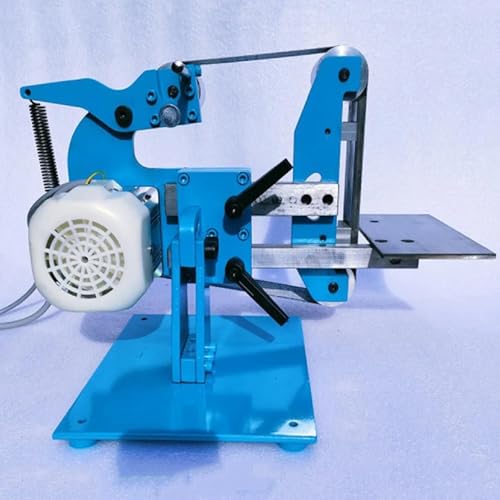


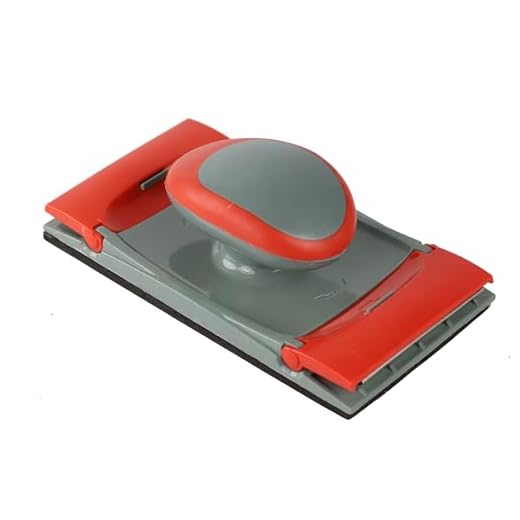
When it comes to belt sanders, most people are familiar with their typical use – horizontally, moving the sander back and forth over the material being worked on. However, if you’ve ever wondered whether you can use a belt sander vertically, you’re not alone. Many people have questioned whether this tool can be used in a different orientation to handle specific sanding tasks.
The short answer is yes, you can indeed use a belt sander vertically. In fact, using a belt sander in a vertical position can be quite advantageous for certain applications. The primary advantage is that it allows you to easily sand and refine surfaces that are difficult to access with a horizontal movement of the sander.
When using a belt sander vertically, you can easily sand intricate details, such as beveled edges or curved surfaces, that cannot be effectively sanded with a horizontal motion. This is especially useful when working on furniture, cabinetry, or other woodworking projects that have intricate designs. By using a vertical motion, you can achieve a more precise and even sanding result in these areas.

However, it’s important to note that using a belt sander vertically requires some extra precautions. The vertical position of the sander makes it more difficult to control and can increase the risk of the sander tipping over or causing damage. It is crucial to ensure that the sander is securely fastened, and you have a firm grip on the material being sanded. Additionally, using a lower speed setting and using light pressure can help you maintain better control and prevent any accidents.
In conclusion, while it is possible to use a belt sander vertically, it’s important to exercise caution and take the necessary safety measures. As with any power tool, it’s essential to familiarize yourself with the tool’s operation and consult the manufacturer’s guidelines before attempting any unconventional uses. With proper precautions and technique, using a belt sander vertically can open up new possibilities and help you achieve exceptional results in your sanding projects.
Benefits of Using a Belt Sander Vertically
Using a belt sander vertically can offer numerous benefits and advantages for certain woodworking tasks. While belt sanders are traditionally used in a horizontal position, there are specific situations where using them vertically can be advantageous. Here are a few benefits of using a belt sander vertically:
- Access to Hard-to-Reach Areas: When sanding a large workpiece or a piece with irregular shapes and contours, using a belt sander vertically can provide easier access to hard-to-reach areas. By standing the sander upright, you can maneuver it more easily and effectively over curves, edges, and other intricate areas.
- Enhanced Precision: Sanding vertically allows for improved precision and control, especially when working on small or delicate projects. The vertical position allows you to apply more even pressure and focus on specific areas that require more attention. This can result in a smoother finish and better overall results.
- Increased Stability: In some cases, using a belt sander vertically can provide greater stability and reduce the risk of accidental slips or errors. By securing the workpiece on a stable surface and keeping the sander steady, you can achieve more consistent sanding results and minimize the potential for damage or mistakes.
- Efficient Material Removal: When sanding a large expanse of wood or removing a significant amount of material, using a belt sander vertically can be more efficient. The vertical position allows the sander to cover a larger surface area in a shorter amount of time, making the sanding process faster and more productive.
- Versatility: Using a belt sander vertically adds versatility to your woodworking arsenal. It opens up new possibilities for sanding different types of projects and can be particularly useful for sanding doors, cabinets, wooden panels, and other vertical surfaces. By adapting the position of the sander, you can achieve a variety of sanding effects and finishes.
While using a belt sander vertically can offer these benefits, it is important to note that not all belt sanders are designed for vertical use. Always consult the manufacturer’s instructions and recommendations to ensure safe and proper use of the tool in the desired position.
Improved Versatility and Efficiency
Using a belt sander vertically adds a new level of versatility and efficiency to your woodworking projects. When used in the traditional horizontal position, a belt sander is great for smoothing and leveling large surfaces. However, by mounting it vertically, you can tackle a wider range of tasks.
One major benefit of using a belt sander vertically is the ability to work on curved surfaces. Sanding curves by hand can be time-consuming and result in inconsistent finishes. By using a belt sander vertically, you can easily follow the contours of a curved piece and achieve a more uniform finish in less time.
Additionally, using a belt sander vertically allows you to easily sand edges and corners. This can be especially useful for projects like furniture restoration or trim work, where precise sanding in hard-to-reach areas is required. The vertical orientation of the belt sander enables you to tackle these tasks with ease and precision.
Furthermore, using a belt sander vertically can enhance efficiency by reducing the need for other sanding tools. The aggressive nature of a belt sander means it can quickly remove material and smooth surfaces, eliminating the need for multiple sanding steps. This can save both time and effort in your woodworking projects.
When using a belt sander vertically, it is important to keep safety in mind. Always wear protective eyewear and a dust mask, as sanding vertically can create more airborne particles. Additionally, use extra caution when sanding thin or delicate materials, as the power of the belt sander may cause damage.
In conclusion, using a belt sander vertically provides improved versatility and efficiency in woodworking projects. Whether you need to sand curved surfaces, tackle hard-to-reach corners, or simply save time and effort, using a belt sander vertically can be a valuable addition to your toolkit.
Enhanced Control and Precision
Using a belt sander vertically allows for enhanced control and precision when working on various projects, especially when it comes to shaping and smoothing surfaces. By positioning the belt sander vertically, you have better visibility and access to the workpiece, which makes it easier to accurately control the sanding process.
With a belt sander held in a vertical position, you can easily maneuver the tool across the surface, adjusting the pressure and angle as needed to achieve the desired result. This increased control is particularly useful when working on curved or intricate surfaces, where a belt sander held horizontally might not provide the same level of precision.
Furthermore, a vertical belt sander allows you to focus the sanding action on specific areas, which can be especially beneficial when you want to remove material in a controlled manner or target a specific spot for refinishing. This level of precision is crucial for projects such as restoring furniture, refinishing cabinetry, or working on detailed woodworking tasks.
Additionally, using a belt sander vertically can help prevent uneven sanding or accidental damage to adjacent areas of your workpiece. The vertical orientation allows you to better guide the sander in a straight line, reducing the risk of creating dips, uneven surfaces, or overlapping sanding marks.
Overall, the ability to use a belt sander vertically provides enhanced control and precision, making it a valuable technique to have in your woodworking or DIY toolbox.
Reduced Worker Fatigue and Strain
Using a belt sander in a vertical position can greatly reduce worker fatigue and strain. When a belt sander is used horizontally, the operator needs to apply a downward force to keep the machine stable and in control. This constant downward pressure can quickly lead to fatigue and strain on the user’s body.
However, by using a belt sander vertically, the operator can take advantage of gravity to assist with the sanding process. The weight of the sander helps provide the necessary pressure against the workpiece, allowing the operator to exert less physical effort. This not only reduces fatigue but also minimizes the risk of strain-related injuries, such as muscle strains or repetitive strain injuries.
Additionally, working with a vertical belt sander allows for better ergonomics. The operator can maintain a more natural standing position while sanding, avoiding awkward postures or bending over for an extended period. This improved ergonomic position further contributes to reducing fatigue and strain on the body.
Overall, using a belt sander in a vertical position offers several benefits when it comes to worker well-being. It helps minimize physical exertion, reduces the risk of strain-related injuries, and promotes better ergonomics. By considering these advantages, businesses can prioritize the health and safety of their workers while achieving efficient and quality sanding results.
Questions and answers
Can I use a belt sander vertically?
Yes, you can use a belt sander vertically. In fact, many belt sanders are designed to be used in this position. It allows for easier control and maneuverability when sanding large or vertical surfaces.

What are the advantages of using a belt sander vertically?
Using a belt sander vertically offers several advantages. Firstly, it provides better control and stability when working on large or vertical surfaces. Secondly, it allows for even sanding across the entire surface, ensuring a smooth and consistent finish. Additionally, using a belt sander vertically can reduce fatigue and strain on the arms and wrists, making it more comfortable to use for extended periods of time.



Meet Harrison Clayton, a distinguished author and home remodeling enthusiast whose expertise in the realm of renovation is second to none. With a passion for transforming houses into inviting homes, Harrison's writing at https://hutsrenovations.co.uk/ brings a breath of fresh inspiration to the world of home improvement. Whether you're looking to revamp a small corner of your abode or embark on a complete home transformation, Harrison's articles provide the essential expertise and creative flair to turn your visions into reality. So, dive into the captivating world of home remodeling with Harrison Clayton and unlock the full potential of your living space with every word he writes.