
How To Sand Out Paint Using A Sander


Sanding out paint using a sander is a crucial step in many home improvement and woodworking projects. Whether you are refinishing furniture, restoring a wooden deck, or removing old layers of paint from walls, using a sander can help you achieve a smooth, clean surface ready for a fresh coat of paint or finish.
In this article, we will explore the different types of sanders available, the proper technique for sanding, and some helpful tips to achieve professional results. Sanding is a task that requires careful attention to detail and the right tools, so let’s dive in and discover how to sand out paint effectively!
What is sanding and why is it important?
Sanding is a process of removing the outer layer or imperfections from a surface using an abrasive material. It is an essential step in many painting and refinishing projects. With the help of sanding, you can achieve a smooth and even surface that is ready for painting or staining.
There are several reasons why sanding is important:

1. Preparation: Sanding is crucial for preparing a surface before applying paint. It helps to remove any existing paint, varnish, or stain, creating a clean and smooth surface for the new coat of paint to adhere to. Without proper sanding, the new paint may not adhere well and may result in peeling or chipping.
2. Smoothing rough surfaces: Sanding is useful for smoothing out rough or uneven surfaces. It can help to remove bumps, ridges, or imperfections in the wood, drywall, or other materials. By doing so, you can achieve a professional-looking finish and improve the overall appearance of the project.
3. Enhancing adhesion: Sanding creates a rougher surface, which allows better adhesion of the paint or primer. This rough texture provides more surface area for the paint to bond with, resulting in a longer-lasting and more durable finish.
4. Removing scratches and blemishes: Sanding can effectively remove scratches, stains, or blemishes from the surface, making it look brand new. By sanding, you can get rid of these imperfections and achieve a flawless and attractive finish.
5. Creating a uniform surface: Sanding can help to create a consistent and even surface by leveling out any uneven areas. This is particularly important when working on wooden surfaces such as furniture or cabinets, as it ensures that the paint or stain is applied evenly and smoothly.
In conclusion, sanding is an essential part of any painting or refinishing project. It prepares the surface, smooths rough areas, enhances adhesion, removes scratches, and creates a uniform finish. By taking the time to sand properly, you can ensure a professional-looking result that will last for years to come.
Types of sanders
When it comes to sanding out paint, there are several types of sanders to choose from. Each type of sander has its own unique features and advantages, so it’s important to choose the right one for your specific needs. Here are some of the most common types of sanders:
1. Belt sander
A belt sander is a powerful tool that uses a continuous loop of sandpaper wrapped around two drums to smooth out surfaces. It is perfect for large, flat areas and can quickly remove paint and other imperfections. However, due to its aggressive nature, it is not recommended for delicate or intricate work.
2. Orbital sander
An orbital sander is a versatile tool that uses a sanding pad that moves in a circular pattern to remove paint. It is ideal for small to medium-sized surfaces and is gentle enough for delicate work. It produces a smooth, even finish and is easy to control.
3. Detail sander
A detail sander, also known as a palm sander, is a handheld tool specifically designed for precision work. It features a small triangular sanding pad that can reach tight corners and other hard-to-reach areas. It is perfect for intricate projects and can effectively sand out paint in difficult spots.
These are just a few examples of the types of sanders available for sanding out paint. It’s important to consider the size of the project, the type of surface, and the level of precision required when choosing the right sander. Ultimately, using the correct sander will help you achieve a professional-looking finish on your paint removal projects.
Tips for sanding effectively
If you want to achieve the best results when sanding out paint using a sander, here are some tips to keep in mind:
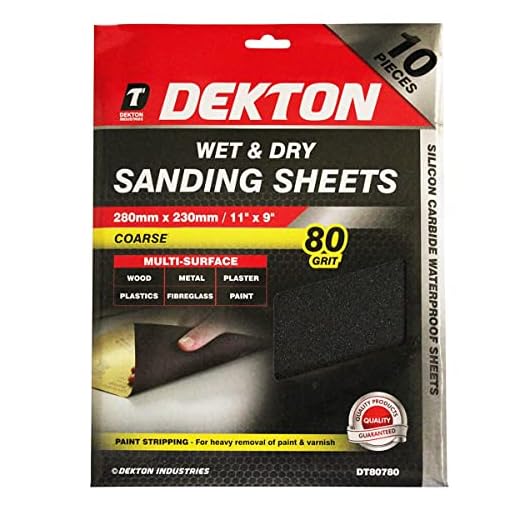
1. Choose the right grit: The grit of your sandpaper determines how much material will be removed and the finish you will achieve. Start with a lower grit to remove the paint, then switch to a higher grit for a smoother finish.
2. Use a lightweight sander: Opt for a lightweight sander that allows you to have better control and maneuverability. This will make the sanding process easier and more efficient.
3. Work in small sections: Divide the surface you need to sand into smaller sections. Focus on one section at a time, applying consistent pressure and working in a back-and-forth motion. This ensures that you cover the entire area evenly and effectively.
4. Keep the sander moving: Avoid keeping the sander in one spot for too long as it can cause uneven sanding or damage the surface. Keep the sander moving at a steady pace to achieve a uniform result.
5. Watch out for edges and corners: Use a smaller sanding tool or sandpaper to sand hard-to-reach areas, edges, and corners. Be careful not to oversand these areas, as they can easily become damaged.
6. Use a vacuum or dust collection system: Sanding can create a lot of dust, so it’s important to have proper dust collection in place. Use a vacuum or a sander with a built-in dust collection system to minimize the amount of dust produced and keep your work area clean.
7. Wear protective gear: When sanding, always wear safety goggles and a dust mask to protect your eyes and respiratory system from dust particles. Additionally, consider wearing ear protection if your sander is loud.
8. Check your progress: Periodically stop and inspect your work to see if you have achieved the desired level of smoothness. This allows you to make any necessary adjustments and ensure that you haven’t missed any areas.
9. Finish with a fine sandpaper: Once you have removed the paint and achieved the desired smoothness, finish off the surface using a fine sandpaper for a polished finish. This step helps prepare the surface for painting or applying a new finish.
10. Clean and maintain your sander: After sanding, clean the sander thoroughly to remove any accumulated dust and debris. Regularly check and replace worn sandpaper to maintain the effectiveness of your sander.
By following these tips, you can ensure that your sanding process is effective, efficient, and yields professional-looking results.
Safety precautions when using a sander
- Wear protective gear such as safety glasses or goggles to protect your eyes from flying debris.
- Use a dust mask or respirator to protect your lungs from inhaling dust particles.
- Make sure the sander is in good working condition and has no loose parts or defects.
- Inspect the sanding surface for any nails, staples, or other objects that could pose a risk of injury.
- Secure the workpiece firmly in place before starting the sander to prevent it from shifting or moving during sanding.
- Avoid wearing loose clothing or jewelry that could get caught in the sander.
- Keep your hands away from the sanding area and always hold the sander with both hands for better control.
- Do not force the sander or apply excessive pressure as it may cause the sander to kick back or damage the workpiece.
- Always disconnect the sander from the power source before changing sandpaper or performing any maintenance.
- Keep the sander and its cord away from water or other liquids to prevent electrical shocks.
- Store the sander in a dry and secure place, out of reach of children.
Following these safety precautions will help ensure a safe and effective sanding experience with your sander.

Questions and answers
What is the purpose of sanding out paint using a sander?
The purpose of sanding out paint using a sander is to remove old paint or varnish from a surface and prepare it for refinishing or repainting.
What type of sander is suitable for sanding out paint?
A random orbital sander is typically the best choice for sanding out paint. It provides a smooth and even finish while minimizing the risk of leaving swirl marks.
Can I use a regular sander instead of a specialized paint sander?
While you can use a regular sander, it is not recommended for sanding out paint. Regular sanders may not provide the same level of control and precision needed for paint removal, and they can potentially damage the surface you are working on.
Do I need to wear protective gear when sanding out paint with a sander?
Yes, it is important to wear protective gear when sanding out paint with a sander. This includes safety goggles, a dust mask, and ear protection. These precautions help protect you from flying debris, harmful dust particles, and excessive noise.
What steps should I follow when sanding out paint using a sander?
When sanding out paint using a sander, you should start by preparing the area and wearing protective gear. Then, choose the appropriate grit sandpaper for your project and attach it to the sander. Begin sanding in a back-and-forth or circular motion, applying even pressure. Once the paint is removed, clean up any dust and debris, and inspect the surface for any additional sanding or touch-ups.


Meet Harrison Clayton, a distinguished author and home remodeling enthusiast whose expertise in the realm of renovation is second to none. With a passion for transforming houses into inviting homes, Harrison's writing at https://hutsrenovations.co.uk/ brings a breath of fresh inspiration to the world of home improvement. Whether you're looking to revamp a small corner of your abode or embark on a complete home transformation, Harrison's articles provide the essential expertise and creative flair to turn your visions into reality. So, dive into the captivating world of home remodeling with Harrison Clayton and unlock the full potential of your living space with every word he writes.