
How To Use A Belt Sander On A Door



When it comes to refinishing a door, using a belt sander can be a game-changer. Whether you want to remove old paint, smooth out rough surfaces, or achieve a flawless finish, a belt sander is a powerful tool that can help you achieve professional results. However, using a belt sander on a door requires careful technique to avoid damaging the wood or creating uneven surfaces. In this article, we will guide you through the step-by-step process of using a belt sander on a door, so you can achieve the desired outcome without any hiccups.
Step 1: Prepare the door
Before you start using the belt sander, it’s important to prepare the door properly. Remove any hardware, such as handles or hinges, that may interfere with the sanding process. Make sure the door is clean and free from any dirt or dust. It’s also a good idea to cover any adjacent surfaces or furniture with plastic sheets to protect them from the sanding dust.
Step 2: Choose the right sandpaper

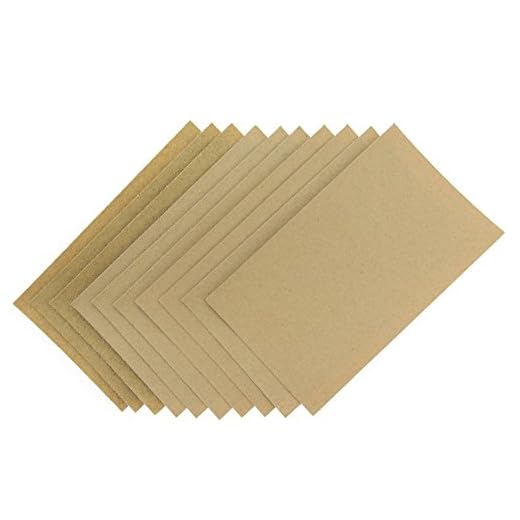
Choosing the right sandpaper grit is crucial for achieving the desired result. If you are removing old paint or finish, start with a coarse grit, such as 80 or 100. If you want to smooth out rough surfaces, a medium grit, such as 120 or 150, will work well. For final smoothing and preparing the surface for painting or staining, a fine grit, such as 220, is recommended. Make sure to replace the sandpaper if it becomes worn or clogged during the sanding process.
Step 3: Proper sanding technique
When using a belt sander on a door, it’s important to use the right technique to avoid damaging the wood. Hold the sander firmly with both hands and move it in the direction of the grain. Applying too much pressure or sanding against the grain can create gouges and scratches on the surface. Start with a coarse grit to remove any old paint or finish, and gradually work your way up to a finer grit for a smoother surface. Remember to keep the sander moving at all times to avoid creating uneven spots or sanding too much in one area.
Step 4: Finish the process
Once you have achieved the desired surface, it’s time to finish the process. Remove the dust created during sanding with a vacuum or a soft brush. Wipe the door down with a damp cloth to remove any remaining dust. If you plan to paint or stain the door, make sure to apply a primer or wood conditioner to ensure proper adhesion. Finally, apply the paint or stain according to the manufacturer’s instructions and allow it to dry completely before reattaching the hardware and hanging the door back in place.
Using a belt sander on a door can be a straightforward process if you follow the right steps and use the proper technique. With patience and attention to detail, you can transform an old or worn-out door into a beautiful, smooth surface that adds value and beauty to your home.
Preparing the door for sanding
Before you start sanding the door with a belt sander, it is important to properly prepare the surface. This will ensure that the sanding process goes smoothly and that you achieve the desired results. Here are some steps to follow:
Gather necessary tools and materials
Make sure you have all the tools and materials you will need for the job. This may include a belt sander, sandpaper of various grits, a dust mask, safety goggles, and a workbench or sawhorses to support the door.
Remove hardware and protect surrounding areas
Take off any hardware from the door, such as hinges, doorknobs, or latch plates. This will make it easier to sand the door and prevent any damage to the hardware. Additionally, cover any surrounding areas with a drop cloth or plastic sheeting to protect them from dust or potential damage.
Clean the door
Thoroughly clean the door using a mild detergent and water solution. This will help remove any dirt, grease, or grime from the surface. Use a sponge or soft cloth to scrub the door, paying attention to any particularly dirty areas. Rinse the door with clean water and allow it to dry completely before proceeding.
Inspect and repair any damage
Closely inspect the door for any dents, scratches, or other damage. If you notice any imperfections, use a wood filler or putty to fill in the damaged areas. Allow the filler to dry according to the manufacturer’s instructions, and then sand it smooth with fine-grit sandpaper.
| Tip |
|---|
| Consider using a wood conditioner before sanding, especially if you are working with a type of wood that is prone to blotching or uneven absorption of stains or finishes. This will help create a more even and professional-looking finished result. |
By taking the time to properly prepare the door for sanding, you will set the stage for a successful sanding and refinishing project. This will help you achieve a smooth and even surface that is ready for staining or painting.
Sanding the door’s surface
Once you have prepared the door by removing any hardware and applying painter’s tape to protect any adjacent surfaces, it’s time to start sanding the door’s surface. This step is crucial to ensure a smooth and even finish.
Start by using a medium-grit sandpaper, such as 120-grit, to sand the entire surface of the door. Hold the belt sander securely with both hands and move it in the direction of the wood grain. Be careful not to apply too much pressure, as this can result in gouging the wood.
Work your way across the door, paying extra attention to any rough or uneven areas. Continue sanding until the surface is smooth and any imperfections or old finishes have been removed.
Once you have sanded the entire door with the medium-grit sandpaper, switch to a finer-grit sandpaper, such as 220-grit. This will further smooth out the surface and remove any remaining scratches or marks left by the previous sanding.
Again, move the belt sander in the direction of the wood grain and apply light pressure. Take your time and focus on achieving an even and consistent finish on the entire door’s surface.
After sanding with the finer-grit sandpaper, you can further refine the surface by hand sanding with a sanding block or sandpaper wrapped around a wooden block. This will allow you to reach any tight or curved areas that the belt sander may have missed.
Remember to periodically clean the sandpaper or replace it if it becomes clogged with dust. This will ensure that the sandpaper remains effective and allows you to achieve the best results.
Blending in imperfections
When using a belt sander on a door, it is important to be mindful of any imperfections or blemishes on the surface. These imperfections may include scratches, dents, or unevenness. While the goal is to achieve a smooth and even finish, completely removing these imperfections may not always be possible or desirable.

Blending in imperfections involves sanding the surrounding area of the imperfection to create a smoother transition and make it less noticeable. This technique helps to maintain the overall appearance of the door while minimizing the visibility of the imperfections.
Here are some tips for blending in imperfections:
- Sand with a light touch: When working on the area around an imperfection, it is important to apply less pressure to the sander. This will help prevent over-sanding and damaging the surrounding surface.
- Use a finer grit sandpaper: Switching to a finer grit sandpaper can help achieve a smoother finish and blend in imperfections more effectively. Start with a coarser grit to remove any major imperfections, then gradually move to a finer grit for blending.
- Use circular motions: Instead of sanding back and forth in a straight line, use circular motions to create a more natural blending effect. This helps to feather out the sanded area and seamlessly integrate it with the surrounding surface.
- Inspect and repeat if necessary: After sanding, inspect the area closely to see if the imperfection is less noticeable. If needed, repeat the sanding process with a lighter touch and finer grit sandpaper until the desired blending is achieved.
Remember, blending in imperfections is a skill that comes with practice. Take your time, work carefully, and always test on a small inconspicuous area before applying the technique to the entire door surface.
Finishing touches
Once you have sanded the door to your desired smoothness, it’s time to add those finishing touches that will truly bring out the beauty of the wood. Here are a few steps you can follow to achieve that professional-looking finish:
| Step 1: | Wipe down the door with a damp cloth to remove any sanding dust or debris. |
| Step 2: | Apply a wood conditioner to the surface of the door. This will help the stain or finish penetrate more evenly, resulting in a more uniform appearance. |
| Step 3: | Stain or paint the door using a brush or foam applicator. Make sure to work in long, even strokes and follow the grain of the wood for the best results. |
| Step 4: | Allow the stain or paint to dry completely according to the manufacturer’s instructions. |
| Step 5: | Apply a clear topcoat or sealer to protect the finish and enhance the durability of the door. Follow the instructions on the product for proper application. |
| Step 6: | Inspect the door for any missed spots or imperfections. If necessary, lightly sand those areas and apply another coat of stain, paint, or sealer. |
| Step 7: | Allow the final coat to dry completely before reinstalling the door. |
By following these steps, you can ensure that your door looks polished and professional after using a belt sander. Remember to always wear protective gear, such as goggles and a mask, when sanding or applying finishes.

Questions and answers
Can I use a belt sander to sand a door?
Yes, a belt sander can be used to sand a door. It is an efficient tool for removing large amounts of material quickly.
What are the steps to use a belt sander on a door?
First, make sure to secure the door on a stable work surface. Then, hold the belt sander with both hands and slowly move it along the surface of the door, following the grain. Apply even pressure and keep the sander moving to avoid creating uneven spots. Repeat the process until the desired smoothness is achieved.

Should I remove the door from its hinges before using a belt sander?
It is not necessary to remove the door from its hinges when using a belt sander. However, if you feel more comfortable working on the door while it is laid flat on a workbench or sawhorses, you can remove it.
What safety precautions should I take when using a belt sander on a door?
When using a belt sander, it is important to wear safety goggles, a dust mask, and ear protection to protect yourself from flying debris and loud noise. Additionally, make sure to keep your hands away from the belt and avoid wearing loose clothing that could get caught in the machine.
What grit sandpaper should I use with a belt sander on a door?
The grit of sandpaper you use will depend on the condition of the door and the level of smoothness you want to achieve. For initial sanding, you may start with a coarse grit, such as 80 or 100, and gradually move to finer grits, such as 120 or 150, for a smoother finish.


Meet Harrison Clayton, a distinguished author and home remodeling enthusiast whose expertise in the realm of renovation is second to none. With a passion for transforming houses into inviting homes, Harrison's writing at https://hutsrenovations.co.uk/ brings a breath of fresh inspiration to the world of home improvement. Whether you're looking to revamp a small corner of your abode or embark on a complete home transformation, Harrison's articles provide the essential expertise and creative flair to turn your visions into reality. So, dive into the captivating world of home remodeling with Harrison Clayton and unlock the full potential of your living space with every word he writes.