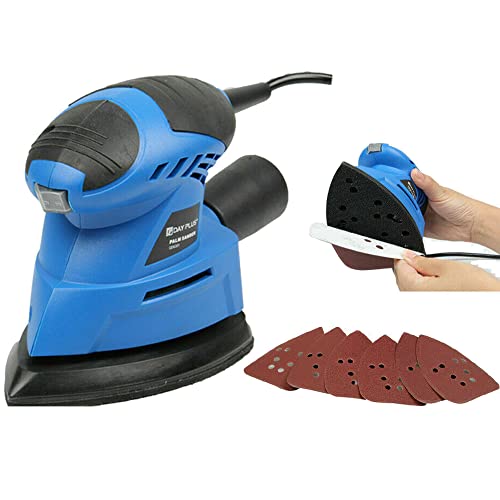
How To Use A Black And Decker Belt Sander


The Black and Decker Belt Sander is a versatile tool that can be used for a variety of woodworking tasks. Whether you are looking to sand a large surface or refine intricate details, this power tool is designed to provide efficient and precise sanding results.
Before using the Black and Decker Belt Sander, it is important to familiarize yourself with its features and functionality. The sander comes with a powerful motor that delivers high-speed sanding, while the adjustable belt tracking system ensures consistent performance.
To start using the belt sander, first ensure that you have selected the appropriate grit sandpaper belt for your project. Lower grit belts are more coarse and should be used for rough sanding, while higher grit belts are finer and ideal for smoothing and finishing.
Next, securely attach the sandpaper belt to the sander’s belt pulleys and turn on the power button. Holding the sander with both hands, gently press the sanding belt against the surface you want to sand. Move the sander in the direction of the grain, exerting even pressure to achieve an even finish.

As you use the Black and Decker Belt Sander, it is important to keep the tool in motion to prevent uneven sanding or damage to the surface. Avoid applying excessive pressure, as this can cause the belt to wear out quickly and result in an uneven finish.
Remember to periodically check the sandpaper belt for wear and tear, and replace it as necessary. Additionally, always wear appropriate safety gear, such as safety glasses and a dust mask, to protect yourself from flying debris and inhalation of dust.
By following these steps and practicing proper safety precautions, you can confidently use the Black and Decker Belt Sander to achieve professional-looking results on your woodworking projects.
Choosing the Right Sandpaper
When using a Black and Decker belt sander, selecting the appropriate sandpaper is crucial for achieving the desired results. Different sandpapers have different grit sizes, which determine their level of coarseness or fineness. Here are a few things to consider when choosing sandpaper for your belt sander:
1. Grit Size: Sandpapers are categorized by their grit size, which refers to the number of abrasive particles on the sandpaper per square inch. The higher the grit number, the finer the sandpaper. If you need to remove a lot of material or level a rough surface, a lower grit (coarse) sandpaper, such as 40 or 60, will work well. For smoothing surfaces and preparing for finishing, a higher grit (fine) sandpaper, such as 120 or 220, is more appropriate.
2. Material to Be Sanded: Consider the material you will be sanding. Different materials may require different grit sizes. For example, softwoods like pine may require a lower grit sandpaper, while harder woods like oak or maple may need a higher grit sandpaper. Metal surfaces may require a different type of sandpaper altogether, such as sanding belts specifically designed for metal.
3. Project Goal: Determine the goal of your project. If you are looking to remove a previous finish or want to achieve a rougher texture, you may need a coarser sandpaper. If you are trying to achieve a smooth, polished surface, a finer grit sandpaper will be necessary. Consider the final look and feel you are aiming for when choosing the appropriate sandpaper.
4. Compatibility with Your Belt Sander: Ensure that the sandpaper you choose is compatible with your Black and Decker belt sander. Sandpapers typically come in specific sizes and shapes to fit different types of sanders. Check the specifications of your sander to select the correct sandpaper size and type.
Remember to always follow the manufacturer’s recommendations for your specific Black and Decker belt sander model, as they may have specific guidelines for sandpaper selection and usage. By choosing the right sandpaper, you can ensure that your belt sander operates effectively and delivers the desired results for your project.
Proper Handling and Safety Measures
Using a Black and Decker belt sander can be a productive and efficient way to tackle sanding projects. However, it is essential to follow proper handling and safety measures to ensure a successful outcome and prevent accidents or injuries. Here are some guidelines to keep in mind:
| Safety Measure | Explanation |
|---|---|
| Wear Protective Gear | Always wear safety glasses, a dust mask, and ear protection when operating the belt sander to protect yourself from dust, debris, and loud noise. |
| Secure the Workpiece | Ensure that the workpiece or material is properly clamped or secured to avoid it from moving or slipping during the sanding process, which can lead to accidents or damage. |
| Choose the Right Sanding Belt | Select the appropriate sanding belt grit depending on the material and level of sanding needed. Using the wrong grit can result in ineffective sanding or damage to the workpiece. |
| Start Slowly | Begin sanding at a slow speed and gradually increase it as you become more comfortable and confident in handling the belt sander. This helps maintain control and prevents the sander from getting away from you. |
| Keep both Hands on the Sander | Always grip the belt sander firmly with both hands while in use. This provides stability and control, reducing the risk of accidents or injury. |
| Move Against the Grain | When sanding, move the belt sander against the grain of the wood or material. This helps achieve a smoother finish and prevents any potential damage caused by sanding with the grain. |
| Avoid Applying Excessive Pressure | Let the belt sander’s weight and rotation do the work for you. Applying too much pressure can lead to uneven sanding, damage to the workpiece, or strain on the sander’s motor. |
| Keep the Sander Flat | Maintain an even and flat position of the sander while sanding. Tilting or angling the sander can result in an uneven surface or cause the belt to come off. |
| Take Breaks and Ventilate | Take regular breaks during extended sanding sessions to prevent fatigue and muscle strain. Additionally, ensure the work area is well-ventilated to minimize exposure to dust and fumes. |
| Proper Storage | When finished with the belt sander, unplug it and store it in a secure and dry location away from the reach of children. Keep the sander and its accessories organized to prevent damage and maintain their longevity. |
By following these proper handling and safety measures, you can confidently and safely use a Black and Decker belt sander to achieve professional-level results in your sanding projects.
Techniques for Effective Sanding
Using a Black and Decker Belt Sander effectively requires proper technique to achieve smooth and even results. Here are some tips to help you get the most out of your belt sander:
1. Choose the Right Grit
The first step in effective sanding is to choose the right grit for the job. Coarser grits, such as 80 or 100, are ideal for removing a lot of material quickly. Finer grits, like 120 or 150, are better suited for finish sanding and achieving a smooth surface.
2. Maintain a Steady Pressure
When sanding with a belt sander, it’s important to apply an even and steady pressure to the workpiece. Too much pressure can cause the sander to dig into the material, while too little pressure can result in uneven sanding.
Pro Tip: To avoid creating gouges or uneven spots, keep the sander moving in a back-and-forth motion, never letting it sit in one spot for too long.
3. Follow the Wood Grain
For the best results, always sand in the direction of the wood grain. Sanding against the grain can leave visible scratches and damage the surface. Take the time to examine the wood and sand with the grain to achieve a smooth and polished finish.
4. Be Mindful of Edges
When sanding near the edges of a workpiece, be extra careful to avoid sanding too much or rounding off the corners. A good technique is to use a lighter touch and apply less pressure when approaching the edges to prevent accidental damage.
Remember: It’s always better to sand multiple times with a finer grit than to sand too aggressively and risk irreversible damage.
By employing these techniques, you can make the most of your Black and Decker Belt Sander and achieve professional-level results in all your sanding projects.
Questions and answers
What is a belt sander and how does it work?
A belt sander is a power tool that uses a sanding belt to remove material from a surface. It works by rotating the sanding belt in a continuous loop, while the user guides the tool over the material to be smoothed or shaped. The sanding belt is made of abrasive material, usually aluminum oxide, and is available in different grits to achieve different levels of smoothness.
Can I use a Black and Decker belt sander on any surface?
A Black and Decker belt sander is versatile and can be used on various surfaces, including wood, metal, plastic, and even some types of masonry. However, it is important to adjust the speed and pressure of the sander according to the material being worked on. It is recommended to test the sander on a small, inconspicuous area first to ensure it is suitable for the specific surface.


Meet Harrison Clayton, a distinguished author and home remodeling enthusiast whose expertise in the realm of renovation is second to none. With a passion for transforming houses into inviting homes, Harrison's writing at https://hutsrenovations.co.uk/ brings a breath of fresh inspiration to the world of home improvement. Whether you're looking to revamp a small corner of your abode or embark on a complete home transformation, Harrison's articles provide the essential expertise and creative flair to turn your visions into reality. So, dive into the captivating world of home remodeling with Harrison Clayton and unlock the full potential of your living space with every word he writes.