Why Does My Sander Leave Swirl Marks



Sanding is an essential step in many woodworking and refinishing projects. It helps smoothen the surface and prepares it for painting, staining, or finishing. However, if you’ve noticed unsightly swirl marks on your workpiece after sanding, you may be wondering what could be causing this issue.
Swirl marks are circular or semi-circular scratches that appear on the surface of wood or other materials after sanding. They can be frustrating, especially when you’ve put in a lot of effort into achieving a smooth finish. Several factors can contribute to the formation of swirl marks, from the type of sander you’re using to the sanding technique you employ.
One of the main culprits behind swirl marks is using an inappropriate sanding grit. When sanding, it’s important to use the right grit size for each stage of the sanding process. Starting with a coarse grit and gradually progressing to finer grits can help prevent swirl marks. Using too fine of a grit too early can cause the sander to glide over the surface instead of efficiently removing material, resulting in swirl marks.

Another factor that can contribute to swirl marks is the speed at which you’re operating the sander. Sanding too quickly can generate heat, causing the sandpaper to become less effective and potentially leaving swirl marks behind. It’s crucial to maintain a consistent speed and let the sander do the work, allowing it to remove material evenly without creating circular patterns.
Understanding the Issue
Swirl marks left by a sander can be frustrating, especially when you’re trying to achieve a smooth and flawless finish on your woodwork or other surfaces. It’s important to understand why these swirl marks occur in order to prevent them and achieve the desired result.
Poor Sanding Technique
One of the common causes of swirl marks is poor sanding technique. If you apply too much pressure on the sander or sand in a circular motion, you’re likely to leave behind visible swirl marks. It’s important to maintain a consistent pressure and sand in straight, parallel strokes to achieve a uniform finish.
Incorrect Grit Selection
Using the wrong grit sandpaper can also result in swirl marks. If you start with a grit that is too coarse, it can leave deeper scratches on the surface that are difficult to remove with finer grits. On the other hand, using sandpaper that is too fine can cause the sander to glide over the surface without adequately abrading it, resulting in inconsistent sanding and swirl marks.
Tip: It’s recommended to start with a medium grit sandpaper and gradually work your way up to finer grits for a smooth and even finish.
By understanding and addressing these common issues, you can minimize the occurrence of swirl marks and achieve professional-looking results with your sander.
Common Causes of Swirl Marks
Swirl marks on the surface of your sanded material can be frustrating, especially if you are looking for a smooth finish. There are several common causes of swirl marks when using a sander:
1. Incorrect sandpaper grit: Using the wrong grit sandpaper can lead to swirl marks. If the grit is too fine, it may not be able to remove the imperfections and create a smooth surface. Conversely, if the grit is too coarse, it can create deep scratches that are difficult to remove.
2. Sanding too quickly: Applying too much pressure or moving the sander too quickly over the surface can cause swirl marks. Take your time and move the sander in a slow, controlled manner to achieve a smoother finish.
3. Insufficient sanding: Not sanding the surface enough can also result in swirl marks. Make sure to sand the material thoroughly, taking care to remove any imperfections or rough spots before moving on to finer grits.
4. Using worn-out sandpaper: As sandpaper becomes worn-out, it can lose its ability to remove material effectively. This can lead to swirl marks as the sander struggles to smooth the surface. Replace sandpaper regularly to avoid this issue.
5. Incorrect technique: Using the sander at the wrong angle or not maintaining a steady motion can cause swirl marks. It’s important to use the correct technique for your particular sander and pay attention to the direction of the wood grain.
6. Inadequate dust extraction: Dust particles can become trapped between the sandpaper and the surface, resulting in swirl marks. Make sure to use a sander with efficient dust extraction or periodically clean the sandpaper to prevent this issue.
By identifying and addressing these common causes, you can minimize or eliminate swirl marks when sanding with a sander, resulting in a smoother and more professional-looking finish.
How to Minimize Swirl Marks
To minimize the occurrence of swirl marks when using a sander, you can follow these tips:
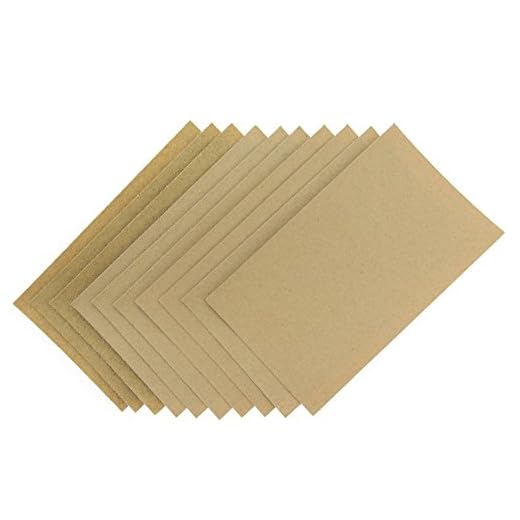
- Choose the right sandpaper grit: Start with a coarser grit to remove any imperfections or old finish, and gradually progress to a finer grit to create a smooth surface.
- Prepare the surface: Ensure the surface is clean and free of any dust or debris that could cause scratches. Use a tack cloth to wipe away any particles.
- Proper sanding technique: Apply even pressure and avoid leaning on the sander, which can cause imprints. Move the sander in a back-and-forth or circular motion, following the grain of the wood.
- Regular sandpaper changes: Replace the sandpaper frequently, especially if it becomes clogged with debris. Clogged sandpaper can lead to more swirl marks.
- Sanding block or sanding sponge: Consider using a sanding block or sanding sponge for manual sanding. These tools provide more control and minimize the chances of creating swirl marks.
- Take your time: Rushing through the sanding process can lead to more mistakes and swirl marks. Take your time, apply consistent pressure, and maintain a steady sanding motion.
- Inspect your work: After sanding, use a bright light source to inspect the surface for any remaining swirl marks. If you notice any, repeat the sanding process with a finer grit sandpaper.
- Final sanding: Before applying any finishes or coatings, give the surface a final light sanding with a very fine grit sandpaper to ensure a smooth, swirl-free finish.
- Clean properly: After sanding, make sure to clean the surface thoroughly to remove any sanding dust or residue that could affect the final finish.
- Practice on a scrap piece: If you’re new to sanding, it’s always a good idea to practice on a scrap piece of wood to familiarize yourself with the sander and develop your technique before working on your project.
By following these steps and using proper sanding techniques, you can minimize the occurrence of swirl marks and achieve a smooth, professional finish with your sander.
Choosing the Right Sander for the Job
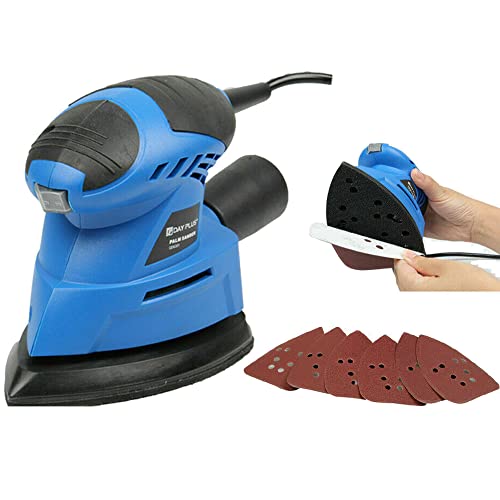
When it comes to sanding, using the right sander for the job is crucial in achieving a smooth and swirl-free finish. There are various types of sanders available, each with their own unique capabilities and functions:
1. Orbital Sander
An orbital sander is a versatile tool that is great for most sanding applications. It operates by moving in small, circular motions, which helps to prevent swirl marks. Orbital sanders are suitable for use on a wide range of materials and can handle both fine and rough surfaces.
2. Random Orbital Sander
A random orbital sander is similar to an orbital sander but with a more random sanding pattern. This type of sander combines both orbital and rotary movements, resulting in extremely smooth finishes with minimal swirl marks. It is particularly effective for removing stock quickly and blending edges.
Note: When using a random orbital sander, be sure to select the appropriate grit sandpaper for the task at hand. Starting with a coarser grit and gradually moving to finer grits will help eliminate swirl marks.
3. Belt Sander
A belt sander is a powerful tool known for its aggressive sanding capabilities. It uses a continuous loop of sandpaper that moves rapidly to remove material quickly. While belt sanders excel at stock removal, they may leave behind more noticeable swirl marks due to their aggressive nature. Therefore, it is important to exercise caution when using a belt sander and follow up with a finer grit sander for a smooth finish.
Tip: If you choose to use a belt sander, consider using a finer grit sandpaper and finish with an orbital or random orbital sander to minimize swirl marks.

Ultimately, choosing the right sander for the job depends on the specific requirements of your project. It is always recommended to test the sander on a scrap piece of material before proceeding to ensure that you achieve the desired results. Remember to follow proper sanding techniques and use the appropriate grit sandpaper to achieve a flawless finish with minimal to no swirl marks.
Questions and answers
Why does my sander leave swirl marks?
Swirl marks can be caused by a few different factors. One common cause is using sandpaper with a grit that is too coarse for the material you are working on. Another cause can be applying too much pressure to the sander. Additionally, if the sandpaper is not properly aligned or if the sander is moved too quickly, it can also result in swirl marks.
How can I prevent swirl marks when using a sander?
To prevent swirl marks when using a sander, there are a few things you can do. First, make sure you are using the correct sandpaper grit for the material you are working on. Start with a coarser grit and gradually work your way to a finer grit. It’s also important to apply even pressure to the sander and avoid pressing too hard. Additionally, be sure to properly align the sandpaper and move the sander at a steady pace. Taking these precautions can help avoid swirl marks and achieve a smooth finish.

What should I do if my sander leaves swirl marks?
If your sander leaves swirl marks, there are a few steps you can take to fix the issue. First, try using a finer grit sandpaper to remove the existing swirl marks. Start with a coarse grit and gradually work your way to a finer grit until the swirl marks are no longer visible. It may also help to sand in a circular motion to blend the sanded area with the surrounding surface. Once you have removed the swirl marks, be sure to properly clean the surface and apply an appropriate finish or sealer to achieve a smooth, polished look.



Meet Harrison Clayton, a distinguished author and home remodeling enthusiast whose expertise in the realm of renovation is second to none. With a passion for transforming houses into inviting homes, Harrison's writing at https://hutsrenovations.co.uk/ brings a breath of fresh inspiration to the world of home improvement. Whether you're looking to revamp a small corner of your abode or embark on a complete home transformation, Harrison's articles provide the essential expertise and creative flair to turn your visions into reality. So, dive into the captivating world of home remodeling with Harrison Clayton and unlock the full potential of your living space with every word he writes.