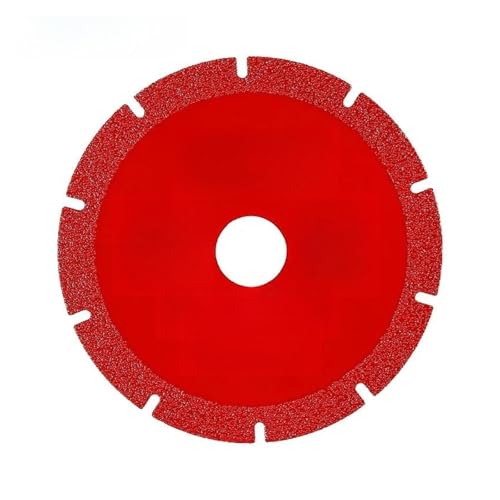
Are Circular Saw Blades Universal


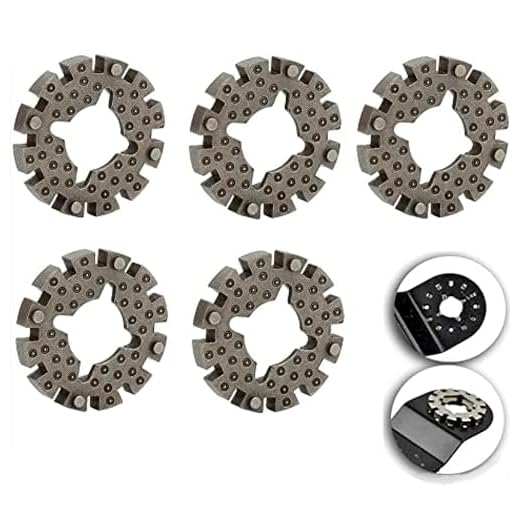

When it comes to circular saw blades, many people wonder if they are universal and can be used with any circular saw. The answer to this question is not as straightforward as it may seem. While there are some universal circular saw blades that can fit most saws, not all blades are interchangeable.
The first thing to consider is the size of the blade. Circular saw blades come in different diameters, typically ranging from 6.5 inches to 10 inches. It is important to choose a blade that matches the size of your circular saw. Using a blade that is too large or too small can be unsafe and lead to poor cutting performance.
Another factor to consider is the arbor size. The arbor is the center hole in the blade that fits onto the circular saw’s mandrel. Arbor sizes can vary, and it is essential to select a blade with the correct arbor size for your saw. Using a blade with the wrong arbor size can result in wobbling, vibrations, and a dangerous cutting experience.
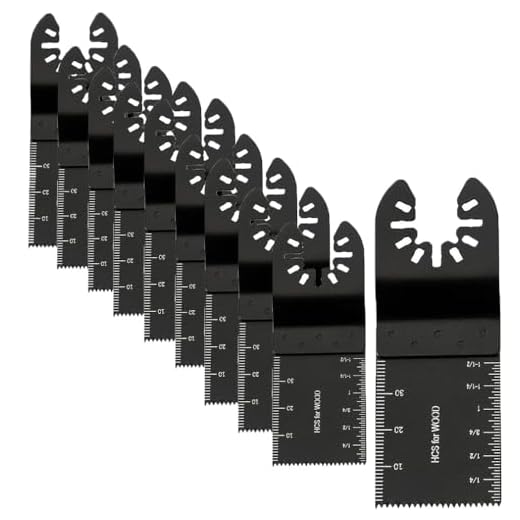
Additionally, the type of blade also matters. There are different types of circular saw blades designed for specific materials such as wood, metal, or masonry. Using the wrong type of blade for a specific material can lead to inefficient cutting and potential damage to the blade or saw.
In conclusion, while there are some universal circular saw blades that can fit most saws, it is crucial to consider the size, arbor size, and type of blade to ensure compatibility and optimal cutting performance. Investing in the right blade for your specific needs will result in safer and more efficient cutting.
The Versatility of Circular Saw Blades
Circular saw blades are an essential tool for any woodworker or DIY enthusiast. These blades owe their versatility to their design and the materials used to make them.
1. Types of Circular Saw Blades
There are various types of circular saw blades available, each designed for specific cutting tasks. Some of the most common types include:
- Rip blades: These blades are designed to make long, smooth cuts along the grain of the wood.
- Crosscut blades: Crosscut blades are used to make cuts across the grain of the wood, producing clean and precise edges.
- Combination blades: Combination blades are a versatile option that can handle both rip and crosscut tasks.
- Dado blades: Dado blades are used for making wide, flat-bottomed cuts, perfect for creating grooves and dado joints.
- Miter blades: Miter blades are designed for making angle cuts, commonly used in trim work and framing.
2. Blade Materials and Durability
Circular saw blades are typically made from various materials, each with its own advantages and applications:
- Carbon steel blades: These blades are budget-friendly and work well for general-purpose cutting. However, they tend to dull quickly and require frequent sharpening.
- High-speed steel (HSS) blades: HSS blades are more durable than carbon steel blades and can cut through tougher materials like plastic and aluminum.
- Carbide-tipped blades: Carbide-tipped blades feature carbide teeth, which are extremely hard and can withstand cutting through abrasive materials like laminates and hardwoods.
- Diamond blades: Diamond blades are used for cutting through materials like tile, brick, and concrete. The diamonds embedded in the blade’s edge provide excellent cutting performance.
Some blades are also designed for specific cutting applications, such as cutting metal or non-ferrous materials. These blades are typically made from specially treated steel or carbide blends to withstand the demands of these materials.
In conclusion, circular saw blades are highly versatile tools that can handle a wide range of cutting tasks. By choosing the right blade type and material, you can achieve clean, precise, and efficient cuts in various materials. Whether you are a professional woodworker or a DIY enthusiast, having a selection of quality circular saw blades in your toolkit is essential.
Understanding the Different Types of Circular Saw Blades
When it comes to choosing the right circular saw blade for your projects, it’s important to understand the different types available and their specific uses. Each type of blade is designed for a specific material or cutting technique, so selecting the right one is crucial for achieving clean and accurate cuts.
Rip Blades:
Designed specifically for ripping cuts, these blades have fewer teeth and larger gullets, making them ideal for cutting along the grain of the wood. Rip blades are perfect for quickly cutting through thick lumber.
Crosscut Blades:
Crosscut blades are designed for making cuts across the grain of the wood. They typically have more teeth and smaller gullets compared to rip blades, which allows for smoother and cleaner cuts.
Combination Blades:
Combination blades are versatile options that can handle both ripping and crosscutting tasks. These blades have a combination of rip and crosscut teeth, making them suitable for general woodworking purposes.
Thin Kerf Blades:
Thin kerf blades have narrower and thinner cutting profiles, resulting in less material waste and faster cuts. These blades are ideal for cutting thin materials such as laminate flooring and plywood.
Dado Blades:
Dado blades are specialized blades used for making dado cuts, which are wide and flat-bottomed slots. These blades consist of two outer blades and a set of chippers, allowing for precise and clean dado cuts.
Non-Ferrous Blades:
Non-ferrous blades are designed for cutting materials such as aluminum, brass, and copper. These blades typically have a special coating to prevent them from getting clogged or overheated during cutting.
Masonry Blades:
Masonry blades are specifically designed for cutting through materials like concrete, brick, and stone. These blades have diamond-tipped teeth that can withstand the hardness and abrasiveness of masonry materials.
Understanding the different types of circular saw blades is essential for choosing the right one for your woodworking projects. Each type of blade has its own strengths and limitations, so it’s important to consider the material you’ll be cutting and the type of cut you need to make before selecting a blade. Take the time to choose the right blade, and you’ll be rewarded with clean, accurate, and efficient cuts.
Factors to Consider when Choosing Circular Saw Blades
Choosing the right circular saw blade is essential for achieving accurate and clean cuts in your woodworking projects. Here are some key factors to consider when selecting a circular saw blade:
1. Blade Diameter: Circular saw blades come in various diameters, ranging from 4 inches to 12 inches or more. The blade diameter you choose should be compatible with your specific saw model. It’s important to check the manufacturer’s recommendations for the maximum blade diameter that your saw can accommodate.
2. Blade Material: Circular saw blades are typically made from different materials, such as carbide-tipped blades or high-speed steel blades. Carbide-tipped blades are more durable and retain their sharpness for a longer time, making them ideal for cutting through hard materials like hardwood or metal. High-speed steel blades are more affordable and suitable for cutting softer materials.
3. Number of Teeth: The number of teeth on a circular saw blade determines the cutting speed, smoothness, and versatility of the blade. Blades with a higher tooth count produce smoother cuts but may have a slower cutting speed. Blades with a lower tooth count are better for ripping through wood quickly but may leave rougher edges.
4. Blade Design: Circular saw blades come in different designs, such as rip blades, crosscut blades, combination blades, and specialty blades for specific tasks. Rip blades have fewer teeth and are designed for cutting along the grain. Crosscut blades have more teeth and are designed for cutting across the grain. Combination blades are versatile and can handle both ripping and crosscutting tasks. Specialty blades are designed for specific materials or tasks, such as cutting laminate or plywood.
5. Blade Kerf: Blade kerf refers to the thickness of the cut made by the blade. A thinner kerf produces less waste and requires less power, resulting in faster cutting and reduced strain on the motor. However, thinner kerfs may be more prone to deflection or bending. Thicker kerfs, on the other hand, may produce more waste but offer increased stability and durability.
6. Cutting Depth: The cutting depth of a circular saw blade determines the maximum thickness of material it can cut. It’s important to choose a blade with a cutting depth that matches your project requirements. Keep in mind that using a blade with a larger cutting depth than necessary can result in slower and less accurate cuts.
7. Brand and Quality: Investing in a reputable brand and high-quality circular saw blade can make a significant difference in the performance and longevity of the blade. Cheaper blades may wear out quickly, produce inferior cuts, or even pose safety risks. It’s worth paying a little extra for a reliable and durable blade that will deliver consistent results.
By considering these factors, you can make an informed decision and choose the right circular saw blade that best suits your needs and ensures accurate and efficient cuts in your woodworking projects.
Compatibility with Circular Saws
Circular saw blades come in a variety of sizes, styles, and materials, each designed for specific cutting tasks. When it comes to compatibility with circular saws, there are a few factors to consider.
Diameter: Circular saw blades are available in different diameters, typically ranging from 5 1/2 inches to 12 inches. It’s important to choose a blade with a diameter that matches the size of your circular saw’s blade guard. Using a blade that is too large can lead to safety hazards and inefficient cutting.
Arbor size: The arbor size refers to the diameter of the hole in the center of the blade that fits onto the saw’s arbor. It’s crucial to ensure that the arbor size matches the arbor on your circular saw. Using a blade with a different arbor size can result in improper fitting and potential accidents. Most circular saws have an arbor size of 5/8 inch, but some models may have a different size.
Blade type: Circular saw blades vary in their tooth count and shape, which affects the cutting ability and finish of the material. Different blade types are suited for cutting wood, metal, plastic, or other materials. It’s important to select a blade that is specifically designed for the material you intend to cut.
Maximum speed rating: Circular saw blades have a maximum speed rating, which refers to the highest speed the blade can safely rotate. Make sure that the maximum speed rating of the blade is compatible with the maximum speed of your circular saw. Using a blade with a lower speed rating can lead to blade damage or breakage, while using a blade with a higher speed rating can be dangerous.
In conclusion, not all circular saw blades are universal and compatible with every circular saw. It’s essential to consider factors such as diameter, arbor size, blade type, and maximum speed rating to ensure a proper fit and safe operation. Always refer to the manufacturer’s guidelines and recommendations when choosing a circular saw blade for your specific cutting needs.
Tips for Proper Maintenance and Care of Circular Saw Blades
Maintaining and caring for your circular saw blades is essential for ensuring their longevity and optimal performance. Here are some helpful tips to keep in mind:
1. Clean the Blade Regularly
After each use, it is important to clean the blade to remove any built-up resin, sap, and debris. In order to do this, make sure the blade is completely cooled down. Then, using a soft brush or a cloth, gently scrub the surface of the blade to remove any residue. Avoid using harsh chemicals or abrasive materials that can damage the blade.
2. Sharpen the Blade as Needed
Over time, the cutting performance of your circular saw blade may decrease due to dullness. If you notice that the blade is not cutting smoothly or is leaving uneven edges, it may be time to sharpen it. You can either take the blade to a professional sharpening service or do it yourself using a diamond file or a specialized sharpening tool. Follow the manufacturer’s instructions for the proper sharpening technique.
3. Store the Blade Properly
When not in use, it is important to store the circular saw blade in a dry and clean environment. Avoid leaving it exposed to moisture or extreme temperatures, as this can cause rusting or warping. Consider using blade storage cases or protective sleeves to keep the blade safe and secure.
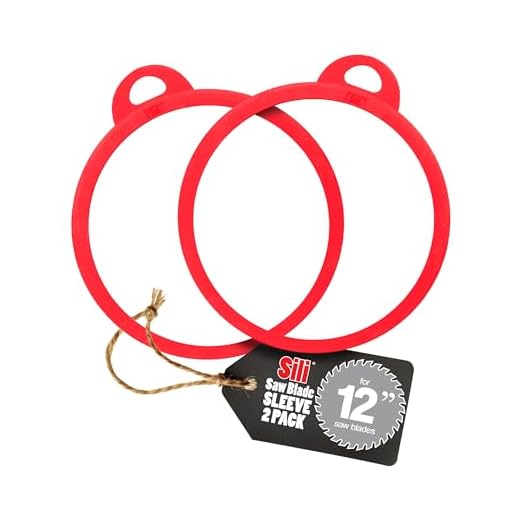
4. Handle the Blade with Care
When handling the circular saw blade, always wear protective gloves to prevent any accidental injuries. Avoid dropping or mishandling the blade, as this can cause damage or lead to blade misalignment. Additionally, be cautious when installing or removing the blade to prevent any cuts or injuries.
| Do’s | Don’ts |
|---|---|
| – Do inspect the blade for any visible damages before each use. | – Don’t force the blade through the material, as it can cause overheating and damage. |
| – Do use the correct blade for the specific material you are cutting. | – Don’t use the saw without first checking that all the blade’s teeth are intact. |
| – Do follow the manufacturer’s instructions for blade installation and use. | – Don’t use a damaged or bent blade, as it can lead to safety hazards. |
By following these maintenance and care tips, you can ensure that your circular saw blades last longer, perform better, and provide you with precise and clean cuts every time.
Questions and answers
Are circular saw blades universal?
No, circular saw blades are not universal. They come in different sizes and have different tooth configurations, which are designed for specific cutting tasks.
What are the different sizes of circular saw blades?
Circular saw blades come in various sizes, typically ranging from 5 inches to 12 inches in diameter. The size of the blade you need will depend on the type of saw you are using and the thickness of the material you are cutting.
Can I use any circular saw blade on any saw?
No, you cannot use any circular saw blade on any saw. Different saws have different arbor sizes, which is the hole in the center of the blade that fits onto the saw’s spindle. It is essential to use a blade with the correct arbor size for your specific saw.
What tooth configuration should I look for in a circular saw blade?
The tooth configuration you should look for in a circular saw blade depends on the material you are cutting. For general-purpose cutting, a blade with alternate top bevel (ATB) teeth is commonly used. However, if you are cutting specific materials such as plywood, laminate, or metal, there are specialized blades available with different tooth configurations.



Meet Harrison Clayton, a distinguished author and home remodeling enthusiast whose expertise in the realm of renovation is second to none. With a passion for transforming houses into inviting homes, Harrison's writing at https://hutsrenovations.co.uk/ brings a breath of fresh inspiration to the world of home improvement. Whether you're looking to revamp a small corner of your abode or embark on a complete home transformation, Harrison's articles provide the essential expertise and creative flair to turn your visions into reality. So, dive into the captivating world of home remodeling with Harrison Clayton and unlock the full potential of your living space with every word he writes.