
Best Weight For Band Saw Blade



Choosing the right weight for your band saw blade is crucial for achieving optimum performance and efficiency. The weight of the blade refers to its thickness, and it plays a significant role in determining the types of cuts you can make, as well as the overall longevity of the blade.
When selecting the weight of your band saw blade, you need to consider the type of material you’ll be cutting and the size of the blade. Heavier blades are better suited for thicker and harder materials, such as metal, while lighter blades are more suitable for cutting softer materials like wood or plastic. The weight of the blade affects its resilience and ability to withstand different cutting forces.
Another important factor to consider is the size of the blade. Thicker blades are generally more durable and resistant to bending, making them ideal for heavy-duty cutting tasks. On the other hand, thinner blades offer greater flexibility, allowing for tighter curves and intricate cuts. It’s crucial to find the right balance between the weight and size of the blade to ensure optimal performance and precision.
Overall, choosing the best weight for your band saw blade depends on the specific cutting needs and materials you’ll be working with. It’s important to understand the capabilities and limitations of different blade weights and select the one that best suits your requirements. By doing so, you can enhance the performance of your band saw and achieve accurate, clean cuts every time.
Understanding the Basics of Band Saw Blades
Band saw blades are an essential tool for cutting various materials in woodworking or metalworking projects. Understanding the basics of band saw blades can help you make informed decisions when choosing the right blade for your specific cutting needs.
Blade material: Band saw blades are made from various materials, including carbon steel, bi-metal, and carbide-tipped. Carbon steel blades are suitable for cutting wood, while bi-metal blades are more durable and can cut a wider range of materials, including metal and plastic. Carbide-tipped blades are the most durable and are typically used for heavy-duty cutting applications.
Tooth pitch: The tooth pitch refers to the distance between the teeth on the blade. The tooth pitch can be categorized as either coarse or fine. Coarse tooth pitch blades are ideal for fast cutting in thicker materials, while fine tooth pitch blades are better suited for precision cutting in thinner materials.
Tooth configuration: Band saw blades have different tooth configurations, such as regular, skip, or hook. Regular tooth blades have evenly spaced teeth, while skip tooth blades have wider gaps between the teeth. Hook tooth blades have a deep gullet between each tooth. The tooth configuration affects the cutting speed and the ability to clear the material chips during cutting.
Blade width and thickness: The width and thickness of a band saw blade determine its rigidity and stability during cutting. Thicker blades are stiffer and less likely to wander during cutting, while narrower blades are more maneuverable and can make tighter curves.
Tension: Proper tension is essential for the performance and durability of a band saw blade. The blade needs to be tensioned correctly to prevent it from twisting, bowing, or breaking during cutting. Follow the manufacturer’s recommendations for tensioning the blade correctly.
Understanding the basics of band saw blades can help you choose the right blade for your specific cutting needs, ensuring optimal performance and longevity. Consider the material, tooth pitch, tooth configuration, blade width and thickness, and tension when selecting a band saw blade for your cutting projects.
Benefits of Using the Proper Weight for a Band Saw Blade
The weight of a band saw blade plays a crucial role in its performance and the quality of cuts it can produce. Choosing the proper weight for your band saw blade can result in a myriad of benefits that improve your overall woodworking experience.
1. Increased cutting efficiency: Using the correct weight for your band saw blade allows for smoother and more precise cuts. A blade that is too light may cause wobbling and vibrations, leading to uneven cuts and potential damage to the workpiece. On the other hand, a blade that is too heavy may put excessive strain on the saw, reducing its cutting efficiency. By using the proper weight, you can achieve optimal cutting performance and efficiency.
2. Extended blade longevity: The weight of a band saw blade directly affects its durability and lifespan. A blade that matches the specific requirements of your band saw will have less wear and tear, resulting in a longer life. When the weight is properly balanced, the blade will experience reduced stress and fatigue, allowing it to withstand prolonged use without premature failure. This means fewer blade replacements and increased cost savings for woodworkers.
3. Improved safety: Using the right weight for your band saw blade also contributes to a safer working environment. A properly balanced blade minimizes the chances of kickbacks, where the workpiece gets thrown back towards the operator with great force. This reduces the risk of injuries and accidents during the cutting process. Additionally, a well-weighted blade ensures better control and stability, enhancing overall safety for the operator.
Choosing the best weight for your band saw blade is essential to optimize cutting performance, increase blade longevity, and promote a safer working environment. By understanding the benefits of using the proper weight, woodworkers can make informed decisions to enhance their woodworking projects and ensure a successful outcome.
Factors to Consider When Choosing the Best Weight for a Band Saw Blade
When selecting a band saw blade, it is important to consider various factors to ensure you choose the best weight for your specific cutting needs. The weight of the blade will greatly impact its performance and the quality of your cuts. Taking the time to consider these factors will help you find the optimal weight for your band saw blade.
One of the key factors to consider is the type of material you plan to cut. Different materials require different blade weights in order to achieve clean and precise cuts. For example, a heavy blade may be necessary for cutting through thick hardwoods, while a lighter blade may be more suitable for cutting metals or plastics. It is important to choose a blade weight that matches the density and thickness of the material you will be working with.
- Blade width: The width of the band saw blade also plays a role in determining the optimal weight. A wider blade will generally require more weight to provide stability and prevent deflection during the cutting process. Narrower blades, on the other hand, may require less weight but may be more prone to bending or breaking.
- Tooth configuration: The tooth configuration of the band saw blade should also factor into your weight selection. Blades with a higher tooth count or a more aggressive tooth design may require more weight to effectively penetrate the material and achieve clean cuts. Conversely, blades with fewer teeth or a more fine-toothed design may work best with lighter weights.
- Cutting speed: The desired cutting speed also influences the weight selection for a band saw blade. Higher cutting speeds may require heavier blades to ensure stability and prevent chatter or vibration. Lower cutting speeds, on the other hand, may be better suited for lighter blades.
By considering these factors, you can choose the best weight for your band saw blade based on the specific materials you will be cutting, the blade width, tooth configuration, and desired cutting speed. It is recommended to consult the manufacturer’s guidelines and experiment with different weights to find the optimal balance between stability, precision, and cutting performance.
Recommended Weight for Different Types of Cuts
When it comes to choosing the right weight for your band saw blade, it is important to consider the type of cut you will be making. Different cuts require different blade configurations to ensure optimal performance and accuracy.
Here is a summary of the recommended blade weight for various types of cuts:
Ripping Cuts
- Thin Ripping: For thin ripping cuts, where you need to remove a small amount of material, a lightweight blade with a thinner kerf is recommended. A blade weight of around 5-7 TPI (teeth per inch) is suitable for this type of cut.
- Medium Ripping: When making medium-depth ripping cuts, a slightly heavier blade is required to ensure smooth and precise cuts. A blade weight of around 3-5 TPI is recommended for this type of cut.
- Thick Ripping: For thick ripping cuts, where you need to remove a significant amount of material, a heavier blade with fewer teeth per inch is necessary. A blade weight of 2-3 TPI is ideal for this type of cut.
Crosscutting Cuts
- Fine Crosscutting: When making fine crosscuts, where smooth and splinter-free cuts are crucial, a thin-kerf blade with more teeth per inch is recommended. A blade weight of around 10-14 TPI is suitable for this type of cut.
- Standard Crosscutting: For standard crosscuts, where precision is important but not as critical as fine crosscuts, a medium-weight blade with 8-10 TPI is recommended.
- Rough Crosscutting: When making rough crosscuts, where speed and efficiency are prioritized over precision, a heavier blade with fewer teeth per inch is preferred. A blade weight of 4-6 TPI is suitable for this type of cut.
Remember, these are general recommendations, and the best weight for your band saw blade may also depend on factors such as the type of wood you are cutting and the horsepower of your band saw. It is always recommended to refer to the manufacturer’s guidelines and experiment with different blade weights to find the one that works best for your specific needs.
By selecting the appropriate blade weight for each type of cut, you can ensure optimal performance, efficiency, and accuracy when using your band saw.
10 Best Weight For Band Saw Blade
Rubber Band Saw Tires for 10 Inch Wheels
Features
| Part Number | Greensena0hmzwr3tb |
| Model | Greensena0hmzwr3tb |
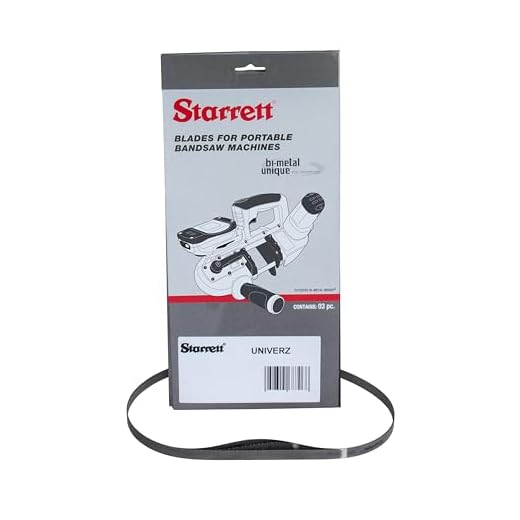
Starrett Universal Cordless Bandsaw Blades Pack
Features
| Part Number | UNZ13A187333 |
| Model | UNZ13A187333 |
| Color | Silver |
| Size | 733mm / 18tpi |
KATSU 200mm Benchtop Bandsaw for Woodworking
Features
| Part Number | 100555 |
| Model | 100555 |
FAQ:
What is the recommended weight for a ribeye steak?
The recommended weight for a ribeye steak is around 8 to 12 ounces.
How heavy should a fillet mignon be?
A fillet mignon is typically recommended to weigh around 6 to 8 ounces.
What is the suggested weight for a T-bone steak?
A T-bone steak is usually recommended to weigh around 12 to 16 ounces.
How heavy should a sirloin steak be?
A sirloin steak is usually recommended to weigh around 10 to 14 ounces.
What is the recommended weight for a flank steak?
A flank steak is typically recommended to weigh around 1.5 to 2 pounds.
Conclusion
In conclusion, understanding the recommended weight for different types of cuts is crucial for both the meat industry and consumers. The weight of different cuts affects not only the price but also the tenderness and cooking time. It is important to consider factors such as marbling, age, and fat content when determining the ideal weight for a particular cut. By following the recommended weight guidelines, consumers can ensure they are getting the best quality meat for their cooking needs. Similarly, the meat industry can use these guidelines to meet the demands of consumers and provide a consistent and satisfying dining experience. Overall, understanding the recommended weight for different types of cuts is a valuable knowledge that can enhance the culinary experience for both professionals and home cooks.


Meet Harrison Clayton, a distinguished author and home remodeling enthusiast whose expertise in the realm of renovation is second to none. With a passion for transforming houses into inviting homes, Harrison's writing at https://hutsrenovations.co.uk/ brings a breath of fresh inspiration to the world of home improvement. Whether you're looking to revamp a small corner of your abode or embark on a complete home transformation, Harrison's articles provide the essential expertise and creative flair to turn your visions into reality. So, dive into the captivating world of home remodeling with Harrison Clayton and unlock the full potential of your living space with every word he writes.


