Can You Cut Sheet Metal With A Table Saw
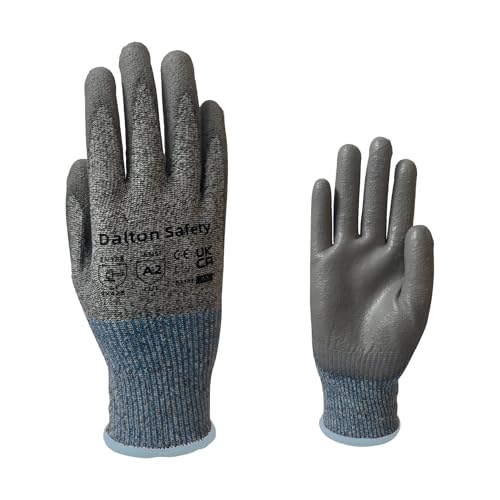

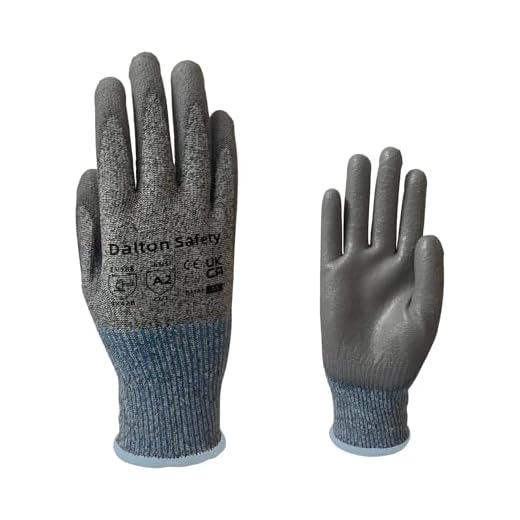
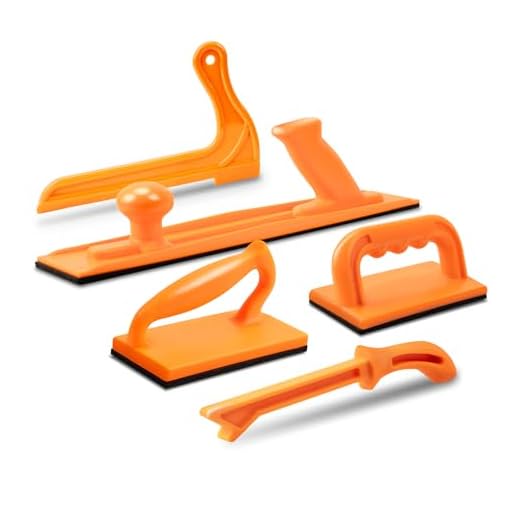

Table saws are a versatile and powerful tool, commonly used in woodworking. With their sharp blades and precise cutting ability, they are capable of making smooth and accurate cuts in various materials. However, many people wonder if table saws can also be used to cut sheet metal.
The short answer is yes, table saws can cut sheet metal. However, there are certain factors to consider before attempting to cut sheet metal with a table saw. First and foremost, it is important to ensure that your table saw is equipped with the appropriate blade for cutting metal.
Most table saws come with blades specifically designed for cutting wood, which may not be suitable for cutting sheet metal. It is essential to replace the wood cutting blade with a metal cutting blade, preferably one with carbide-tipped teeth. These blades are specifically designed to withstand the rigors of cutting metal and provide cleaner cuts.
Another factor to consider is the thickness of the sheet metal you are planning to cut. While table saws are capable of cutting through thin sheet metal, they may struggle with thicker gauges. Thicker metal sheets can put more strain on the blade, potentially causing it to bind or kick back.
Lastly, safety precautions should always be followed when cutting sheet metal with a table saw. It is crucial to wear appropriate protective gear such as safety goggles, gloves, and hearing protectors. Additionally, sheet metal should be securely clamped down to prevent it from shifting during the cutting process.
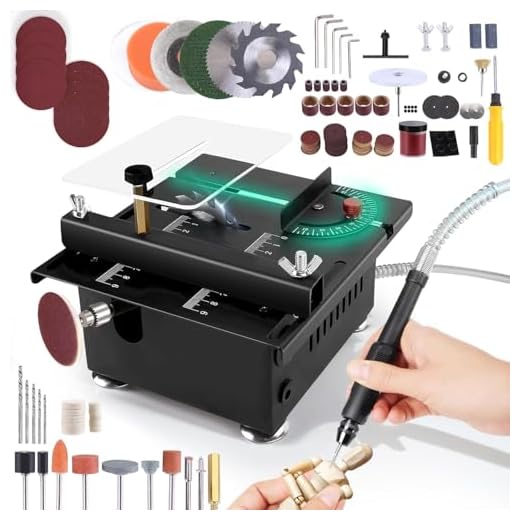
Overall, while table saws can be used to cut sheet metal, it is important to take the necessary precautions and ensure that you have the right blade for the job. With the proper setup and safety measures, a table saw can be a valuable tool for cutting sheet metal.
Advantages of Using a Table Saw for Cutting Sheet Metal
When it comes to cutting sheet metal, using a table saw can offer several advantages compared to other tools. Whether you’re a professional metalworker or a DIY enthusiast, here are a few reasons why using a table saw is worth considering:
1. Precise and Accurate Cuts
A table saw provides precise and accurate cuts, making it an ideal choice for cutting sheet metal with precision. The flat table surface and the fence system ensure that the sheet metal remains stable during cutting, allowing for straight and clean cuts.
Additionally, table saws have adjustable blade height and angle, allowing you to achieve different types of cuts and angles with ease. This versatility is crucial when working on various sheet metal projects that require different cutting requirements.
2. Increased Efficiency
Compared to handheld tools like snips or shears, using a table saw for cutting sheet metal can significantly increase your efficiency. With a table saw, you can cut large sheets of metal quickly and accurately, saving you time and effort.
Table saws also allow for repetitive cutting, meaning you can easily cut multiple pieces of sheet metal to the same dimensions without having to measure and cut each one individually. This feature is especially beneficial when working on projects that require identical components.
3. Versatility and Adaptability
Table saws are highly versatile and can be adapted to cut various types of sheet metal, including aluminum, steel, and copper. This versatility makes them suitable for a wide range of projects, from simple DIY tasks to complex metalworking projects.
In addition to cutting sheet metal, table saws can also be equipped with different blades to perform other tasks such as ripping, crosscutting, and beveling. This makes them a versatile tool that can be used for many woodworking and metalworking applications.
In conclusion, a table saw offers precise cuts, increased efficiency, and versatility when it comes to cutting sheet metal. It is a valuable tool for both professionals and DIY enthusiasts who work with sheet metal regularly. However, it is essential to take the necessary safety precautions and practice proper techniques to ensure safe and accurate cutting.
Considerations Before Cutting Sheet Metal on a Table Saw
Cutting sheet metal on a table saw can be a practical solution for many DIY projects. However, there are several important considerations to keep in mind before attempting to cut sheet metal on this type of tool.
Safety
Safety should always be the number one priority when working with power tools, and cutting sheet metal on a table saw is no exception. It is crucial to wear appropriate safety gear, including safety glasses, gloves, and hearing protection. Additionally, make sure to familiarize yourself with the specific safety features and guidelines of your table saw before starting the cutting process.
Material Thickness
Table saws are designed to cut through wood, and their cutting capacity may not be suitable for thicker sheet metal. It is important to check the maximum cutting capacity of your table saw and compare it to the thickness of the sheet metal you intend to cut. If the sheet metal is too thick, it may cause the table saw to stall or kickback, leading to potential hazards.
Blade Selection
The type of blade used on a table saw can greatly affect the quality and safety of the cut. When cutting sheet metal, a blade with a high tooth count and carbide tips is typically recommended. This type of blade helps to minimize chip-out and produces cleaner cuts. Additionally, make sure the blade is appropriate for the thickness of the sheet metal you are cutting.
- Ensure the blade is sharp and in good condition before starting the cutting process.
- Consider using a specialized metal-cutting lubricant to reduce friction and prolong the life of the blade.
Cutting Technique
The technique used to cut sheet metal on a table saw is different from cutting wood. It is essential to use slow and steady feed rates to prevent the sheet metal from vibrating or moving during the cut, as this can lead to inaccurate cuts or kickback. Additionally, consider using a push stick or a miter gauge to assist in guiding the sheet metal smoothly and safely through the blade.
Overall, while it is possible to cut sheet metal on a table saw, it is crucial to take these considerations into account to ensure safety and achieve accurate cuts. If you are unsure or inexperienced with cutting sheet metal, it may be advisable to seek professional assistance or opt for alternative cutting methods.
Safety Precautions for Cutting Sheet Metal with a Table Saw
Working with sheet metal can be a challenging task, especially when using a table saw. It is important to take proper safety precautions to prevent accidents and injuries. Here are some essential safety measures to consider when cutting sheet metal with a table saw:
1. Wear Protective Gear
Before starting any cutting operation, make sure you are wearing the appropriate protective gear. This includes safety glasses to protect your eyes from flying debris, gloves to protect your hands from sharp edges, and ear protection to reduce noise levels.
2. Use a Proper Blade
Ensure that you have the correct type of blade for cutting sheet metal. A carbide-tipped blade with fine teeth is recommended. This type of blade provides clean and precise cuts without damaging the sheet metal.
3. Secure the Sheet Metal
Prior to cutting, it is essential to securely fasten the sheet metal to the table saw using clamps or another appropriate method. This will prevent the sheet metal from moving or kicking back during the cutting process, reducing the risk of accidents.
4. Adjust the Table Saw Guard
Always make sure the table saw guard is properly adjusted and in place before cutting sheet metal. The guard helps to control the flow of debris and reduces the risk of your hands coming into contact with the blade.
5. Feed the Sheet Metal Slowly
When cutting sheet metal, it is crucial to feed it slowly into the table saw. This will allow for better control and reduce the chance of kickback. Avoid pushing too hard or forcing the sheet metal through the blade, as this can cause accidents.
6. Keep a Safe Distance
It is important to maintain a safe distance from the saw blade while cutting sheet metal with a table saw. Keeping your hands at a safe distance will minimize the risk of accidental contact with the blade, reducing the chance of injuries.
7. Clean the Work Area
After completing the cutting operation, make sure to clean up the work area. Remove any debris, scraps, and leftover sheet metal from the table and floor. This will help prevent slips, trips, and falls, minimizing the risk of accidents.
By following these safety precautions, you can ensure a safer cutting experience when working with sheet metal and a table saw. Remember to always prioritize safety and take necessary precautions to minimize the risk of accidents and injuries.
Tools and Accessories for Cutting Sheet Metal on a Table Saw
When it comes to cutting sheet metal on a table saw, there are several tools and accessories that can help you achieve precise and clean cuts. Here are some options to consider:
- Carbide-tipped saw blade: Investing in a high-quality carbide-tipped saw blade specifically designed for cutting sheet metal is essential. These blades are designed to handle the hardness and thickness of the metal without damaging the material or causing excessive heat.
- Table saw fence: A table saw fence is an essential accessory when cutting sheet metal. It ensures that the metal is held securely in place and provides a guide for making accurate cuts. Look for a fence that is adjustable and has a smooth surface to minimize friction.
- Push stick: Since sheet metal is thin and can be easily bent or damaged, using a push stick is recommended. A push stick allows you to guide the metal through the saw without putting your hands at risk of being too close to the blade.
- Featherboard: A featherboard is another accessory that can help in cutting sheet metal. It applies pressure against the workpiece, keeping it securely in place against the saw table and the fence. This helps prevent any movement or vibration that could lead to inaccurate cuts.
- Magnetic featherboard: Magnetic featherboards are similar to regular featherboards but have the advantage of being magnetically attached to the table saw. This allows for quick and easy adjustments when cutting different sizes of sheet metal.
- Safety gear: Lastly, it’s important to always wear appropriate safety gear when working with sheet metal on a table saw. This includes safety glasses to protect your eyes from debris, gloves to protect your hands, and hearing protection to minimize noise exposure.
Remember, cutting sheet metal on a table saw requires precision and caution. Make sure to follow all safety guidelines and take your time to ensure accurate and clean cuts. With the right tools and accessories, you can achieve professional results.
Step-by-Step Guide to Cutting Sheet Metal with a Table Saw
Cutting sheet metal can be a challenging task, but with the right tools and techniques, it can be done efficiently and safely. A table saw is a versatile tool that can be used for various woodworking projects, but it can also be used for cutting sheet metal. Here is a step-by-step guide to cutting sheet metal with a table saw:
- Gather the necessary materials and tools: Before starting, make sure you have all the necessary materials and tools at hand. You will need a table saw with a metal-cutting blade, a sheet of metal, safety goggles, gloves, and a clamp to secure the metal.
- Prepare the table saw: Make sure the table saw is set up correctly for cutting sheet metal. Adjust the blade height to just above the thickness of the metal. Secure the metal-cutting blade onto the saw, making sure it is properly aligned.
- Measure and mark the metal: Use a ruler or measuring tape to mark the dimensions of the metal you need to cut. Use a marker or scribe to make clear and accurate lines on the metal surface.
- Secure the metal: Place the sheet of metal on the table saw, making sure it is flat and aligned with the blade. Use a clamp to secure the metal in place, ensuring it won’t move during the cutting process.
- Turn on the table saw: Once the metal is securely in place, turn on the table saw and let the blade reach its full speed before making the cut. Make sure you are wearing safety goggles and gloves to protect yourself from any flying debris.
- Make the cut: Slowly push the metal through the blade, using a steady and even pressure. Let the saw do the work and avoid forcing the metal through the blade. Keep your hands clear of the blade and use a push stick if necessary to maintain a safe distance.
- Inspect the cut: Once the cut is complete, inspect the metal to ensure it has been cut accurately and cleanly. Sand or file any rough edges if necessary.
- Clean up: After you have finished cutting the sheet metal, turn off the table saw and carefully clean up any debris or metal scraps. Store the table saw and other tools in a safe and organized manner.
Remember, cutting sheet metal with a table saw can be dangerous if not done properly. Always prioritize safety and take appropriate precautions, such as wearing safety goggles, gloves, and using a clamp to secure the metal. Follow this step-by-step guide and practice on scrap metal before attempting any important projects.

Tips and Tricks for Successful Sheet Metal Cutting on a Table Saw
When it comes to cutting sheet metal on a table saw, there are a few tips and tricks that can help ensure a successful and safe process. Whether you are a beginner or an experienced woodworker, these guidelines will help you achieve precise and clean cuts.
Choose the Right Blade
When cutting sheet metal on a table saw, it is essential to use the appropriate blade. A thin-kerf blade with a high tooth count and fine teeth is recommended for best results. The blade should also have a blade guard to ensure safety during the cutting process.

Secure the Sheet Metal
Before making any cuts, it is crucial to secure the sheet metal properly. Using clamps or a vise is recommended to hold the metal in place and prevent it from vibrating or shifting during cutting. This will help ensure accurate and precise cuts.
Use Proper Safety Equipment
Working with sheet metal can be hazardous, so wearing the right safety equipment is imperative. Make sure to wear safety goggles, gloves, and hearing protection to protect yourself from any flying debris or noise generated during the cutting process.

Additionally, it is crucial to use a push stick or a push block when feeding the sheet metal into the table saw. This will keep your hands a safe distance from the blade and reduce the risk of injury.
Take Your Time
Sheet metal cutting requires patience and precision. It is essential to feed the sheet metal into the saw slowly and steadily, allowing the blade to cut through the metal at its own pace. Rushing the process can result in inaccurate cuts or even accidents.
It is also advisable to set the blade height just slightly higher than the thickness of the sheet metal. This will prevent the blade from binding or catching on the metal, ensuring a smoother cutting experience.
By following these tips and tricks, you can successfully cut sheet metal on a table saw and achieve professional-looking results. Remember to prioritize safety and take your time to ensure accurate and clean cuts.
Questions and answers
Can I use a table saw to cut sheet metal?
Yes, you can use a table saw to cut sheet metal, but it may not be the best tool for the job. It can be difficult to get clean, precise cuts with a table saw, and there is also a risk of damaging the blade or the saw itself.
What type of blade should I use to cut sheet metal on a table saw?
To cut sheet metal on a table saw, you should use a blade specifically designed for cutting metal. These blades typically have a higher tooth count and are made from materials that are resistant to heat and wear. It is important to use the correct blade to ensure clean and accurate cuts.
Are there any safety precautions I should take when cutting sheet metal on a table saw?
Yes, there are several safety precautions you should take when cutting sheet metal on a table saw. First, make sure your work area is clear of any obstacles or debris. Wear appropriate safety gear, such as safety glasses and gloves, to protect yourself from any potential flying debris. It is also important to secure the sheet metal properly before making any cuts. Finally, be cautious of the heat generated during the cutting process, as it can cause the sheet metal to become hot and potentially burn you.


Meet Harrison Clayton, a distinguished author and home remodeling enthusiast whose expertise in the realm of renovation is second to none. With a passion for transforming houses into inviting homes, Harrison's writing at https://hutsrenovations.co.uk/ brings a breath of fresh inspiration to the world of home improvement. Whether you're looking to revamp a small corner of your abode or embark on a complete home transformation, Harrison's articles provide the essential expertise and creative flair to turn your visions into reality. So, dive into the captivating world of home remodeling with Harrison Clayton and unlock the full potential of your living space with every word he writes.