
How Deep Do You Set A Circular Saw Blade
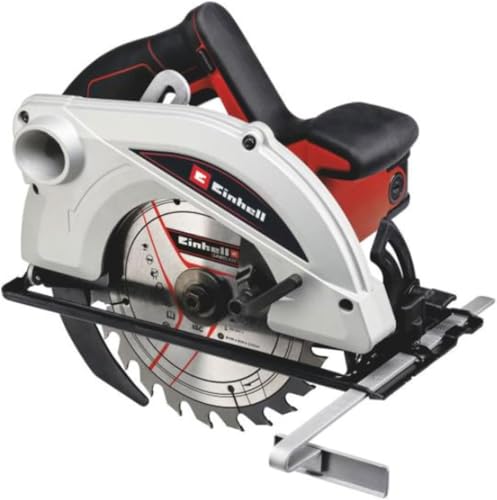
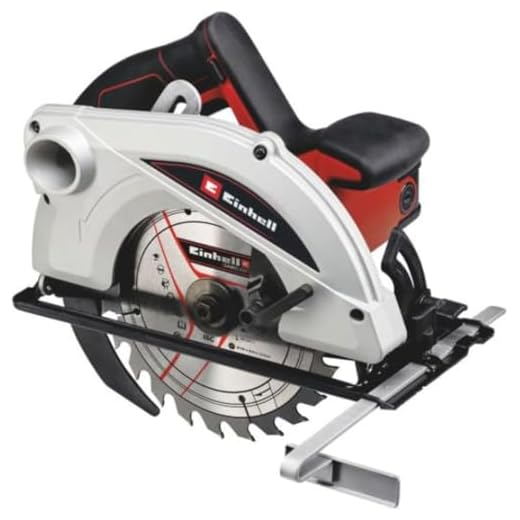


Setting the correct depth for your circular saw blade is crucial for achieving accurate and clean cuts. Whether you are a professional carpenter or a DIY enthusiast, knowing how to properly set the depth of the blade is an essential skill.
When setting the blade depth on a circular saw, you want to make sure that the depth is just deep enough to cut through the material you are working with. Setting the blade too shallow may result in incomplete cuts, while setting it too deep can cause kickback and increase the risk of accidents.
To determine the proper depth for your circular saw blade, you should consider the thickness of the material you are cutting. As a general rule of thumb, the blade should be set so that it extends about 1/4 to 1/2 inch below the material you are cutting. This ensures that the blade cuts through the material completely without causing any damage to the surface beneath.
Additionally, you should also take into account the type of material you are working with. Different materials may require different blade depths. For example, when cutting through plywood or other thin materials, a shallower blade depth may be sufficient. On the other hand, when cutting through thicker materials like hardwood or dense boards, a deeper blade depth may be necessary to ensure a clean and accurate cut.
Remember to always wear appropriate safety gear, such as safety glasses and ear protection, when using a circular saw. And before making any adjustments to the blade depth, make sure the saw is turned off and unplugged to prevent any accidental starts or injuries.
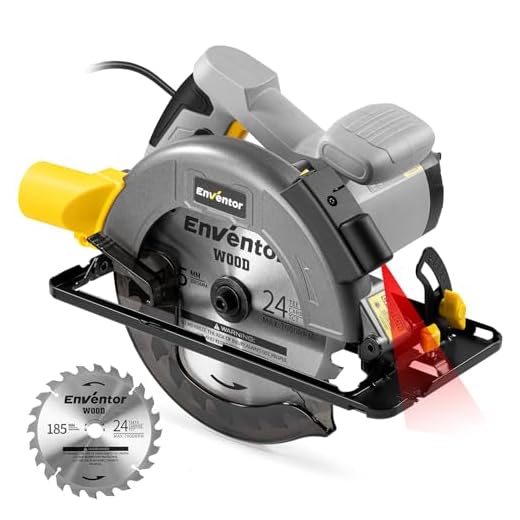
By following these guidelines and practicing proper technique, you can ensure that your circular saw cuts are precise, clean, and safe.
The Proper Depth of Setting a Circular Saw Blade
Setting the depth of a circular saw blade is a crucial step in achieving accurate and safe cuts. The depth refers to how far the blade protrudes below the base plate of the saw. Properly setting the depth ensures that the blade cuts through the material to the desired depth without causing any damage or compromising safety.
Determining the Correct Depth
Before setting the depth of the circular saw blade, it is important to consider the type and thickness of the material being cut. For most applications, the blade should be set to cut no more than the thickness of the material. This allows for a clean and efficient cut without any excess blade exposure.
However, if a plunge cut or a partial cut is required, the depth setting might differ. In such cases, it is advisable to set the blade depth slightly deeper than the material thickness to allow for the desired cutting action.
Setting the Depth
To set the depth of the circular saw blade:
- Ensure that the saw is unplugged and the blade is securely fastened.
- Place the saw on a stable surface and position the material to be cut.
- Loosen the depth adjustment lever or knob on the saw.
- Align the blade with the desired cutting line, making sure it is square.
- Gradually lower the blade until it reaches the desired depth. Some saws have depth indicators that can be used to ensure accuracy.
- Tighten the depth adjustment lever or knob to secure the blade at the set depth.
Note: It is always recommended to make a test cut on a scrap piece of material first to ensure the blade is set to the correct depth and the cutting action is as desired.
Remember to always wear appropriate safety gear, such as safety glasses and hearing protection, when operating a circular saw.
Importance of Correct Blade Depth
The correct blade depth is crucial to the performance and safety of a circular saw. When the blade is set too low, it can cause the saw to bind and kickback, posing a serious risk of injury. On the other hand, if the blade is set too high, it may not cut through the material effectively, resulting in a poor-quality cut.
Setting the blade depth correctly ensures that the teeth of the blade just protrude slightly below the surface of the material being cut. This allows the blade to make a clean, efficient cut without excessive friction or resistance. It also helps to minimize the risk of kickback and ensures the saw operates smoothly.
The correct blade depth may vary depending on the type and thickness of the material being cut. In general, the blade should be set to a depth where it cuts through the material in one pass without excessive force or strain on the saw. It’s important to refer to the manufacturer’s guidelines and recommendations for the specific saw and blade being used.
It’s also worth noting that the correct blade depth may change during the course of a cut. For example, when making a deep plunge cut, it may be necessary to adjust the blade depth to prevent binding. Additionally, some circular saws have features that allow for easy adjustment of the blade depth, making it convenient to adapt to different cutting situations.
In summary, setting the blade depth correctly is essential for both the performance and safety of a circular saw. By ensuring the blade is at the right depth, users can achieve clean and efficient cuts, minimize the risk of kickback, and prolong the life of both the blade and saw.
Factors to Consider for Blade Depth
When setting the blade depth on a circular saw, there are several factors to consider. The blade depth will affect both the quality of the cut and the safety of the operator. Here are some important factors to keep in mind:
Material Thickness
The thickness of the material you are cutting should be one of the main considerations when setting the blade depth. The blade should be set just deep enough to cut through the material, without going too deep. Setting the blade too shallow can result in a poor quality cut, while setting it too deep can increase the risk of kickback and potentially damage the saw or the material.
Type of Material
The type of material you are cutting also plays a role in determining the appropriate blade depth. Different materials have different hardness and cutting characteristics. For softer materials, such as plywood or particle board, a shallower blade depth may be sufficient. On the other hand, harder materials like hardwood or metal may require a deeper blade depth to ensure a clean and efficient cut.
Type of Cut
The type of cut you are making can also influence the blade depth setting. If you are making a through cut, where the blade cuts all the way through the material, a deeper blade depth may be necessary. However, if you are making a dado or groove cut, where the blade only cuts partway into the material, a shallower blade depth would be more appropriate.
It is important to carefully consider these factors and use your best judgment when setting the blade depth on a circular saw. Making the proper adjustments will result in cleaner cuts, reduced risk of kickback, and a safer working environment.
Measuring and Setting Blade Depth
When using a circular saw, it is important to set the blade depth properly to ensure accurate and safe cuts. Here are some steps to help you measure and set the blade depth:
1. Measuring the Blade Depth
Before you can set the blade depth, you first need to measure the depth of the cut you want to make. This can be done by placing the material you will be cutting on a flat surface and using a tape measure or ruler to measure the thickness of the material.
For example, if you are cutting a piece of plywood that is 3/4 inch thick, you will want to set the blade depth to slightly more than 3/4 inch to ensure that the blade goes all the way through the material.
2. Setting the Blade Depth
Once you have measured the depth of the cut, you can set the blade depth on your circular saw. Most circular saws have a depth adjustment lever or knob that allows you to set the blade depth.
Start by unplugging the saw to ensure your safety. Then, locate the depth adjustment mechanism on your saw. It is usually located near the front or side of the tool.
Use your tape measure or ruler to set the blade depth to the desired measurement. Some circular saws also have depth scales or markings on the tool that can help you set the blade depth more accurately.
After setting the blade depth, make sure to tighten the depth adjustment mechanism securely to lock the blade in place at the desired depth.
3. Testing and Adjusting the Blade Depth
Once you have set the blade depth, it is important to test it before making any cuts. Raise the guard of your circular saw and place it on a scrap piece of the material you will be cutting.
Turn on the saw and slowly lower the blade onto the material. Check to see if the blade depth is cutting through the material at the desired depth. If the blade is not cutting deep enough, you may need to adjust the depth setting and repeat the test until you achieve the desired depth.

It is important to note that the actual depth of the cut may differ slightly from the set blade depth due to factors such as the sharpness of the blade and the material being cut. Always double-check the depth of the cut after setting the blade depth to ensure accuracy.
| Pros | Cons |
|---|---|
| Accurate and safe cuts | May require multiple adjustments for desired depth |
| Easy to measure with a tape measure or ruler | Actual depth may differ slightly due to blade sharpness and material |
| Depth adjustment mechanism for precision setting |
By following these steps, you can ensure that your circular saw blade is set to the proper depth for accurate and safe cutting. Remember to always wear appropriate safety gear and follow the manufacturer’s instructions when using power tools.
Safety Precautions for Setting Blade Depth
When setting the depth of a circular saw blade, it is important to follow certain safety precautions to ensure the proper and safe operation of the tool. These precautions include:
-
Wearing Protective Gear
Prior to setting the blade depth, it is essential to wear appropriate protective gear such as safety glasses, ear protection, and gloves. This will help protect your eyes, ears, and hands from any potential debris or accidents.
-
Disconnect Power Source
Before making any adjustments to the blade depth, make sure to disconnect the power source of the circular saw. This prevents any accidental start-up of the tool while making changes.
-
Read the User Manual
It is highly recommended to thoroughly read and understand the user manual provided by the manufacturer. This will provide you with specific instructions on how to set the blade depth correctly for your particular circular saw model.
-
Adjust Blade Depth Outside of the Cut
When adjusting the blade depth, ensure that the saw is not in contact with the material being cut. It is safer to adjust the blade depth outside of the cut, away from any potential obstacles or obstructions.
-
Secure Workpiece
Before making any cuts with the circular saw, make sure that the workpiece is properly secured and supported. This will prevent any unexpected movement or kickback during the cutting process.
Top Rated GALAX PRO 1400W Electric Circular SawDust collection for cleaner workspacesThe GALAX PRO circular saw offers a powerful 1400W motor and adjustable cutting depths, complemented by a dust collection system for a cleaner and safer working environment.
 -
Gradually Increase Depth
When setting the blade depth initially, it is advised to start with a shallow depth and gradually increase it as necessary. This allows for better control and minimizes the risk of overcutting or binding the blade.
-
Inspect Blade and Saw
Regularly inspect the circular saw blade and the saw itself for any signs of damage or wear. A damaged or dull blade can increase the risk of accidents and should be replaced immediately.
By following these safety precautions, you can ensure that the blade depth is set correctly and minimize the risk of accidents or injuries while using a circular saw.
Common Mistakes When Setting Blade Depth
Setting the blade depth correctly is crucial in order to achieve accurate cuts and prevent accidents while using a circular saw. However, there are several common mistakes that people make when setting the blade depth.
1. Setting the blade too shallow
One of the most common mistakes is setting the blade too shallow. When the blade is not deep enough, it does not fully engage with the material being cut, resulting in a rough finish or incomplete cuts. This can also put extra strain on the motor, causing it to overheat or wear out faster.
2. Setting the blade too deep
On the other hand, setting the blade too deep can also lead to problems. When the blade is set too deep, it can cause excessive friction and binding, leading to kickback or the saw getting stuck in the material. This can be dangerous and may damage both the saw and the workpiece.
3. Ignoring the material thickness
Another mistake is ignoring the thickness of the material being cut. Different materials require different blade depths to achieve optimal results. It is important to adjust the blade depth according to the thickness of the material in order to prevent unnecessary risks and achieve clean cuts.
4. Failing to check for hidden nails or screws
Before setting the blade depth, it is crucial to check for hidden nails, screws, or other objects that may be embedded in the material. Failing to do so can result in the blade coming into contact with these objects, causing damage to the blade, the saw, or even injury to the operator.
5. Not using a depth stop
Some circular saws come with a depth stop feature, which allows you to set the maximum blade depth in order to prevent overcutting or damaging the workpiece. Not using a depth stop when available can increase the risk of making mistakes in setting the blade depth.
Avoiding these common mistakes and taking the time to properly set the blade depth will help ensure safe and accurate cuts with a circular saw.
Troubleshooting Blade Depth Issues
If you are having trouble with the depth of your circular saw blade, there are several potential issues that you can troubleshoot to resolve the problem. Below are some common problems and their possible solutions:
Blade not cutting deep enough
If your blade is not cutting deep enough, the first thing to check is the depth adjustment on your circular saw. Adjust the depth setting to the desired depth and try cutting again. Make sure to securely tighten the depth adjustment knob after making any adjustments.
If the blade is still not cutting deep enough, another possible issue could be a dull blade. Over time, the blade can become dull and lose its cutting efficiency. In this case, you may need to replace the blade with a new one.
Additionally, double-check that you are using the correct size blade for the thickness of the material you are cutting. Using a blade that is too small for the material may result in a shallow cut.
Blade cutting too deep
If your blade is cutting too deep, the first thing to check is the depth adjustment on your circular saw. Make sure the blade is not set too deep and adjust the depth setting if necessary.

Another possible issue could be an incorrect bevel or angle setting. If the bevel angle is not set properly, it can affect the cutting depth. Make sure the bevel angle is correctly set to the desired angle.
If the issue persists, you can try using a saw guide or a straight-edge to ensure that you are keeping the saw level and preventing it from tilting during the cut. This can help maintain a consistent cutting depth.
It is also important to note that the material you are cutting can affect the cutting depth. For example, if you are cutting a particularly dense or hard material, you may need to adjust the depth accordingly to achieve the desired cut.
Overall, troubleshooting blade depth issues involves checking the depth adjustment, blade sharpness, blade size, bevel angle, and ensuring proper technique and positioning. By identifying and addressing these potential issues, you can achieve the desired cutting depth with your circular saw.
Questions and answers
What is the recommended depth to set a circular saw blade?
The recommended depth to set a circular saw blade is typically 1/8 inch deeper than the thickness of the material you are cutting.
What happens if the circular saw blade is set too deep?
If the circular saw blade is set too deep, it can cause the saw to bind or kick back, resulting in an unsafe working condition. It can also cause the material being cut to splinter or chip.
Can I use a circular saw blade that is smaller or larger than recommended?
No, it is important to use a circular saw blade that is specifically recommended for your saw. Using a blade that is too small can be ineffective and potentially dangerous, while using a blade that is too large can cause the saw to overheat or become unstable.
What can I do if I need to cut a material that is thicker than the capacity of my circular saw?
If you need to cut a material that is thicker than the capacity of your circular saw, you may need to make multiple passes, adjusting the blade depth each time. Alternatively, you may need to consider using a different tool, such as a jigsaw or a reciprocating saw.
Is it possible to set the circular saw blade too shallow?
Yes, setting the circular saw blade too shallow can result in a cut that is not complete or clean. It may also cause excessive friction, leading to overheating and potential damage to the blade.


Meet Harrison Clayton, a distinguished author and home remodeling enthusiast whose expertise in the realm of renovation is second to none. With a passion for transforming houses into inviting homes, Harrison's writing at https://hutsrenovations.co.uk/ brings a breath of fresh inspiration to the world of home improvement. Whether you're looking to revamp a small corner of your abode or embark on a complete home transformation, Harrison's articles provide the essential expertise and creative flair to turn your visions into reality. So, dive into the captivating world of home remodeling with Harrison Clayton and unlock the full potential of your living space with every word he writes.


