
How To Build A Table Saw Station


Are you tired of working with a table saw that is just sitting on a flimsy workbench? Do you want to take your woodworking to the next level? Then it’s time to build a table saw station! A table saw station is a dedicated area in your workshop that not only provides a stable and secure surface for your table saw, but also offers storage space for your tools and accessories. In this article, we will guide you step by step on how to build your own table saw station.
First, you will need to gather all the necessary materials and tools. This includes the table saw itself, plywood for the station top and shelves, 2×4 lumber for the frame, screws, a circular saw, a drill, a tape measure, and a level. Once you have everything, you can start building the frame for your table saw station. Make sure to measure and cut the 2×4 lumber to the appropriate lengths, and then assemble the frame using screws.
Next, it’s time to build the top surface of the station. Measure and cut the plywood to the desired size, making sure it’s slightly larger than your table saw. Attach the plywood to the frame using screws, ensuring it’s level and flush with the edges. You can also add additional support beams underneath the plywood for added stability.

Once the top surface is complete, you can start building the shelves and storage compartments. Measure and cut the plywood to the desired sizes for the shelves, and attach them to the frame using screws. You can also add dividers and compartments to the shelves for better organization of your tools and accessories.
Finally, it’s time to set up your table saw on the station. Place the table saw in the center of the station, making sure it’s level and secure. You can use clamps or brackets to secure the table saw to the station for added stability. Once everything is in place, you can start using your new table saw station and enjoy the convenience and functionality it provides.
Designing Your Table Saw Station
Designing your table saw station is an important step in creating a functional and efficient workspace. A well-designed table saw station will not only provide a sturdy and stable work surface but also offer storage and organization solutions to keep your tools and accessories easily accessible.
Considerations for Design
Before you start building your table saw station, there are several factors to consider:
- Size and space: Determine the available space in your workshop and the overall size of the table saw station. Consider the dimensions of the table saw itself, as well as any additional equipment or materials you plan to include.
- Ergonomics: Think about your height and working preferences to determine the ideal height and layout of the table saw station. Ensure that it allows comfortable and safe operation of the table saw.
- Storage: Assess your storage needs and plan for adequate space to store blades, accessories, and other tools. Consider including drawers, shelves, or cabinets to keep everything organized and within reach.
- Work flow: Consider the workflow in your workshop and the location of other tools and workstations. Design the table saw station to optimize the efficiency and functionality of your workspace.
Key Components
When designing your table saw station, there are several key components to consider:
- Table saw platform: The main work surface where the table saw will be placed. Ensure that it is sturdy and level, with enough space around the table saw for maneuverability.
- Fence and miter slots: Incorporate a fence system and miter slots into the design to enable accurate and precise cutting. Make sure they are adjustable and easily accessible.
- Outfeed support: Include an outfeed support system to provide additional support for long workpieces and improve safety during cutting.
- Storage and organization: Plan for storage solutions that suit your needs, such as drawers, shelves, and racks. Consider the types of tools and accessories you use regularly and design storage spaces accordingly.
By carefully considering your needs and preferences, you can design a table saw station that not only enhances the functionality of your table saw but also improves the overall productivity of your woodworking projects.
Understanding Your Needs and Space Constraints
Before embarking on building a table saw station, it is important to assess your needs and take into consideration any space constraints you may have. Understanding these factors will help you make informed decisions about the design and layout of your workstation.
Identify Your Needs
Start by identifying your specific needs. What type of projects do you typically work on? How often do you use your table saw? Do you require additional storage for tools and materials?
Consider your workflow and the tasks you perform most frequently. Do you need a large work surface for assembling projects? Do you require ample space for crosscutting or ripping long boards?
Take the time to carefully evaluate your needs in order to design a table saw station that maximizes functionality and efficiency.
Evaluate Your Space Constraints
Next, carefully evaluate the space you have available for your table saw station. Measure the dimensions of the area where you plan to set up your station, taking into account any existing obstacles or restrictions.
Consider the layout of your workshop and how your table saw station will fit into the overall workflow. Will the station be against a wall or in the center of the room? Will there be enough space around the table saw for comfortable maneuverability?
If space is limited, you may need to prioritize certain features or consider alternative storage solutions to minimize the footprint of your table saw station.
By understanding your needs and space constraints, you can create a table saw station that is tailored to your specific requirements and maximizes the available space in your workshop.
Choosing the Right Materials and Tools
When building a table saw station, it is important to choose the right materials and tools to ensure a sturdy and functional end result. Here are some key considerations to keep in mind:
Materials
The materials you choose for your table saw station will impact its durability and stability. The most common materials used for this project are:
| 1. Plywood: | Consider using plywood for the base and shelves of the table saw station. It is affordable, readily available, and offers good strength and stability. |
| 2. MDF: | MDF (Medium Density Fiberboard) is another good option for the table saw station. It is smooth and flat, making it easy to work with, and provides excellent stability. |
| 3. Solid wood: | If you prefer a more traditional and robust look, solid wood can be used for the table saw station. It offers natural beauty and strength, but may be more expensive. |
Tools
Having the right tools will make the construction process easier and more efficient. Here are some tools you may need:
| 1. Circular saw: | Use a circular saw to cut the plywood or MDF sheets to the desired dimensions for the table saw station. |
| 2. Drill: | A drill is essential for creating pilot holes and assembling the various components of the table saw station. |
| 3. Screwdriver: | Get a screwdriver with the appropriate bits to secure the screws in place and attach the different parts together. |
| 4. Measuring tools: | Accurate measurements are crucial for a proper fit. Consider using a tape measure, square, and level to ensure precision. |
| 5. Clamps: | Clamps will help hold the pieces in place securely while you work on assembling the table saw station. |
By selecting the right materials and tools, you will be well-equipped to build a table saw station that meets your needs and stands the test of time.
Creating a Functional and Ergonomic Layout
When building a table saw station, it is important to consider the layout to ensure functionality and ergonomic use. By optimizing the arrangement of tools, materials, and workspaces, you can create a more efficient and comfortable work environment.

1. Planning the Layout
Start by assessing the available space and determining the most suitable location for your table saw station. Consider factors such as adequate lighting, accessibility to power outlets, and proximity to other work areas. It is also essential to leave enough room around the table saw for maneuvering and material handling.
You can use measuring tools and drawing software to create a scale layout of your workshop and the table saw station. This will help you visualize the placement of tools and determine the dimensions of workbenches, shelves, and storage cabinets.
2. Organizing Tools and Materials
Group similar tools and materials together for better organization and easy access. Hang frequently used hand tools on a pegboard or store them in a toolbox within arm’s reach of the table saw. Use shelves, bins, or drawers to store various sizes of saw blades, safety equipment, and other accessories.

Consider adding a dedicated area for material storage near the table saw station. This can include racks for lumber, shelves for sheet goods, and bins for smaller pieces. Keeping materials close by will reduce unnecessary movement and save time during the cutting process.
3. Designing Workspaces
A table saw station should have ample workspace for cutting, measuring, and assembly tasks. The table saw itself should have a sturdy and level work surface, with enough space on each side for handling large materials. Attach a fence system for precise and repeatable cuts.
Adjacent to the table saw, include a workbench or assembly table for additional project tasks. This surface can be used for measuring, marking, and assembling components before and after cutting. Consider adding built-in storage underneath the workbench for frequently used tools and supplies.
Lastly, ensure that the layout allows for proper dust collection and ventilation. Install a dust collection system or use a shop vacuum to minimize sawdust and debris. Adequate ventilation will help maintain a clean and healthy work environment.
- Plan the layout of your table saw station to maximize functionality and ergonomics.
- Organize tools and materials for easy access and efficient workflow.
- Create dedicated workspaces for cutting and assembly tasks.
- Include storage solutions for tools, accessories, and materials.
- Ensure proper dust collection and ventilation for a clean workspace.
Questions and answers
What tools do I need to build a table saw station?
To build a table saw station, you will need a table saw, circular saw, jigsaw, drill, miter saw, clamps, tape measure, and various hand tools like screwdrivers and wrenches. Having a workbench or a sturdy table to work on is also important.
Can I customize the table saw station to fit my needs?
Yes, you can definitely customize the table saw station to fit your needs. You can adjust the size and height of the station according to your preference. You can also add drawers, shelves, and other storage options to keep your tools organized. Just make sure to plan and measure everything properly before starting the construction.
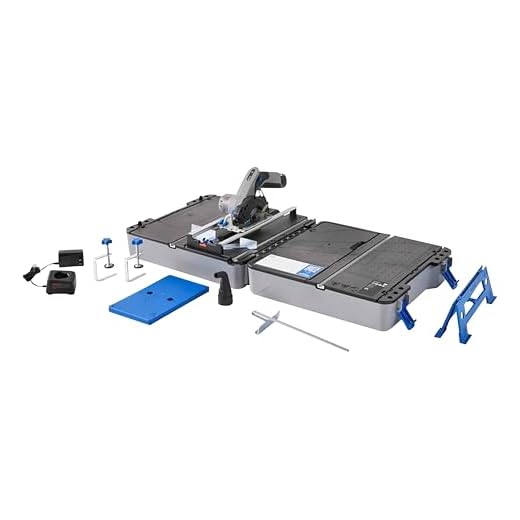
What are the benefits of having a table saw station?
A table saw station provides several benefits. Firstly, it gives you a dedicated and sturdy work surface for using your table saw. It also helps in improving safety by providing a stable platform for cutting materials. Additionally, a table saw station with storage options helps in keeping your tools and accessories organized and easily accessible. Lastly, it can enhance the overall efficiency and productivity of your woodworking projects.



Meet Harrison Clayton, a distinguished author and home remodeling enthusiast whose expertise in the realm of renovation is second to none. With a passion for transforming houses into inviting homes, Harrison's writing at https://hutsrenovations.co.uk/ brings a breath of fresh inspiration to the world of home improvement. Whether you're looking to revamp a small corner of your abode or embark on a complete home transformation, Harrison's articles provide the essential expertise and creative flair to turn your visions into reality. So, dive into the captivating world of home remodeling with Harrison Clayton and unlock the full potential of your living space with every word he writes.