How To Setup A Table Saw


If you’re a woodworking enthusiast, having a table saw is essential to make precise cuts and create beautiful projects. However, setting up a table saw can be intimidating, especially if you’re a beginner. But fear not! In this article, we will guide you through the process of setting up your table saw and ensure that you can start using it safely and effectively.
Step 1: Assemble the Table Saw
Before you start using the table saw, you need to assemble it properly. Begin by reading the manual thoroughly to understand the different parts and how they work together. Carefully follow the instructions provided by the manufacturer to assemble the table saw. Make sure to tighten all the bolts and screws securely to ensure the stability of the machine.
Step 2: Adjust the Blade and Fence
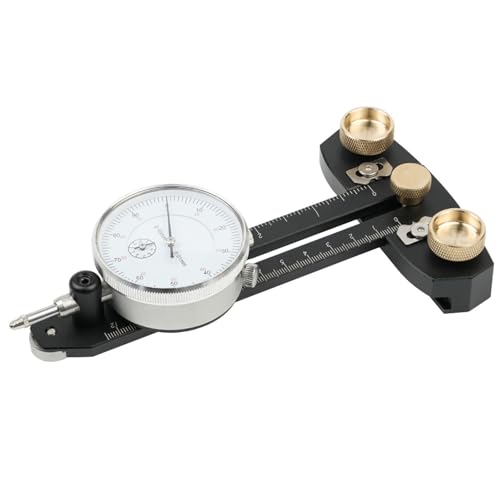
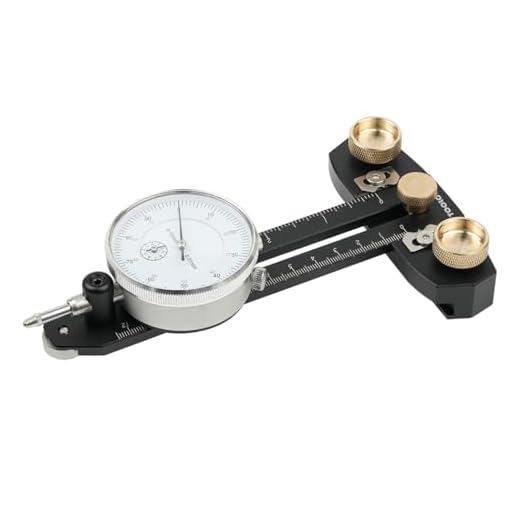
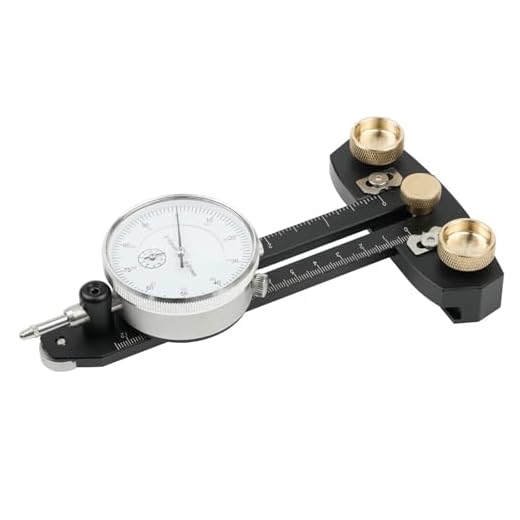
Once the table saw is assembled, the next step is to adjust the blade and fence. The blade should be parallel to the miter gauge groove and the fence should be aligned with the blade. Use a combination square or a dial indicator to check the alignment and make any necessary adjustments. This step is crucial to ensure accurate and safe cutting.

Step 3: Check the Safety Features
Prior to using your table saw, it’s vital to check all the safety features. The blade guard, riving knife, and anti-kickback pawls should be properly installed and in good working condition. Always keep these safety features in place while using the table saw to minimize the risk of accidents and injuries.
Remember, working with a table saw requires caution and focus. Always wear appropriate safety gear, such as safety glasses and hearing protection. Keep your work area clean and free from clutter, and never rush through a cut.
By following these steps and prioritizing safety, you’ll be able to set up your table saw correctly and start creating amazing projects with confidence. Happy woodworking!
Safety Precautions
When setting up and using a table saw, it is important to prioritize safety to prevent accidents and injuries. Here are some safety precautions to follow:
| 1. | Read the manual: | Familiarize yourself with the manufacturer’s instructions and guidelines before operating the table saw. This will help you understand its features, functions, and potential risks. |
| 2. | Wear protective gear: | Always wear safety goggles, ear protection, and a dust mask to protect yourself from flying debris, loud noise, and harmful dust particles. |
| 3. | Maintain a clean workspace: | Ensure your work area is tidy and free from clutter. This will help prevent accidents and allow for better visibility and maneuverability. |
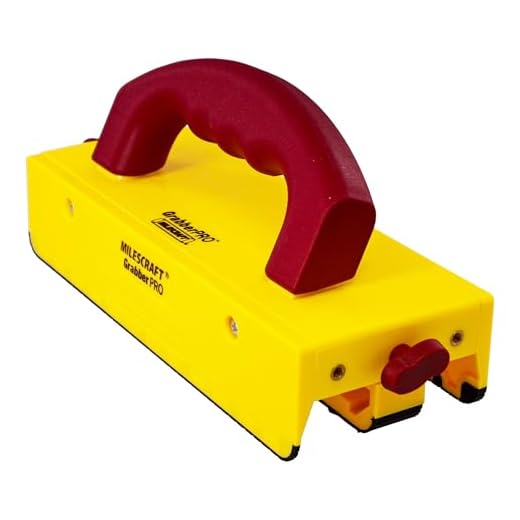
| 4. | Use push sticks and featherboards: | When ripping or crosscutting small or narrow pieces of wood, use push sticks to keep your hands away from the blade and featherboards to provide additional support and control. |
| 5. | Maintain proper blade height and alignment: | Ensure the table saw blade is properly aligned and set to the appropriate height for the type of cut you are making. A misaligned or poorly adjusted blade can increase the risk of kickback. |
| 6. | Use a riving knife or splitter: | A riving knife or splitter helps prevent the wood from pinching or binding the blade during a cut, reducing the likelihood of kickback. |
| 7. | Avoid distractions: | Stay focused and remove any distractions while operating the table saw. Distractions can lead to loss of concentration and increase the risk of accidents. |
| 8. | Never reach over the blade: | Avoid reaching over the blade or making cuts with your hands positioned directly in front of the blade. Use appropriate tools or jigs to handle small or narrow pieces. |
| 9. | Disconnect power when not in use: | When not using the table saw, always disconnect the power source to prevent accidental startups. This is especially important when changing blades or making adjustments. |
| 10. | Keep children and pets away: | Ensure that children and pets are always kept at a safe distance from the table saw. Never leave the saw unattended while it is running. |
Assembling the Table Saw
Once you have all the necessary parts and tools ready, it’s time to start assembling your table saw. Follow these steps to ensure a proper setup:
Step 1: Attach the Legs
The first step is to attach the legs to the saw base. Position the legs vertically and align them with the pre-drilled holes on the base. Use the provided screws or bolts to secure the legs in place. Make sure they are tightly attached for stability.
Step 2: Install the Table Extension
If your table saw comes with a table extension, now is the time to install it. Some extensions may require additional brackets or hardware for attachment. Follow the manufacturer’s instructions to properly install the extension and ensure it aligns with the main table surface.
Step 3: Mount the Tabletop
Carefully place the tabletop onto the base and align it properly. Use the provided screws or bolts to secure the top to the base. Make sure to tighten them evenly to avoid any warping or misalignment. Check that the table is level and stable.
Once you have completed these steps, your table saw should be assembled and ready to use. However, it’s important to consult the user manual for your specific model to ensure you haven’t missed any additional steps or adjustments needed for proper setup.
Adjusting Blade and Fence
Properly adjusting the blade and fence on your table saw is crucial for achieving accurate and safe cuts. Here are the steps to follow:
1. Blade Adjustment:
Start by ensuring that your table saw is unplugged and the blade is fully retracted below the table surface. Use a combination square to check the alignment of the blade with the miter slot. Place the square against the blade and the miter slot, making sure they are parallel. If they are not, you will need to adjust the blade tilt or parallelism using the corresponding adjustment screws or knobs on your saw.
2. Fence Adjustment:
Next, check the alignment of the fence. Position the fence alongside the blade and use a straight edge, such as a ruler or a board, to check if it is parallel to the blade. If it is not, adjust the fence using the adjustment mechanisms provided on your table saw. This may involve loosening or tightening screws or knobs and making small incremental adjustments until the fence is perfectly parallel to the blade.
3. Blade Height Adjustment:
Adjusting the blade height is essential for achieving the desired depth of cut and ensuring safety. Raise the blade above the table surface and measure the distance between the highest tooth of the blade and the closest point on the table. This measurement should be consistent with the cutting requirements of your project. Adjust the blade height using the elevation mechanism on your table saw.
4. Safety Checks:
Before using your table saw, double-check all adjustments to make sure the blade and fence are properly aligned. Ensure that the blade is secure and tightened in place, and that the fence locks securely and does not move during operation. Additionally, always wear appropriate safety equipment, such as safety glasses and hearing protection, when operating a table saw.
By following these steps and regularly maintaining your table saw, you can ensure its optimal performance and make accurate cuts with confidence.
Testing and Fine-Tuning
Once you have set up your table saw, it’s important to test and fine-tune it to ensure accurate and safe operation. Follow these steps to check the performance of your table saw:
1. Rip Fence Alignment
Start by aligning the rip fence parallel to the saw blade. This can be done by using a straightedge or a specialty rip fence alignment tool. Adjust the fence until it’s perfectly parallel to the blade for accurate cuts.
2. Blade Angle Adjustment
Next, check the blade angle to ensure it’s properly aligned. Use a combination square or a digital angle gauge to measure the angle of the blade in relation to the table. Adjust as necessary to achieve the desired angle for your cuts.
Note: Always turn off and unplug the table saw before making any adjustments.

3. Fence-to-Blade Clearance
Check the clearance between the rip fence and the saw blade to ensure it’s not too close or too far. A small gap of about 1/32 inch is generally recommended for safe operation. Adjust the position of the fence if needed to achieve the proper clearance.
4. Blade Height and Alignment
Lastly, check the height and alignment of the saw blade. The blade should be perpendicular to the table and its height should be set according to the material being cut. Use a blade height gauge or a combination square to make accurate height adjustments.
Once all these tests have been performed and any necessary adjustments have been made, your table saw should be ready for use. Remember to always wear appropriate safety gear and follow proper woodworking techniques when using a table saw.
Take your time to test and fine-tune your table saw before using it for any woodworking projects. This will ensure the best results and minimize the risk of accidents.
Questions and answers
What are the steps to set up a table saw?
Setting up a table saw requires several steps. First, ensure that the table saw is placed on a level surface and the power cord is plugged in. Then, adjust the blade to the desired height and angle. Next, align the fence parallel to the blade and tighten it securely. Finally, check that all safety features are in place and test the saw before using it.
What safety precautions should be taken when setting up a table saw?
Safety is paramount when setting up a table saw. Always wear safety goggles and avoid loose clothing or jewelry. Keep fingers and hands away from the blade and use a push stick or push block to guide the material through the saw. It is also advised to use a riving knife or splitter to prevent kickback. Additionally, make sure the saw is unplugged when making any adjustments.

Can I use a table saw without a fence?
While it is technically possible to use a table saw without a fence, it is not recommended. The fence provides a guide for the material being cut and helps ensure accuracy and straight cuts. Without a fence, it can be difficult to control the material and make precise cuts, which may lead to safety hazards or inaccurate results.
What should I do if the table saw blade is not parallel to the fence?
If the table saw blade is not parallel to the fence, it can result in inaccurate cuts. To fix this issue, start by unplugging the saw for safety. Then, loosen the lock mechanism of the fence, adjust the angle, and tighten the lock again. Check the alignment with a straightedge or a square. It may require a few adjustments to achieve perfect parallel alignment. It is important to double-check the alignment after making any adjustments.
How often should I clean and maintain my table saw?
Regular cleaning and maintenance of a table saw are necessary to ensure its optimal performance. It is recommended to clean the saw after every use, removing any sawdust or debris from the surface and the blade. Lubricate the moving parts regularly to prevent rust and friction. Check the alignment and adjust if necessary. It is also essential to keep the blade sharp and replace it if it becomes dull. Overall, perform routine maintenance and inspections to keep the table saw in good working condition.


Meet Harrison Clayton, a distinguished author and home remodeling enthusiast whose expertise in the realm of renovation is second to none. With a passion for transforming houses into inviting homes, Harrison's writing at https://hutsrenovations.co.uk/ brings a breath of fresh inspiration to the world of home improvement. Whether you're looking to revamp a small corner of your abode or embark on a complete home transformation, Harrison's articles provide the essential expertise and creative flair to turn your visions into reality. So, dive into the captivating world of home remodeling with Harrison Clayton and unlock the full potential of your living space with every word he writes.