Can A Soldering Iron Melt Copper Wire


Soldering iron and copper wire are both essential tools in the world of electronics and electrical engineering. The question arises whether a soldering iron is capable of melting copper wire. This question is often asked by beginners who are new to the field and are unsure about the capabilities of these tools. The answer lies in understanding the properties of the soldering iron and the melting point of copper.
Copper wire is known for its high melting point, which is around 1,085 degrees Celsius (1,985 degrees Fahrenheit). This makes it a reliable conductor of electricity and heat, as it can withstand high temperatures without melting or deforming. On the other hand, a soldering iron typically operates at temperatures between 150 to 450 degrees Celsius (302 to 842 degrees Fahrenheit), depending on the type and purpose of the soldering iron.
Given the significant difference in melting points between copper wire and soldering iron, it is safe to say that a soldering iron cannot melt copper wire on its own. However, it is important to note that a soldering iron can be used to melt solder, which is a metal alloy with a lower melting point than copper. The melted solder can then be used to form a strong bond between the copper wire and other components, such as circuit boards or connectors.
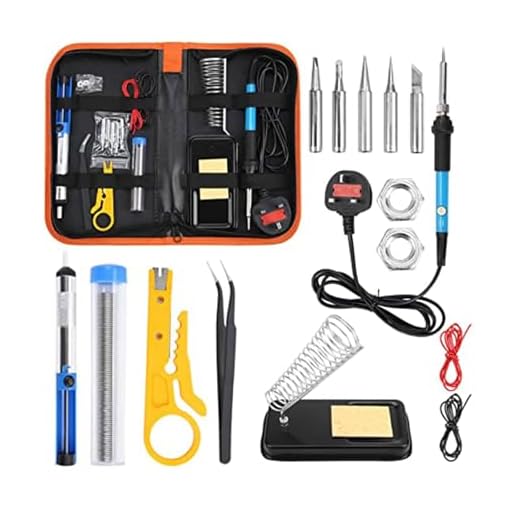
In conclusion, while a soldering iron cannot directly melt copper wire, it plays a crucial role in the soldering process to create reliable electrical connections. By melting solder with a soldering iron, one can effectively join copper wire with other components, ensuring the smooth operation of electronic devices. Understanding the capabilities and limitations of these tools is essential for those venturing into the world of electronics and electrical engineering.
Understanding Soldering Irons
A soldering iron is an essential tool for anyone working with electronics or other metal-based projects. It allows you to join two pieces of metal together by melting a filler metal, known as solder, and creating a strong bond when it solidifies.
There are different types of soldering irons available, each with its own features and functions. Here are some key points to help you understand soldering irons:
- Temperature control: Most modern soldering irons have adjustable temperature settings. This allows you to easily set the optimal temperature for the particular soldering task you are working on.
- Power: Soldering irons are available in various power ratings, typically ranging from 15 to 60 watts. Higher wattage irons heat up faster and have more power to solder larger components and thicker wires.
- Tips: The tip of a soldering iron is the part that comes in direct contact with the solder and the components being soldered. Tips come in different shapes and sizes, and choosing the right tip for your project is crucial for achieving good results.
- Heating elements: Soldering irons can have various types of heating elements, such as ceramic, copper, or iron-plated copper. Each type has its own advantages in terms of heat distribution, response time, and durability.
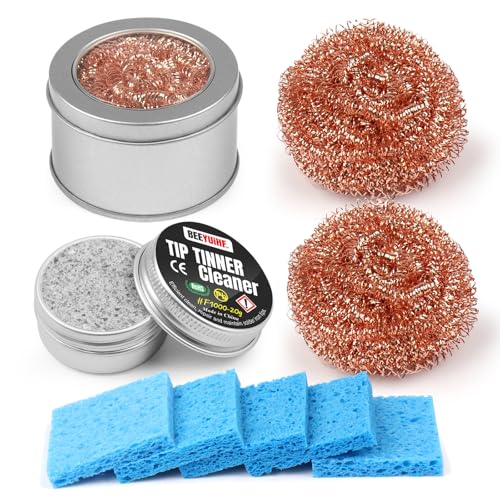
- Stand: It is important to have a soldering iron stand to hold the iron safely when not in use. The stand also often includes a sponge or brass wire cleaner for cleaning the tip between soldering operations.
Using a soldering iron requires proper technique and safety precautions. Always make sure to read and follow the manufacturer’s instructions, and be aware of the potential risks associated with working with hot tools and molten metal.
Overall, understanding the features and functions of soldering irons is essential for achieving successful soldering results and ensuring the durability of your electronic projects.
What Is a Soldering Iron
A soldering iron is a handheld tool used in electronics and metalwork to join two or more metal components together. It consists of a heated metal tip and a handle, often made from plastic or wood, which safely insulates the user from the heat. The tip of the soldering iron is usually made from copper or iron, and it is heated to a specific temperature for melting solder, a metal alloy used to create a strong bond between metal surfaces.
Soldering irons are commonly used in various applications, such as electronic repairs, circuit board assembly, jewelry making, and plumbing. They are available in different sizes and power ratings, allowing users to choose the most suitable tool for their specific needs.
How Does a Soldering Iron Work?
The operation of a soldering iron is relatively straightforward. When the soldering iron is switched on, an electric current passes through the heating element, usually made from nichrome wire, causing it to heat up. The heating element transfers the heat to the tip of the soldering iron, which reaches the desired temperature for melting solder.
Once the tip is heated, the user can apply solder to the metal components they want to join. The heat from the soldering iron melts the solder, allowing it to flow and create a bond between the metal surfaces. The solder solidifies as it cools down, creating a strong and durable connection.
Types of Soldering Irons
There are several types of soldering irons available, depending on the specific application and user requirements:
| Type | Description |
|---|---|
| Pencil Soldering Iron | A basic soldering iron with a pointed tip, suitable for small-scale electronics and hobbyist projects. |
| Soldering Station | A soldering iron that comes with a separate control unit, allowing precise temperature control. It is often used in professional settings. |
| Cordless Soldering Iron | A portable soldering iron that operates on battery power, ideal for on-the-go repairs and projects. |
| Soldering Gun | A soldering iron with a pistol-like shape, featuring a trigger for instant heat. It is commonly used in plumbing and heavy-duty soldering applications. |
Each type of soldering iron has its unique features and advantages, making it important to choose the right tool for the intended task.
How Do Soldering Irons Work
A soldering iron is a tool that is commonly used in electronics and plumbing to join two pieces of metal or wire together using solder. Soldering irons work by heating up a metal tip, which then transfers heat to the solder, causing it to melt. The melted solder is applied to the joint, creating a strong electrical and mechanical connection.
Soldering irons typically have a temperature control feature, allowing the user to adjust the heat to the desired level. The temperature required for soldering depends on the type of solder and materials being used. Some soldering irons have interchangeable tips that can be replaced based on the specific job requirements.
The metal tip of a soldering iron is usually made of copper or iron, both of which have good thermal conductivity. Copper is often used for low-temperature soldering applications, while iron is used for higher temperature applications. The tip is heated either by an electric current passing through it or by a heating element inside the iron.
When the soldering iron is turned on, heat transfers from the tip of the iron to the joint, causing the solder to melt and flow. The melted solder fills any gaps or spaces between the metals, creating a strong bond when it solidifies. This process is known as soldering.
Soldering irons are used in a variety of applications, including electronics repair, circuit board assembly, jewelry making, and plumbing. They are versatile tools that allow for precise and controlled soldering, making them essential for many DIY projects and professional work.
| Pros | Cons |
|---|---|
| Easy to use | Can be dangerous if mishandled |
| Allows for precise soldering | Requires proper ventilation |
| Wide range of temperature control | May require periodic tip replacement |
In summary, soldering irons work by heating up a metal tip that transfers heat to the solder, causing it to melt and create a strong connection between two pieces of metal or wire. They are versatile tools used in various applications and require careful handling to ensure safety and effectiveness.
Properties of Copper Wire
Copper wire is a common electrical conductor that is widely used in various applications due to its excellent electrical conductivity and other beneficial properties. Here are some key properties of copper wire:
1. Electrical Conductivity:
Copper is one of the most conductive metals, making it an ideal choice for electrical wiring. It has a high conductivity, allowing electrical currents to flow easily and efficiently through the wire. This property makes copper wire suitable for use in power transmission, electrical circuits, and other electrical devices.
2. Thermal Conductivity:
Along with its excellent electrical conductivity, copper also has a high thermal conductivity. This means that it can efficiently transfer heat, making copper wire suitable for applications where heat dissipation is important, such as in motors and transformers.
3. Ductility:
Copper wire has a high level of ductility, which means it can be easily drawn into thin wires without breaking. This property allows for the production of different sizes of copper wire for various applications. The ductility of copper also makes it easy to bend and shape the wire as needed.
4. Corrosion Resistance:
Copper wire has good corrosion resistance, making it suitable for use in outdoor applications and environments with high humidity. Copper forms a protective oxide layer on its surface, which helps to prevent corrosion and maintain the integrity of the wire over time.
5. Strength:
Although copper wire is not as strong as some other metals, it still possesses sufficient strength for most applications. The tensile strength of copper wire allows it to withstand the forces and stresses that occur during installation and use.
In conclusion, copper wire offers excellent electrical and thermal conductivity, ductility, corrosion resistance, and sufficient strength. These properties make it a highly desirable material for a wide range of electrical applications.
Why Is Copper Wire Used
Copper wire is widely used in various industries and applications due to its unique properties and benefits.

1. Electrical Conductivity
Copper is an excellent conductor of electricity, making it the preferred choice for electrical wiring and transmission. It offers low electrical resistance, ensuring efficient flow of electric current and minimizing power loss.
2. Thermal Conductivity
Copper also has high thermal conductivity, allowing it to effectively transfer heat. This property makes it suitable for applications such as heat exchangers and electrical motors, where efficient heat dissipation is crucial.
3. Ductility and Flexibility
Copper wire is highly ductile and can be easily bent and twisted without breaking. This flexibility is important for applications that require intricate wiring or maneuvering through tight spaces.
In addition to the above, copper wire possesses excellent corrosion resistance, which ensures long-term reliability and durability. It is also widely available and cost-effective compared to other materials with similar conductivity.
Overall, the unique combination of properties possessed by copper wire makes it an ideal choice for a wide range of electrical and industrial applications.
Can a Soldering Iron Melt Copper Wire
When it comes to working with electrical connections or circuit boards, soldering irons are an essential tool. However, there are certain precautions one must take when using a soldering iron, particularly when working with copper wire.
Copper is a highly conductive metal widely used in electrical wiring. It has a relatively high melting point of 1,085 degrees Celsius (1,985 degrees Fahrenheit), which means it can withstand high temperatures. But can a soldering iron melt copper wire?

No, a standard soldering iron cannot melt copper wire. Soldering irons typically reach temperatures between 260-480 degrees Celsius (500-900 degrees Fahrenheit), which is well below the melting point of copper. These temperatures are ideal for melting the solder, a metal alloy with a lower melting point, to create strong electrical connections.
However, it is important to note that excessive heat can damage copper wire or cause it to become brittle. If a soldering iron is left in contact with the copper wire for an extended period or used with excessive heat, it can lead to insulation damage or even break the wire.
When soldering copper wire, it is crucial to use the appropriate soldering iron temperature, typically between 315-370 degrees Celsius (600-700 degrees Fahrenheit), depending on the gauge of the wire. It is also important to maintain a steady hand and not apply excessive pressure, which can cause the wire to break.
In conclusion, while a soldering iron cannot melt copper wire, it is still necessary to exercise caution and follow proper soldering techniques when working with copper wire to prevent any damage to the wire and ensure a secure connection.
Temperature and Melting Point
When it comes to melting copper wire with a soldering iron, understanding the relationship between temperature and melting point is crucial. Copper has a relatively high melting point compared to other metals, making it a strong and durable material.
The melting point of copper is around 1,083 degrees Celsius (1,982 degrees Fahrenheit). This means that in order to melt copper wire, you need to reach temperatures above this point.

A typical soldering iron, on the other hand, reaches temperatures between 260 to 480 degrees Celsius (500 to 900 degrees Fahrenheit). While this temperature range is ideal for soldering electronic components, it is not hot enough to melt copper wire.
In fact, copper wire is often used as a conductor in electrical circuits precisely because it does not melt at the low temperatures generated by a soldering iron. It can handle the heat and will not deform or lose its functionality.
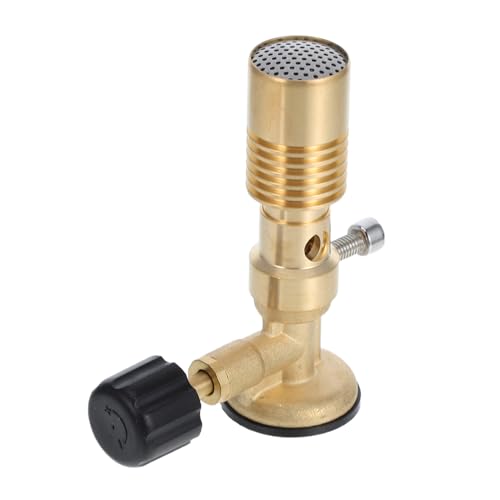
Therefore, if you want to melt copper wire, you would need to use a higher temperature heat source, such as a blowtorch or a furnace. These heat sources can reach temperatures well above the melting point of copper and are capable of melting the wire.
It’s important to note that extreme caution should be exercised when working with high temperatures and melting copper wire. Safety equipment, proper ventilation, and protective clothing should be used to minimize risks.
What Temperature Does Copper Melt
Copper is a commonly used metal in various industries due to its excellent electrical and thermal conductivity. But have you ever wondered at what temperature copper actually melts? Understanding the melting point of copper is important for many applications, including soldering.
The melting point of copper is approximately 1,083 degrees Celsius (1,982 degrees Fahrenheit). At this temperature, copper transforms from a solid state to a liquid state, becoming malleable and ready to be shaped. It is important to note that the melting point of copper can slightly vary depending on impurities and alloying elements present in the copper.
Copper’s relatively low melting point makes it ideal for soldering applications. When soldering copper wires or components, a soldering iron is used to heat the joint area. The soldering iron typically operates at a temperature between 200 to 480 degrees Celsius (392 to 896 degrees Fahrenheit). This ensures that the solder, which has a lower melting point than copper, can flow and create a strong bond between the copper surfaces.
Factors Affecting the Melting Point of Copper
While the melting point of copper is well-defined, there are a few factors that can influence it:
- Purity: The presence of impurities can lower the melting point of copper. Higher purity copper will have a higher melting point.
- Alloying elements: Copper alloys, such as brass and bronze, have different melting points depending on the composition of the alloy.
- Pressure: Applying high pressure can alter the melting point of copper, but this is not typically a significant factor in most applications.
- Heating rate: The rate at which copper is heated can affect its melting point. Rapid heating may result in a lower effective melting point.
Overall, copper has a relatively low melting point compared to other metals, making it easy to work with in various applications. Understanding the melting point of copper is crucial for efficient and effective soldering processes.
Note: Always follow proper safety precautions when working with high temperatures, such as using protective equipment and handling tools with care.
Questions and answers
Can a soldering iron melt copper wire?
Yes, a soldering iron can melt copper wire. Soldering irons typically range in temperature from 200°C to 480°C, which is hot enough to melt copper wire.
How hot does a soldering iron need to be to melt copper wire?
A soldering iron typically needs to be heated to around 400°C in order to melt copper wire. Copper has a melting point of 1085°C, so a soldering iron within the temperature range of 200°C to 480°C should easily be able to melt the wire.


Meet Harrison Clayton, a distinguished author and home remodeling enthusiast whose expertise in the realm of renovation is second to none. With a passion for transforming houses into inviting homes, Harrison's writing at https://hutsrenovations.co.uk/ brings a breath of fresh inspiration to the world of home improvement. Whether you're looking to revamp a small corner of your abode or embark on a complete home transformation, Harrison's articles provide the essential expertise and creative flair to turn your visions into reality. So, dive into the captivating world of home remodeling with Harrison Clayton and unlock the full potential of your living space with every word he writes.