Do You Need To Tin A New Soldering Iron




When it comes to using a new soldering iron, one question often arises: do you need to tin it before you start soldering? Tinning a soldering iron involves coating the tip with a layer of solder, and it is a common practice among many soldering enthusiasts and professionals. However, some people argue that tinning a new soldering iron is unnecessary, as modern soldering tips are often pre-tinned.
There are several reasons why tinning a new soldering iron may be beneficial. First and foremost, tinning helps to protect the soldering iron tip from oxidation. Oxidation can occur when the iron is exposed to air, causing the tip to become dull and ineffective. By tinning the tip, you create a barrier between the iron and the air, preventing oxidation and ensuring better heat transfer during soldering.
In addition to its protective properties, tinning also helps to improve the soldering performance of the iron. A tinned tip allows the solder to flow more smoothly and evenly, creating stronger and more reliable solder joints. It also helps to prevent the solder from “balling up” or “beading” on the tip, which can lead to poor soldering results.
That being said, tinning a new soldering iron may not be necessary in all cases. As mentioned earlier, some soldering tips come pre-tinned from the manufacturer, eliminating the need for additional tinning. However, it is always a good idea to inspect the tip before starting any soldering project. If the tip appears dull or oxidized, tinning it can greatly improve its performance.

Why Should You Tin A New Soldering Iron?
When you purchase a new soldering iron, it may already come with a protective coating or plating on the tip. This coating is typically applied to prevent oxidation and ensure the tip remains in good condition during shipping and storage. However, this protective coating can hinder the transfer of heat and prevent efficient soldering.
Tinning a new soldering iron involves applying a thin layer of solder to the tip. This process helps to remove any protective coating or plating and provides several benefits:
1. Improves heat transfer:
Tinning the tip of a new soldering iron helps to remove any barriers that may prevent efficient heat transfer. By applying solder, you create a direct contact between the tip and the soldering joint, ensuring optimal heat conductivity. This allows the soldering iron to reach the desired temperature faster and maintain a consistent temperature throughout the soldering process.
2. Enhances soldering performance:
By tinning a new soldering iron, you create a smooth and even surface on the tip, which improves solder flow and adhesion. The thin layer of solder helps to create a reliable connection between the components being soldered and maximizes the quality and strength of the joint. Tinning also prevents the tip from becoming clogged with oxidation or debris, ensuring a clean soldering process.
It is important to note that tinning a new soldering iron should be done with caution and following proper safety procedures. If you are unsure about the tinning process or using a new soldering iron, it is recommended to consult the manufacturer’s instructions or seek guidance from experienced professionals.
Benefits of Tinning a New Soldering Iron
Tinning a new soldering iron is a common practice among experienced solderers, and it offers several benefits that can improve your soldering experience and the quality of your work.
Improved heat transfer: Tinning the tip of your soldering iron helps to improve heat transfer between the iron and the solder joint. By applying a thin layer of solder to the tip, you create a more efficient surface for transferring heat, allowing for quicker and more effective soldering.
Preventing oxidation: The tip of a new soldering iron may contain flux residue or surface oxidation. Tinning the iron forms a protective barrier on the tip, preventing further oxidation and ensuring a clean and reliable soldering connection.
Longer tip life: The act of tinning your soldering iron helps to extend the life of the tip. By regularly tinning the iron, you create a protective layer that prevents the tip from corroding and wearing out too quickly. This can save you both time and money in the long run, as you won’t have to replace your iron tips as frequently.
Easier soldering: Tinning your soldering iron makes the soldering process easier, especially when working with smaller components or delicate circuit boards. The thin layer of solder on the tip helps the solder flow more smoothly and evenly, making it easier to create strong and reliable connections.
Reduced risk of damage: When tinning a new soldering iron, you familiarize yourself with the iron and its temperature settings. This can help reduce the risk of overheating sensitive components or damaging the solder joints. Taking the time to tin your iron properly ensures that you start off with a clean and properly prepped tool, minimizing the chance of accidental damage.
Overall, tinning a new soldering iron is a quick and simple step that offers several benefits. By improving heat transfer, preventing oxidation, extending tip life, making soldering easier, and reducing the risk of damage, tinning sets you up for success in your soldering projects. So, the next time you get a new soldering iron, don’t forget to give it a proper tinning before you start soldering.
How to Tin a New Soldering Iron Correctly
Tinning a new soldering iron is an essential step to ensure its proper functionality and longevity. Tinning refers to the process of coating the soldering iron tip with a thin layer of solder. This helps to improve heat transfer, prevent oxidation, and facilitate the soldering process. Here is a step-by-step guide on how to tin a new soldering iron correctly:
Step 1: Gather the necessary materials
Before you begin, make sure you have the following materials ready:
- A new soldering iron
- Soldering flux
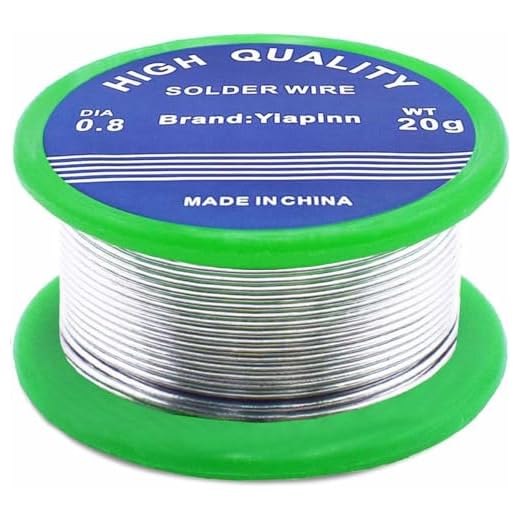
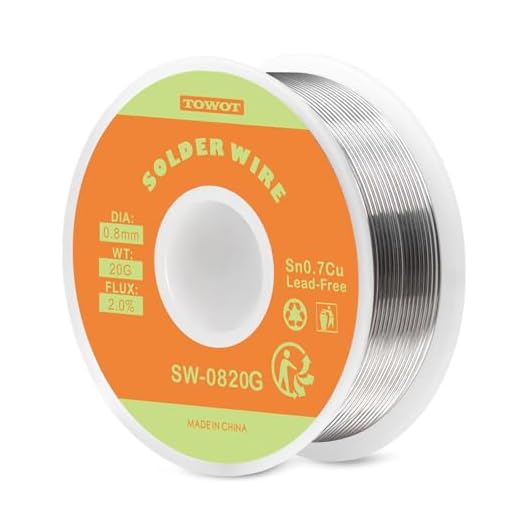
- Solder wire
- A sponge or wet cloth
Step 2: Prepare the soldering iron
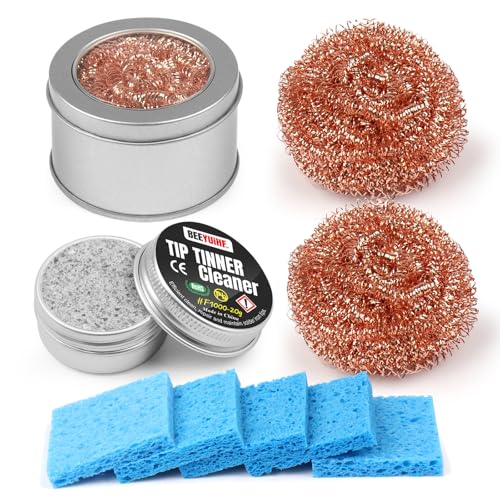
Start by plugging in the soldering iron and allowing it to heat up to its operating temperature. This typically takes a few minutes. In the meantime, ensure the soldering iron tip is clean and free from any debris or oxidation. If necessary, gently clean the tip using a brass wire cleaner or a damp sponge.
Step 3: Apply soldering flux
Once the soldering iron is heated up, apply a small amount of soldering flux to the tip of the iron. The flux helps to remove any remaining oxidation and promotes better solder adhesion.
Step 4: Tin the soldering iron
With the flux applied, take a small amount of solder wire and touch it to the tip of the iron. The heat should melt the solder, resulting in a shining, smooth surface on the tip. Move the solder wire around in circular motions to evenly distribute the solder across the tip. Be careful not to apply too much solder, as an excessive buildup can negatively affect soldering performance.
Step 5: Wipe off excess solder
After tinning the soldering iron, gently wipe off any excess solder using a damp sponge or cloth. This will help to remove any excess solder and ensure a clean working surface for soldering.
Step 6: Repeat as needed
Tinning a new soldering iron may need to be repeated periodically, especially with heavy usage or when the soldering iron tip becomes oxidized or dirty. Regular tinning helps to maintain good soldering performance and extends the life of the soldering iron.
By following these steps, you can ensure that your new soldering iron is correctly tinned, allowing for reliable and efficient soldering operations. Remember to always prioritize safety and work in a well-ventilated area.
The Importance of Tinning for Soldering Efficiency
When it comes to soldering, tinning your soldering iron is an essential step in ensuring efficient and effective results. Tinning refers to the process of applying a thin layer of solder to the tip of the soldering iron. While it may seem like an unnecessary step, tinning offers various benefits that greatly enhance your soldering experience.
Improved Heat Transfer
By tinning your soldering iron, you create a smooth and even surface on the tip. This smooth surface improves heat transfer between the solder and the component you are working on. Tinning helps to prevent any heat loss that could occur due to oxidation or contamination on the tip of the iron. The improved heat transfer ensures that the solder melts quickly and evenly, allowing for a strong and secure bond.
Protection against Oxidation
The process of tinning also helps to protect the tip of your soldering iron from oxidation. Oxidation occurs when the hot iron is exposed to air, leading to the formation of iron oxide on the surface. This oxide layer can negatively affect the soldering process as it prevents proper heat transfer and can cause the solder to bead up or not adhere properly. Tinning creates a barrier between the iron and the air, reducing the risk of oxidation and ensuring a clean and reliable soldering surface.
Furthermore, tinning helps to maintain the tip of your soldering iron by preventing it from corroding or deteriorating over time. A properly tinned tip is less prone to damage and will have a longer lifespan compared to an untinned one.
Easy Clean-Up
When you tin your soldering iron, any excess solder that may accumulate on the tip during the soldering process can be easily wiped off. This means less time spent cleaning and more time focused on your soldering work. Additionally, tinning helps to reduce the amount of solder that sticks to the tip, making it easier to remove any remaining solder for future soldering tasks.
In conclusion, tinning your soldering iron is an important step that should not be overlooked. It improves heat transfer, protects against oxidation, and facilitates easy clean-up. By taking the time to tin your soldering iron, you can optimize your soldering efficiency and achieve high-quality soldered connections.
Common Mistakes to Avoid When Tinning a New Soldering Iron
When it comes to tinning a new soldering iron, there are a few common mistakes that beginners often make. These mistakes can lead to poor solder joints, shorten the lifespan of your tip, or even damage your iron altogether. To ensure successful tinning, it’s important to avoid the following mistakes:
1. Overheating the Tip: One of the most common mistakes is applying too much heat to the tip of the soldering iron. This can cause the tip to become oxidized or even burn out. It’s important to heat the tip to the correct temperature, generally around 350-400 degrees Celsius, to achieve the right solder flow.
2. Using the Wrong Type of Flux: Flux is essential for tinning a soldering iron, as it helps to remove oxidation from the tip and improves solder flow. However, using the wrong type of flux can lead to poor tinning results. It’s crucial to use flux specifically designed for tinning soldering irons.
3. Applying Excessive Amounts of Solder: Another common mistake is using too much solder when tinning the iron. This can cause solder to drip or accumulate on the tip, affecting its performance. It’s important to apply a thin, even layer of solder to create a smooth, shiny surface on the tip.
4. Neglecting to Clean the Tip: Before tinning a new soldering iron, it’s essential to clean the tip thoroughly. This removes any dirt, residue, or previous solder that may interfere with the tinning process. Neglecting to clean the tip can result in poor tinning and difficulty in soldering components.
5. Not Allowing the Tip to Cool: After tinning the iron, it’s important to allow the tip to cool before using it. Using a hot soldering iron immediately after tinning can cause the solder to melt and create poor solder joints. Give the tip sufficient time to cool down and solidify the solder coating.
Tinning a new soldering iron properly is crucial for efficient soldering and extending the life of your iron. By avoiding these common mistakes, you can achieve better soldering results and ensure the longevity of your soldering iron.
Tips for Maintaining a Properly Tinned Soldering Iron
Keeping your soldering iron properly tinned is essential for maintaining its performance and ensuring quality solder joints. Here are some tips to help you maintain a properly tinned soldering iron:
1. Clean Your Soldering Iron Regularly
Before tinning your soldering iron, make sure it is clean. You can use a damp sponge or a brass wire sponge to remove any solder residues or oxidation. A clean soldering iron will allow for better heat transfer and a clean tinning process.
2. Use the Right Type of Solder
Choosing the right type of solder is crucial for achieving a properly tinned soldering iron. Use a rosin-core solder with a diameter specifically designed for electronics. The rosin core helps remove oxidation and ensures a smooth tinning process.
3. Preheat Your Soldering Iron
Before tinning, it is recommended to preheat your soldering iron. This ensures that the solder melts evenly and bonds properly with the iron. Preheating also helps remove any moisture that may be present on the iron’s tip.
4. Tin Often
Regularly tinning your soldering iron is essential for maintaining its performance. After cleaning and preheating, apply a small amount of solder to the iron’s tip. Spread it evenly until the entire tip is coated with a thin layer of solder. This layer creates a protective barrier against oxidation and enhances heat transfer.
5. Avoid Excessive Tinning
While it is important to keep your soldering iron properly tinned, avoid excessive tinning. Applying too much solder can result in the buildup of a thick layer, which can hinder proper heat transfer and affect soldering performance. Only a thin layer of solder is needed to maintain a properly tinned soldering iron.
6. Check Your Soldering Iron Regularly
Periodically inspect your soldering iron’s tip to ensure it remains properly tinned. If you notice any signs of oxidation, heat damage, or a worn-out tip, it may be time to retin or replace the tip. A damaged tip can affect soldering quality and make it difficult to achieve proper tinning.

By following these tips, you can maintain a properly tinned soldering iron and ensure optimal performance for all your soldering projects.
Questions and answers
Why do I need to tin a new soldering iron?
Tinning a new soldering iron is necessary because it helps to protect the iron tip from oxidation and extends its lifespan. The tin coating prevents the tip from rusting and ensures that the heat is transferred efficiently during soldering.
When should I tin a new soldering iron?
It is recommended to tin a new soldering iron before the first use. This helps to remove any manufacturing residues or protective coatings that may be present on the iron tip. Tinning the iron creates a clean and smooth surface, ensuring optimal soldering performance.
How do I tin a new soldering iron?
To tin a new soldering iron, follow these steps: first, heat the soldering iron to its operating temperature. Next, clean the iron tip with a wet sponge or brass wire pad to remove any dirt or debris. Then, apply a small amount of solder to the iron tip, evenly coating it. Finally, wipe off any excess solder with a sponge or cloth. Your new soldering iron is now ready for use.
What will happen if I don’t tin a new soldering iron?
If you don’t tin a new soldering iron, the iron tip can oxidize, leading to poor heat transfer and decreased soldering performance. Oxidation can cause the iron tip to become black and pitted, making it difficult to transfer heat effectively to the solder joint. Tinning the iron helps prevent oxidation and ensures reliable and efficient soldering.
Should I tin a new soldering iron if it already has a protective coating?
Yes, even if a new soldering iron has a protective coating, it is still recommended to tin the iron before the first use. Tinning helps to remove any residual coating and ensures a clean and smooth surface for optimal soldering performance. The protective coating is typically meant to prevent corrosion during storage and transportation, but it may interfere with proper soldering if not removed.



Meet Harrison Clayton, a distinguished author and home remodeling enthusiast whose expertise in the realm of renovation is second to none. With a passion for transforming houses into inviting homes, Harrison's writing at https://hutsrenovations.co.uk/ brings a breath of fresh inspiration to the world of home improvement. Whether you're looking to revamp a small corner of your abode or embark on a complete home transformation, Harrison's articles provide the essential expertise and creative flair to turn your visions into reality. So, dive into the captivating world of home remodeling with Harrison Clayton and unlock the full potential of your living space with every word he writes.