How To Melt Solder Without A Soldering Iron

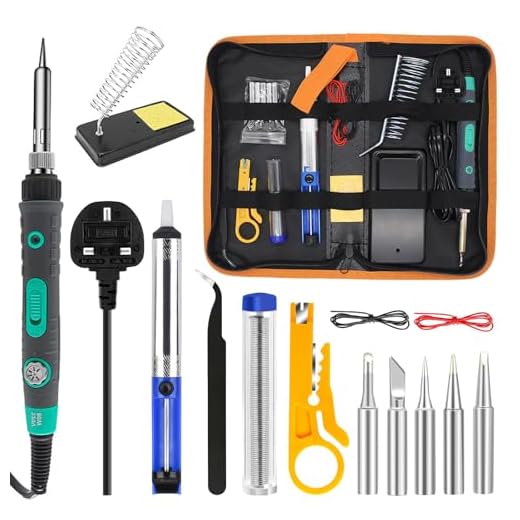
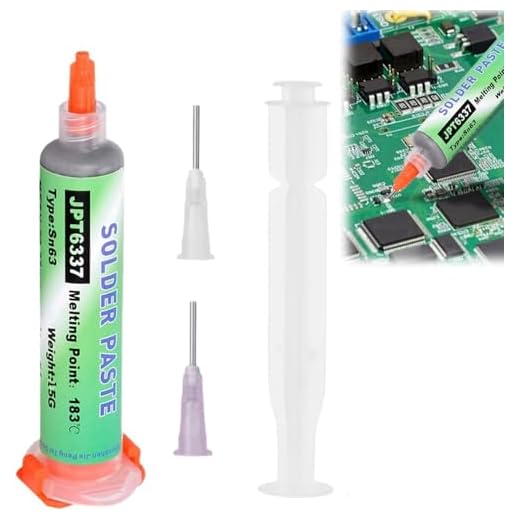
If you enjoy tinkering with electronics or have a project that requires soldering, you may find yourself in a tough spot if you don’t have a soldering iron on hand. However, there are alternative methods that can help you melt solder without relying on this specific tool. Whether you’re in a pinch or looking to explore new techniques, there are a few creative solutions that you can try.
1. Open Flame: One option is to use an open flame, such as a lighter or a small torch, to heat up the solder. Hold the flame close to the area where you want the solder to melt and apply the solder to the heated surface. Be careful to avoid any accidents and work in a well-ventilated area to prevent inhaling toxic fumes.
2. Hot Air Gun: Another method involves using a hot air gun, which is often used for heat-shrinking or paint-stripping. Set the hot air gun to a low temperature and hold it close to the solder joint. As the surrounding area heats up, the solder will eventually melt. Just make sure to keep the hot air gun moving and avoid overheating the components.
3. Electric Stove: If you have an electric stove, you can also try melting solder using the stove’s heating element. Place a metal container directly on the burner and let it heat up. Once the container is hot enough, hold the solder against it until it melts. It’s crucial to exercise caution and never leave the stove unattended during this process.

Remember, these alternative methods are not as precise or efficient as using a soldering iron. They may also pose safety risks if not used correctly. Always prioritize safety, use protective equipment, and ensure proper ventilation when attempting any unconventional soldering techniques.
When all else fails, it’s best to invest in a quality soldering iron. It will provide the necessary control and precision for all your soldering needs. However, in a desperate situation, these creative solutions might just save the day!
What is soldering?
Soldering is a technique used to join two or more metals together using a filler metal called solder. It is commonly used in various industries, including electronics, plumbing, and jewelry making. Soldering creates a strong and permanent bond between the metals, allowing for the transfer of electrical current or the flow of liquid.
The process of soldering involves heating the metals to be joined and applying the solder, which has a lower melting point, to the joint. Once the solder melts and solidifies, it forms a metallurgical bond with the metals, creating a secure connection. Soldering is typically performed using a soldering iron or a soldering gun, which provide the necessary heat.
Soldering is widely used in electronics to assemble and repair circuit boards, electrical connections, and components. It allows for the precise and reliable joining of wires, components, and other electrical elements. Soldering is also commonly used in plumbing to connect pipes and fittings, ensuring a leak-proof seal. In jewelry making, soldering is used to create intricate designs and secure gemstones or metal pieces together.
Overall, soldering is a versatile and essential technique that enables the creation and repair of a wide range of metal-based products. It requires skill and precision to ensure a strong and durable bond, making it an important skill for professionals and enthusiasts alike.
Why would you want to melt solder without a soldering iron?
While soldering irons are the primary tool for melting solder, there may be situations where you find yourself without one or unable to use one. In such cases, alternative methods for melting solder can be useful. Here are a few reasons why you might want to melt solder without a soldering iron:
1. Emergency situations
In emergency situations, such as when you need to quickly repair a broken electronic component or fix a loose connection, having an alternative method to melt solder can be invaluable. It allows you to make temporary repairs until a proper soldering iron is available.
2. Lack of resources
In some cases, you may not have access to a soldering iron or other specialized tools. This can happen when you are traveling, in remote locations, or simply don’t have the means to acquire a soldering iron. Knowing alternative ways to melt solder can help you complete necessary repairs or projects.
3. Experimentation and learning
For those interested in electronics and soldering, exploring different techniques and methods can be a valuable learning experience. Trying to melt solder without a soldering iron can challenge your problem-solving skills and expand your knowledge of soldering processes.
Although melting solder without a soldering iron may not always be the most ideal method, it can be a useful skill to have in certain situations. By exploring alternative techniques, you can become more versatile in your soldering abilities.
Methods of melting solder without a soldering iron
When you don’t have a soldering iron on hand, there are several alternative methods for melting solder that you can try. These methods are not as precise or efficient as using a soldering iron, but they can get the job done in a pinch:
1. Use a hot knife: If you have a knife with a heated blade, you can heat it up and use it to melt solder. This method requires caution and precision to avoid injury, as the blade can get extremely hot.
2. Use a heat gun: A heat gun is a versatile tool that can be used for various applications, including soldering. By directing the hot air flow onto the solder joint, you can heat it up enough to melt the solder. However, it can be challenging to control the heat and avoid overheating surrounding components.
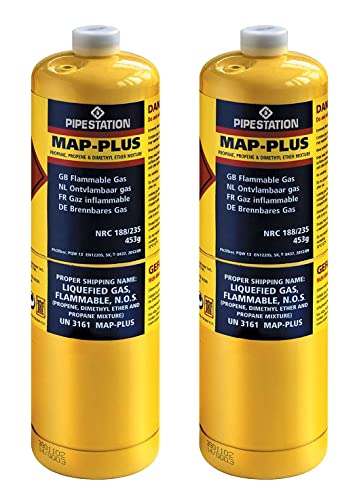
3. Use a propane torch: A propane torch can provide a concentrated and intense flame, which can be used to melt solder. It is important to exercise caution and practice proper safety measures when using a torch, as it can generate high temperatures and pose a fire hazard.
4. Use a soldering iron substitute: There are products available on the market that can be used as substitutes for a soldering iron. These tools work by heating up a metal tip that can then be used to melt solder. They are portable and convenient for small soldering jobs.
5. Use a soldering paste: Soldering paste is a flux mixed with powdered solder, which can be used to create a temporary bond without the need for a soldering iron. By applying heat from a heat gun or torch, the powdered solder melts and creates a joint. However, this method may not be as reliable or strong as traditional soldering.
While these alternative methods can be useful in certain situations, it’s important to note that they are not substitutes for a proper soldering iron. A soldering iron provides precise control, consistent heat, and better results overall. If you find yourself needing to solder frequently, investing in a good soldering iron is highly recommended.
Using a soldering gun
A soldering gun is another tool that can be used to melt solder without a soldering iron. It is a more powerful tool that can generate a higher temperature than a soldering iron. However, it is important to use caution when using a soldering gun as it can also generate more heat, increasing the risk of accidents or damaging delicate electronic components.
Here are the steps to melt solder using a soldering gun:
Step 1: Prepare your work area
Ensure you have a flat and stable surface to work on. Clean the area and remove any flammable materials to avoid accidents.
Step 2: Plug in the soldering gun
Plug in the soldering gun and allow it to heat up. Many soldering guns have a trigger that needs to be pulled to activate the heat.
Step 3: Clean the soldering gun tip
Before using the soldering gun, clean the tip with a damp sponge or cloth to remove any dirt or residue. This will help ensure proper contact with the solder.
Step 4: Apply solder to the joint
Hold the soldering gun tip against the joint you want to solder and wait a few seconds for the solder to melt. Once the solder melts, apply it to the joint. Be careful not to apply too much solder, as it can cause bridging or create unwanted connections.
Step 5: Allow the solder to cool
After applying the solder, allow it to cool and solidify before moving or disturbing the joint. This will ensure a strong and reliable connection.
While using a soldering gun can be an effective way to melt solder without a soldering iron, it is important to remember that it is a more powerful tool and requires extra care and attention. Always wear proper protective gear and work in a well-ventilated area to avoid inhaling fumes.
Using a hot plate or stove
If you don’t have a soldering iron, you can still melt solder by using a hot plate or stove. While this method may not be the most conventional, it can be effective for simple soldering tasks.
Materials needed:
- Hot plate or stove
- Solder
- Heat-resistant surface
- Flux (optional)
- Soldering wick or sponge (optional)
Instructions:
- Choose a well-ventilated area as using a hot plate or stove may produce fumes.
- Place the heat-resistant surface on the hot plate or stove to protect it from damage.
- Turn on the hot plate or stove and set it to a low or medium heat setting.
- If using flux, apply a small amount to the areas where you want to solder.
- Hold the soldering iron over the heat source until it becomes hot enough to melt the solder.
- Touch the solder to the heated soldering iron, allowing it to melt.
- Quickly remove the soldering iron and place the melted solder onto the desired area, making sure it connects the components properly.
- Allow the solder to cool and solidify before moving or handling the soldered components.
- If necessary, clean the soldered joint using soldering wick or a damp sponge to remove any excess solder or flux residue.
Please note that using a hot plate or stove for soldering can be hazardous and should be done with caution. Always follow safety precautions and ensure proper ventilation when using this method.
| 1. | Use a low or medium heat setting on the hot plate or stove to prevent overheating the solder. |
| 2. | Be extra careful when working with flammable materials or components that may be sensitive to heat. |
| 3. | Consider using a heat-resistant mat or surface to provide additional protection. |
| 4. | If possible, work near a window or use a fan to ensure proper ventilation and reduce exposure to fumes. |
| 5. | Always have a fire extinguisher nearby in case of an emergency. |
Using a gas torch or lighter
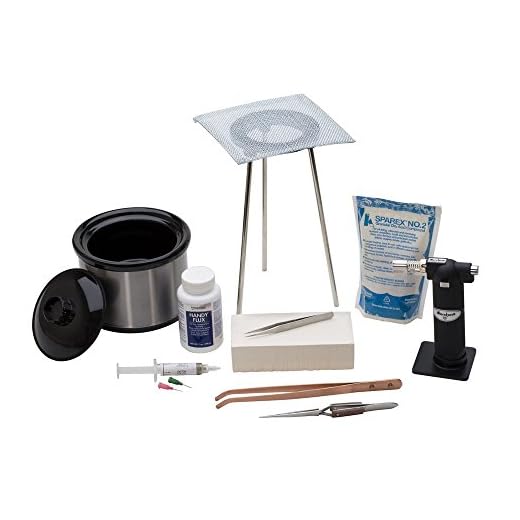
If you don’t have a soldering iron on hand, you can still melt solder using a gas torch or a lighter. While this method is not as precise as using a soldering iron, it can still get the job done in a pinch.
Here’s how you can melt solder using a gas torch or lighter:
- Select a well-ventilated area: Before you begin, make sure you are working in a well-ventilated space to avoid inhaling any fumes.
- Gather the necessary materials: You will need a gas torch or a lighter, solder wire, flux (optional), and safety goggles.
- Prepare the solder joint: Ensure that the surface you want to solder is clean and free of any debris or oxidation. If necessary, use sandpaper or a wire brush to remove any dirt or rust.
- Apply heat to the joint: Hold the gas torch or lighter close to the solder joint and apply heat. Move the flame evenly across the joint to distribute the heat and prevent overheating.
- Melt the solder: Touch the solder wire to the heated joint and allow it to melt and flow into the joint. Make sure the solder is applied evenly and covers the entire joint.
- Remove the heat: Once the solder has melted and flowed properly, remove the heat source. Allow the joint to cool down and solidify before handling it.
It’s important to note that using a gas torch or lighter requires extra caution due to the open flame. Always wear safety goggles to protect your eyes and work in a well-ventilated area to avoid inhaling any fumes. Practice safety measures and be mindful of potential fire hazards.
This method should only be used when a soldering iron is not available or practical. A soldering iron provides better control and precision, so it is recommended to use one when possible.
Remember, safety should be your top priority when working with any tools or equipment.
Using a soldering pot or crucible
If you don’t have access to a soldering iron, another option for melting solder is to use a soldering pot or crucible. This method is commonly used in professional soldering situations and requires a few additional tools and precautions.
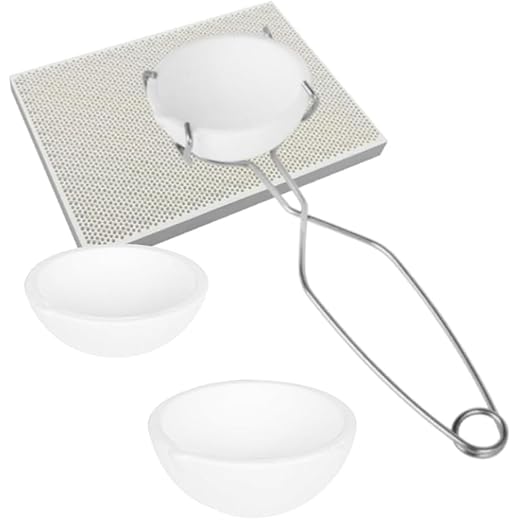
Here’s how you can melt solder without a soldering iron using a soldering pot or crucible:
- First, gather all the necessary tools and materials, including a soldering pot or crucible, solder wire, flux, a heat source such as a gas burner or propane torch, and safety equipment like gloves and goggles.
- Ensure that you are working in a well-ventilated area to avoid inhaling any potentially harmful fumes.
- Prepare the solder wire by cutting it into small pieces and cleaning it if necessary.
- Apply flux to the solder wire to help with the soldering process and ensure good adhesion.
- Place the solder wire into the soldering pot or crucible, ensuring that it is completely covered and separated from the heat source.
- Heat the soldering pot or crucible using the chosen heat source until the solder wire starts to melt. Be careful not to overheat the solder and cause it to oxidize.
- Once the solder has melted, you can use a soldering tool like a tweezers or a wire to transfer the molten solder to the desired location.
- Allow the solder to cool and solidify before proceeding with any further soldering or circuit connections.
It’s important to note that using a soldering pot or crucible can be more challenging and potentially dangerous compared to using a soldering iron. Therefore, it’s crucial to follow proper safety precautions and seek guidance from experienced professionals if you are unsure about the process.
Safety precautions
When melting solder without using a soldering iron, it’s important to take certain safety precautions to prevent accidents and protect yourself from potential harm. Here are some key safety measures to keep in mind:
1. Ventilation:
Make sure to work in a well-ventilated area or use a fume extractor to prevent the inhalation of harmful fumes produced by the solder. Solder contains lead and other chemicals that can be hazardous when inhaled.
2. Eye protection:
Wear safety goggles or a face shield to protect your eyes from any flying debris or hot solder that may splatter during the melting process.
3. Heat resistance:
Use tools, such as heat-resistant gloves or pliers, to handle the heated materials and prevent burns or other injuries.
4. Fire safety:
Ensure that you have a fire extinguisher or a bucket of water nearby in case of any accidental fires. Avoid working near flammable materials or surfaces.

Note: Always carefully read and follow the safety guidelines provided with the specific method you choose for melting solder without a soldering iron.
Remember, safety should always be a top priority when working with any potentially hazardous materials or processes. It is important to take the necessary precautions to protect yourself and those around you.
Questions and answers
Is it possible to melt solder without a soldering iron?
Yes, it is possible to melt solder without a soldering iron. There are several alternative methods that can be used to melt solder, such as using a hot plate, a torch, or a solder pot.
What is a hot plate and how can it be used to melt solder?
A hot plate is a heating device that can be used to melt solder. It has a flat surface that can be heated to a high temperature. To melt solder using a hot plate, place the solder on the hot plate and heat it until it becomes molten.
Can a torch be used to melt solder?
Yes, a torch can be used to melt solder. However, it is important to use caution when using a torch, as it generates high heat. To melt solder using a torch, heat the solder joint with the flame until it reaches the melting point of solder.
What is a solder pot and how is it used to melt solder?
A solder pot is a device that is specifically designed for melting solder. It consists of a container filled with molten solder. To melt solder using a solder pot, simply dip the component or wire that needs to be soldered into the pot, and the solder will melt onto the surface.



Meet Harrison Clayton, a distinguished author and home remodeling enthusiast whose expertise in the realm of renovation is second to none. With a passion for transforming houses into inviting homes, Harrison's writing at https://hutsrenovations.co.uk/ brings a breath of fresh inspiration to the world of home improvement. Whether you're looking to revamp a small corner of your abode or embark on a complete home transformation, Harrison's articles provide the essential expertise and creative flair to turn your visions into reality. So, dive into the captivating world of home remodeling with Harrison Clayton and unlock the full potential of your living space with every word he writes.