How To Remove Solder With Soldering Iron

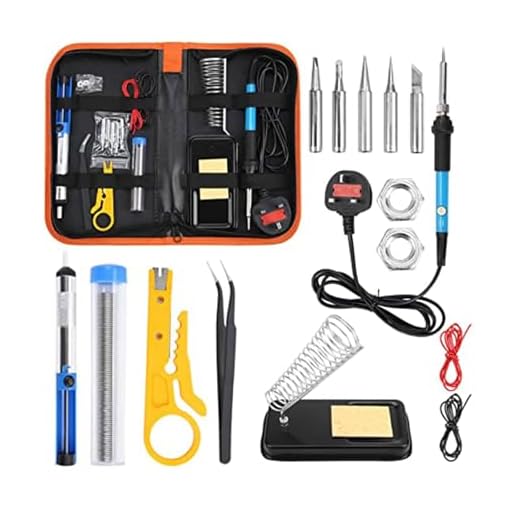

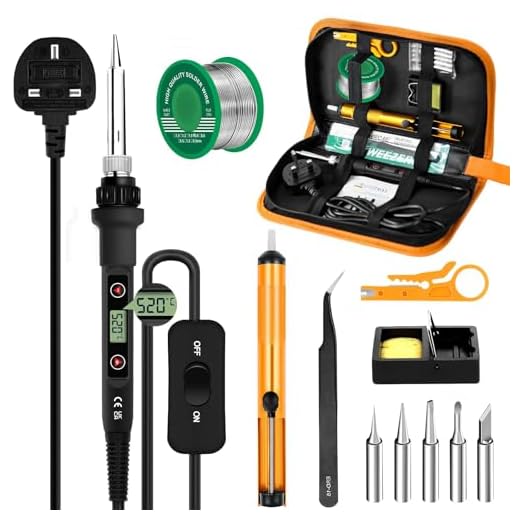
Whether you are a professional or a hobbyist, working with solder is a common occurrence in the world of electronics. However, there may come a time when you need to remove solder from a particular joint or component. In such cases, a soldering iron can be a handy tool to have.
A soldering iron is designed to heat up solder, making it easier to melt and remove. There are several methods you can use to remove solder with a soldering iron, depending on the specific situation and the type of joint you are working with.
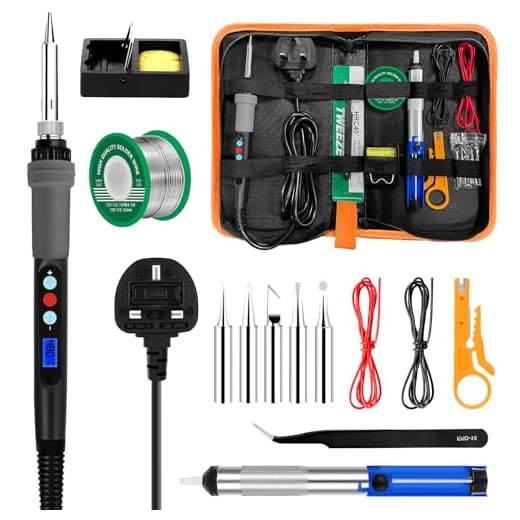
One method is to apply the heated soldering iron directly to the joint and then use a desoldering pump or solder wick to remove the molten solder. The desoldering pump is a small tool that creates a vacuum, sucking up the molten solder as you press the plunger. Solder wick, on the other hand, is a copper braid that absorbs the solder when heated, allowing you to remove it easily.

Another option is to use a soldering iron with a built-in solder sucker. This tool combines the functions of a soldering iron and a desoldering pump in one. You can simply heat up the solder with the iron and then press the trigger on the solder sucker to create a vacuum and remove the molten solder.
It is important to note that when using a soldering iron to remove solder, you should take certain precautions to avoid damaging the components or the circuit board. Ensure that the temperature of the iron is appropriate for the type of solder you are working with and that you do not apply too much pressure, as this can lead to unnecessary force and damage. Additionally, always work in a well-ventilated area and wear appropriate safety gear, such as safety glasses, to protect your eyes from any hot solder splatters.
In conclusion, a soldering iron can be a valuable tool for removing solder from joints or components. By using the appropriate method and taking necessary precautions, you can effectively and safely remove solder with a soldering iron and maintain the integrity of your electronic projects.
What is Soldering Iron?
A soldering iron is a hand tool used for soldering, which is the process of joining two or more metal parts together by melting and flowing a filler metal, called solder, into the joint. It consists of a heated metal tip, called a soldering tip or bit, which is coated with a thin layer of solder. The tip is generally made of copper, which has good thermal conductivity, allowing it to quickly transfer heat to the joint.
Soldering irons come in different sizes and power ratings. Some are small and lightweight, suitable for delicate electronic work, while others are larger and more powerful, suitable for heavy-duty tasks like plumbing and automotive repair.
There are two main types of soldering irons: standard soldering irons and soldering stations. A standard soldering iron is a simple tool with a fixed temperature and no additional features. It is typically plugged directly into a power outlet and operated by an on/off switch. A soldering station, on the other hand, is a more advanced tool that offers temperature control and other features like an adjustable stand and a built-in soldering iron holder. It consists of a power supply unit and a detachable soldering iron, which can be replaced with different types of tips depending on the application.
Soldering irons are commonly used in various industries and professions, including electronics, electrical engineering, jewelry making, plumbing, and automotive repair. They are essential tools for any DIY enthusiast or professional who needs to join metal parts together reliably and securely.
Why Do You Need to Remove Solder with Soldering Iron?
Soldering is a common technique used to join electronic components together and create reliable connections. However, there are times when you may need to remove solder for various reasons. Here are a few situations where using a soldering iron to remove solder becomes necessary:
Mistakes or errors: During the soldering process, mistakes can happen, and you may end up soldering the wrong components together or creating weak connections. In such cases, removing the solder allows you to correct the errors and reassemble the electronic components properly.
Replacing components: When replacing a faulty component on a circuit board, you need to remove the existing solder to detach the old component safely. Using a soldering iron helps in melting the solder and separating the component from the circuit board without causing any damage.
Repairing or modifying circuits: While working with circuits, you may come across situations where you need to repair or modify the circuitry. Removing solder becomes essential to access the necessary components safely and make the required changes without damaging the surrounding circuitry.
Testing components: Sometimes, you may need to test individual components to identify faulty ones in a circuit. Removing solder from specific connections allows you to isolate components and test their functionality with precision.
Salvaging components: Disassembling electronic devices or salvaging components from old circuit boards often requires removing solder to extract the desired parts. A soldering iron is indispensable in safely melting the solder and separating the components without causing unnecessary damage.
Repairing or replacing damaged traces: Traces on a circuit board can get damaged due to various reasons such as physical stress or excessive heat. Removing the existing solder from the damaged area allows you to repair or replace the affected trace and restore the functionality of the circuit.
In conclusion, the ability to remove solder using a soldering iron is crucial in various scenarios, including correcting mistakes, replacing components, repairing circuits, testing components, salvaging parts, and fixing damaged traces. It is a valuable skill that every electronics enthusiast and technician should possess to ensure proper functionality and maintain the integrity of electronic systems.
Steps to Remove Solder with Soldering Iron
If you need to remove solder from a circuit board or other electronic components, using a soldering iron can be an effective method. The following steps will guide you through the process:
Step 1: Prepare the soldering iron and soldering wick or solder sucker. Make sure the iron is heated up and the soldering tip is clean and tinned.
Step 2: Identify the area with the solder you want to remove. Take note of any nearby delicate components or traces to avoid damaging them.
Step 3: Place the heated soldering iron tip on the solder joint you want to remove. Apply gentle pressure with the iron to heat up the solder.
Step 4: Once the solder melts, quickly position the soldering wick or solder sucker near the solder joint. The wick will absorb the melted solder, while the solder sucker will vacuum it away. Choose the tool that works best for you.
Step 5: While applying the soldering iron, press the wick against the solder to draw it into the wick’s copper braid. Alternatively, with the solder sucker, press the plunger down until it creates a vacuum and sucks up the melted solder.
Step 6: Release the pressure from the soldering iron and remove it from the solder joint. Inspect the joint to ensure all the solder has been removed. If necessary, repeat steps 3 to 6 until the solder is fully removed.
Step 7: Clean the area and inspect the results. Use alcohol or a cleaning agent to remove any residue left behind by the soldering process. Ensure that the area is free from any leftover solder debris.
Step 8: Wait for the soldering iron to cool down before putting it away. Store the soldering iron and other tools properly to prevent any damage or accidents.
By following these steps, you can effectively remove solder with a soldering iron, helping you repair or modify electronic components with ease.
Tips and Precautions
When removing solder with a soldering iron, it is important to follow a few tips and take certain precautions to ensure safety and efficiency. Here are some helpful tips:
1. Use proper safety gear
Before starting any soldering or desoldering work, make sure to wear proper safety gear, such as safety glasses, gloves, and a heat-resistant apron. This will protect you from potential hazards and minimize the risk of injury.
2. Check the temperature
Always ensure that the soldering iron is set to the correct temperature for desoldering. Using a temperature that is too high can damage the components or circuit board, while a temperature that is too low may not effectively melt the solder.
3. Clean the soldering iron tip
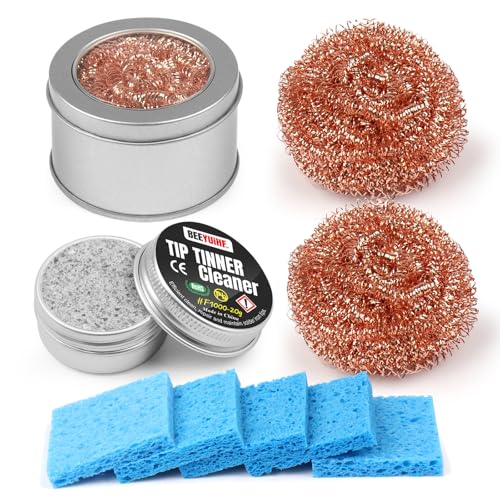
Before desoldering, it is important to clean the soldering iron tip. A dirty or worn-out tip can affect the heat transfer, making the desoldering process more difficult. Use a soldering iron tip cleaner or wet sponge to remove any residue or oxidation from the tip.
4. Prepare the work area
Clear the work area of any flammable materials or clutter that may pose a fire hazard. Make sure to have a fire extinguisher or fire blanket nearby, just in case.
5. Heat the solder joint
Apply the soldering iron to the solder joint, heating it evenly for a few seconds. This will help the solder to melt and become easier to remove. Avoid applying excessive heat for too long as it can damage the surrounding components.

6. Use desoldering braid or sucker
To remove the molten solder, use a desoldering braid or a desoldering sucker. The braid is a copper wire coated with flux that absorbs the molten solder, while the sucker uses a manual vacuum to suck out the molten solder. Choose the method that works best for you.
7. Avoid excessive force
When using the desoldering braid or sucker, gently press it against the molten solder and wait for it to cool. Avoid applying excessive force as it can damage the solder joint or the circuit board.
8. Clean the area after desoldering
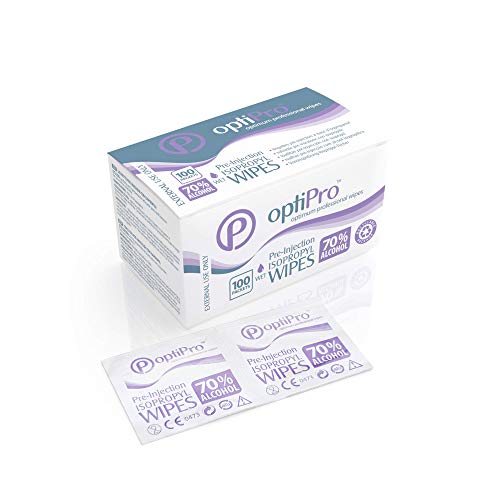
After removing the solder, clean the area with isopropyl alcohol or a specialized cleaning solution to remove any flux residue. This will ensure a clean and corrosion-free surface for any further soldering or component replacement.

By following these tips and taking the necessary precautions, you can successfully remove solder with a soldering iron while minimizing the risk of accidents or damage to the circuit board or components.
Questions and answers
What tools do I need to remove solder with a soldering iron?
In order to remove solder with a soldering iron, you will need a few tools. These include a soldering iron, soldering wick or solder sucker, flux, and safety equipment such as safety goggles and gloves.
Is it necessary to have experience with soldering in order to remove solder with a soldering iron?
No, you do not necessarily need experience with soldering in order to remove solder with a soldering iron. However, it is helpful to have a basic understanding of how soldering works and some experience using a soldering iron.


Meet Harrison Clayton, a distinguished author and home remodeling enthusiast whose expertise in the realm of renovation is second to none. With a passion for transforming houses into inviting homes, Harrison's writing at https://hutsrenovations.co.uk/ brings a breath of fresh inspiration to the world of home improvement. Whether you're looking to revamp a small corner of your abode or embark on a complete home transformation, Harrison's articles provide the essential expertise and creative flair to turn your visions into reality. So, dive into the captivating world of home remodeling with Harrison Clayton and unlock the full potential of your living space with every word he writes.