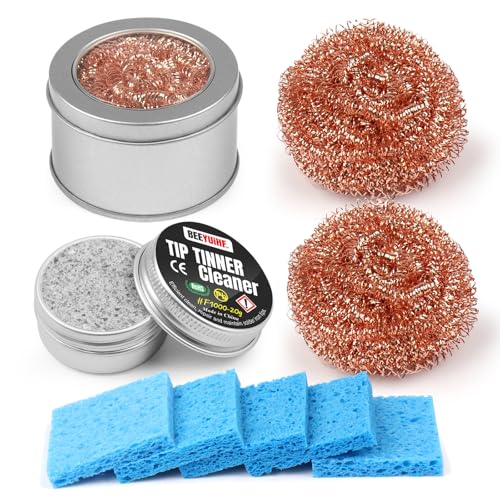
How To Solder Something Without A Soldering Iron

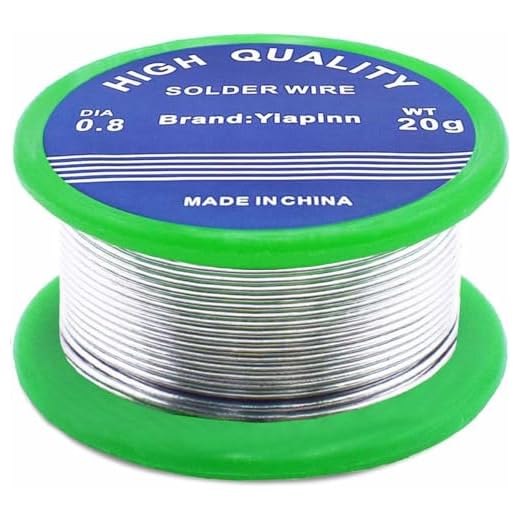


Soldering is a common technique used in electronics to join two or more metal components together. However, what do you do if you don’t have a soldering iron? Don’t worry, there are alternative methods to solder something without using this tool.
One option is to use a soldering gun. A soldering gun operates similarly to a soldering iron but is generally bigger and more powerful. It uses a transformer to heat up a copper tip, allowing you to melt solder and make connections. Although it may not be as precise as a soldering iron, it can be effective for simple soldering tasks.
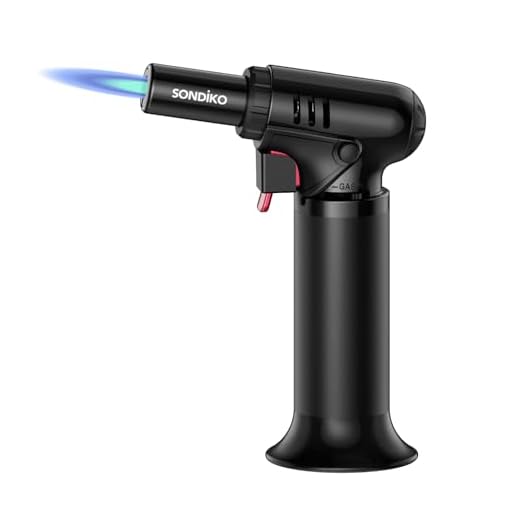
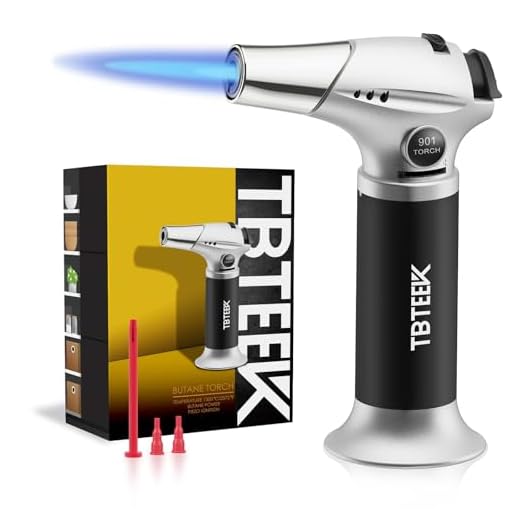
Another alternative is to use a soldering torch. A soldering torch is typically used for plumbing and jewelry making, but it can also work for electronics soldering. This tool generates a high temperature flame that can melt solder and create connections. However, it requires careful handling and can be dangerous, so make sure to follow safety guidelines and work in a well-ventilated area.
Choose the Right Alternative Method
When it comes to soldering without a soldering iron, there are several alternative methods you can use. However, it’s important to choose the right method based on the materials you are working with and the desired outcome of your project. Here are some options to consider:
- Wire Stripper or Wire Cutter: If you are working with wires, you can use a wire stripper or wire cutter to remove the insulation from the ends of the wires. This will allow you to twist the bare wires together to create a temporary connection.
- Epoxy or Glue: For non-electrical connections, you can use epoxy or glue to bond the materials together. It’s important to choose a strong adhesive that is suitable for the materials you are working with.
- Heat Gun: If you need to create a more permanent connection, you can use a heat gun to melt solder or solder paste onto the materials. This method requires caution and precision, as overheating can damage the materials or create a poor connection.
- Copper Tape: Another alternative method is to use copper tape. Simply place the copper tape on the surfaces you want to connect and press them together. This method is especially useful for small electronic components.
Before using any alternative method, it’s important to do your research and ensure that it is suitable for your specific project. Always take the necessary safety precautions and test the connection to ensure its reliability. Remember, while these alternative methods can be effective in certain situations, they are not a replacement for a proper soldering iron.
Gather the Required Materials
Before attempting to solder something without a soldering iron, it is important to gather all the necessary materials. While this method may not produce the same level of professional results as using a soldering iron, it can be a useful alternative in emergency situations or when a soldering iron is not readily available.
Here are the materials you will need:
1. Copper Wire
Find a piece of copper wire that is suitable for soldering. The wire should have a small diameter and be able to conduct heat well. Copper wire can often be found in old electronics or can be purchased from hardware stores.
2. Heat Source
In the absence of a soldering iron, you will need an alternative heat source to melt the solder. A butane lighter or a small torch can serve as a substitute. Make sure to handle any open flames with caution and work in a well-ventilated area.
3. Solder
Choose a solder that is appropriate for the materials you are working with. Lead-free solder is often recommended for safety reasons. Solder can be found at electronics stores or online.
4. Flux
Flux is a chemical substance that helps the solder adhere to the surfaces being joined. It is especially useful when soldering metals other than copper, such as aluminum or steel. Apply a small amount of flux to the joint before soldering.
5. Safety Equipment
Always prioritize safety when working with heat and chemicals. Wear safety goggles to protect your eyes from solder splashes and gloves to protect your hands from burns. Work in a well-ventilated area to avoid inhaling potentially harmful fumes.
Once you have gathered all the necessary materials, you can proceed with the process of soldering without a soldering iron.
Prep the Surfaces for Soldering
Before you can start soldering, it’s important to properly prepare the surfaces that you will be soldering. This will ensure a strong and secure bond between the materials being joined.
Here are some steps you can follow to prep the surfaces for soldering:
| Step 1 | Clean the surfaces |
| Step 2 | Remove any dirt, dust, or debris from the surfaces to be soldered. This can be done using a soft brush or cloth. |
| Step 3 | Sand the surfaces |
| Step 4 | Use sandpaper to roughen the surfaces slightly. This will help the solder adhere better to the materials. |
| Step 5 | Apply flux |
| Step 6 | Apply flux to the surfaces to be soldered. Flux is a chemical compound that helps the solder flow more easily and promotes better adhesion. |
| Step 7 | Align the surfaces |
| Step 8 | Make sure the surfaces that you will be soldering are aligned correctly and held tightly together. This will ensure a strong and precise bond. |
By following these steps to prep the surfaces for soldering, you can ensure that your soldered joints are strong and reliable. It’s important to take the time to properly prepare the surfaces before soldering to achieve the best results.
Heat Source and Soldering Techniques
When soldering without a soldering iron, it’s important to choose a suitable heat source and adopt the right soldering techniques. While a traditional soldering iron is the most efficient and precise tool for soldering, there are alternative methods that can work in a pinch.
Heat Sources
One heat source that can be used for soldering is a torch or a butane lighter. These handheld devices provide enough heat to melt solder and create a bond between the materials being soldered. It’s important to hold the flame a few inches away from the solder joint and move it in a circular motion to distribute the heat evenly.
Another option is using a hot plate or electric stove. These heat sources can provide a more controlled and consistent temperature compared to an open flame. Place the materials being soldered on the hot plate or electric stove and use a flame-resistant surface, such as a ceramic tile, underneath to protect the work surface.
Soldering Techniques
When soldering without a soldering iron, it’s important to use the right techniques to ensure a strong and lasting bond. Here are a few techniques to consider:
- Tinning: Before soldering, make sure to tin the surfaces that need to be soldered. This involves applying a thin layer of solder to the surfaces to facilitate the soldering process.
- Heat Distribution: When using a torch or butane lighter, it’s important to distribute the heat evenly by moving the flame in a circular motion. This will help prevent overheating or damaging the materials being soldered.
- Applying the Solder: Once the materials are heated, apply the solder to the joint. The melted solder should flow into the joint and create a strong bond. Be careful not to apply too much solder, as excessive solder can create a weak joint.
- Cooling and Solidifying: After soldering, allow the joint to cool and solidify before handling. This will ensure a secure bond and prevent any accidental movements that could weaken the solder joint.
While soldering without a soldering iron may not be the ideal method, it can be a temporary solution in situations where a soldering iron is not available. It’s important to take precautions and use the right heat source and techniques to ensure a successful soldering job.
Finishing and Clean-Up
After you have successfully completed the soldering process without a soldering iron, it’s important to finish and clean up your work for a professional and long-lasting result. Here are some steps to follow:
1. Inspect your soldered connection: Check your soldered joint to ensure that it is secure and properly formed. Look for any cracks, gaps, or cold solder joints. If you find any issues, rework the joint to fix them.
2. Trim excess solder: If you have excess solder on your joint, carefully use wire cutters or small pliers to trim it down. This will help prevent any short circuits or interference with other components.
3. Clean the soldered area: Use a flux remover or an alcohol-soaked cloth to clean the soldered area. This will remove any flux residue, dirt, or oils that may have accumulated during the soldering process. Make sure the area is completely dry before moving on.
4. Protect your soldered joint: Once the area is cleaned, consider applying a protective coating to your soldered joint. You can use soldering flux, conformal coatings, or insulating materials to protect the connection from moisture, corrosion, and mechanical stress.
5. Test your soldered joint: After finishing the clean-up process, it’s crucial to test the functionality of your soldered joint. Connect the circuit or device and ensure that it works as intended. If there are any issues, double-check your soldering and troubleshoot accordingly.
By following these steps, you can ensure that your soldered connection without a soldering iron is well-finished, reliable, and durable. Remember to always prioritize safety, precision, and attention to detail when working with soldering alternatives.
Questions and answers
Is it possible to solder something without a soldering iron?
Yes, it is possible to solder something without a soldering iron using alternative methods.
What are some alternative methods to solder something?
Some alternative methods to solder something include using a soldering gun, a torch, or a hot air gun.
How does a soldering gun work?
A soldering gun works by passing an electric current through a heating element, which heats up the tip of the gun to melt solder for soldering.
Can a regular torch be used for soldering?
Yes, a regular torch can be used for soldering, but it requires a steady hand and precise control of the flame to avoid damaging the components.
What is a hot air gun and how can it be used for soldering?
A hot air gun is a tool that blows hot air at high temperatures. It can be used for soldering by heating up the solder and the component to be soldered, allowing the solder to melt and form a connection.


Meet Harrison Clayton, a distinguished author and home remodeling enthusiast whose expertise in the realm of renovation is second to none. With a passion for transforming houses into inviting homes, Harrison's writing at https://hutsrenovations.co.uk/ brings a breath of fresh inspiration to the world of home improvement. Whether you're looking to revamp a small corner of your abode or embark on a complete home transformation, Harrison's articles provide the essential expertise and creative flair to turn your visions into reality. So, dive into the captivating world of home remodeling with Harrison Clayton and unlock the full potential of your living space with every word he writes.