
How long do heat pumps last


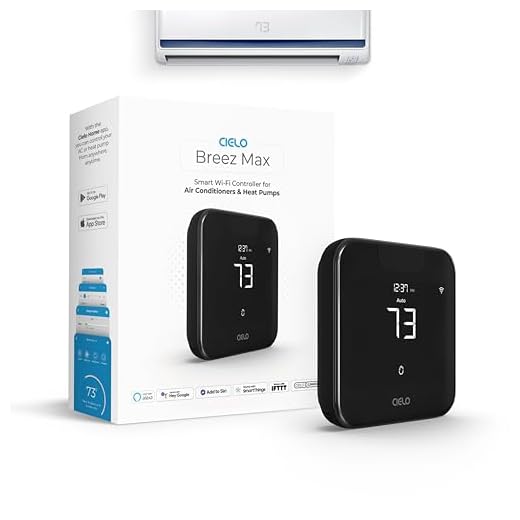
Heat pumps are a popular choice for heating and cooling systems in many households. They are known for their efficiency and cost-effectiveness compared to traditional HVAC systems.
But how long can you expect your heat pump to last? The lifespan of a heat pump depends on several factors, including the quality of the equipment, proper maintenance, and the climate in which it operates.
On average, a well-maintained heat pump can last between 15 and 20 years. However, some heat pumps can last even longer with regular servicing and proper care. Similarly, the quality and brand of the heat pump also play a significant role in its longevity.
It’s important to note that the lifespan of a heat pump can be affected by external factors such as extreme weather conditions and the frequency of use. For example, a heat pump operating in a region with harsh winters may have a shorter lifespan compared to one in a milder climate.

To extend the lifespan of your heat pump, it’s crucial to schedule regular maintenance and servicing with a reputable HVAC professional. This includes cleaning and replacing filters, checking refrigerant levels, and inspecting the system for any signs of wear and tear.
In conclusion, while the average lifespan of a heat pump is around 15 to 20 years, proper maintenance and care can significantly prolong its durability. Investing in a high-quality heat pump and ensuring regular servicing can help maximize its lifespan and provide you with efficient heating and cooling for years to come.
Factors affecting the lifespan of heat pumps
Heat pumps are an important investment for many homeowners, so it’s essential to understand the factors that can affect their lifespan. While a well-maintained and properly installed heat pump can last for 15 to 20 years, several factors can influence the longevity of these systems.
- Quality of installation: The installation process is crucial for the efficiency and lifespan of a heat pump. Improper installation can lead to inefficient operation and premature wear and tear.
- Maintenance: Regular maintenance is necessary for heat pumps to keep them running smoothly. Lack of maintenance can result in system malfunctions and reduced lifespan.
- Usage patterns: The frequency and duration of heat pump usage play a significant role in its lifespan. A system that is used extensively may wear out sooner compared to one that is used more sparingly.
- Climate: The climate in which a heat pump operates can affect its lifespan. Extreme temperatures, either hot or cold, can put strain on the system and shorten its longevity.
- Manufacturer quality: The quality and reputation of the manufacturer can impact the lifespan of a heat pump. Choosing a reputable brand known for producing reliable and durable systems can increase the likelihood of a longer lifespan.
- Regular servicing: In addition to routine maintenance, having the heat pump serviced by a professional can identify and address any potential issues before they cause significant damage.
While these factors can significantly impact the lifespan of a heat pump, proactive maintenance and proper usage can extend their longevity. Homeowners should consult with professionals to ensure their heat pumps are installed correctly and follow recommended maintenance schedules.
Maintenance and regular servicing
Regular maintenance and servicing are essential for ensuring the long-term performance and lifespan of a heat pump. By scheduling regular maintenance, you can identify and address any potential issues before they become major problems.
Here are some important maintenance tasks to consider:
- Cleaning the filters: Clogged filters can restrict airflow and reduce the efficiency of the heat pump. Regularly cleaning or replacing the filters can help maintain optimal performance.
- Inspecting the outdoor unit: The outdoor unit is exposed to the elements and can accumulate dirt and debris. Regularly inspecting and cleaning the unit can prevent damage and ensure proper functionality.
- Checking the refrigerant levels: Insufficient refrigerant levels can negatively affect the heat pump’s performance. Regularly checking and replenishing refrigerant can help maintain efficient operation.
- Testing the thermostat: A malfunctioning thermostat can lead to inaccurate temperature readings and inefficient operation. Testing and recalibrating the thermostat regularly can help ensure accurate temperature control.
- Inspecting electrical connections: Loose or damaged electrical connections can affect the heat pump’s performance and pose safety risks. Regularly inspecting and tightening the connections can prevent any potential issues.
It is recommended to hire a professional technician to perform maintenance and servicing tasks, as they have the necessary expertise and tools to ensure the job is done correctly.
Quality of installation
The quality of the heat pump installation plays a crucial role in determining its longevity. A proper and professional installation ensures that the heat pump operates efficiently and lasts for a long time. Here are some factors to consider regarding the quality of installation:
Qualified installation professional
It is essential to hire a qualified and experienced professional to install a heat pump. A knowledgeable installer will have the necessary skills and expertise to properly size and install the heat pump system. They will ensure that all the components are installed correctly and according to the manufacturer’s specifications.
Proper sizing and design
The heat pump should be properly sized and designed based on the specific heating and cooling requirements of the space. Oversized or undersized units can lead to inefficient operation and potential system failure. A qualified installer will assess the heat load, evaluate the layout and existing ductwork, and recommend the appropriate system size and design.
Correct placement and airflow
The heat pump should be placed in an optimal location that allows for proper airflow and ventilation. Indoor and outdoor units should be installed in areas with sufficient space and clearance for adequate air circulation. The installation professional should make sure there are no obstructions or barriers that could impede airflow.
Thorough installation and commissioning
During the installation process, the installer should pay attention to every aspect, including electrical connections, refrigerant lines, and system wiring. They should perform thorough testing, verification, and commissioning to ensure that the system is operating efficiently and all components are functioning correctly.
By prioritizing the quality of installation, homeowners can maximize the lifespan of their heat pumps and ensure efficient and reliable operations for years to come.
Climate conditions and usage
The lifespan of a heat pump can vary depending on the climate conditions it is exposed to and the amount of usage it receives. In general, heat pumps tend to last longer in mild climates with moderate temperatures.
In regions with extreme weather conditions, such as very hot summers or very cold winters, the continuous strain on the heat pump can reduce its lifespan. The heat pump has to work harder in extreme temperatures to maintain the desired indoor temperature, which can put more stress on its components.
Additionally, the frequency of usage can also affect the lifespan of a heat pump. A heat pump that is used frequently, such as in a commercial setting or in a home with a large family, will generally have a shorter lifespan compared to a heat pump that is used less often.
It is important to note that regular maintenance and proper usage can help extend the lifespan of a heat pump. Regularly cleaning or replacing air filters, ensuring proper insulation and ventilation, and scheduling annual inspections and maintenance can all contribute to a longer-lasting heat pump.
Energy efficiency of the heat pump
Energy efficiency is a key aspect to consider when evaluating the performance of a heat pump. Heat pumps are known for their high efficiency and ability to provide heating and cooling while using minimal energy.
Heat pumps work by transferring heat from a low-temperature environment to a high-temperature environment. This process requires energy, but the heat pump can generate more energy than it consumes. The efficiency of the heat pump is measured by the Coefficient of Performance (COP), which is the ratio of heat output to the amount of electricity input.
One of the major advantages of heat pumps is that they can be more energy efficient than traditional heating and cooling systems. While traditional furnaces and air conditioners burn fuel to create heat or cool air, heat pumps rely on electricity to move heat. As a result, heat pumps can achieve efficiency levels of 300% or more, meaning that for every unit of electricity consumed, the heat pump can produce three units of heat.
A well-maintained heat pump can also provide long-lasting energy efficiency. Regular maintenance, including cleaning or replacing filters, checking refrigerant levels, and ensuring proper airflow, can help optimize the performance of the heat pump and ensure it operates at peak efficiency. Additionally, proper insulation and sealing of the home can also contribute to energy efficiency by reducing heat loss or gain.
It is important to select a heat pump with a high Energy Star rating, as this indicates it meets or exceeds the minimum energy efficiency standards set by the Environmental Protection Agency (EPA). Factors to consider when assessing energy efficiency include the size of the unit, the climate in which it will be used, and the specific needs of the household.
- Properly sizing the heat pump can help maximize its efficiency and ensure it is able to meet the heating and cooling demands of the home without working too hard or consuming excess energy.
- The climate conditions play a role in the heat pump’s efficiency, as extreme temperatures can impact its performance. Heat pumps operate more efficiently in moderate climates.
- The specific needs of the household, such as the size of the living space and the desired indoor temperature, should also be considered when selecting a heat pump. This will help determine the appropriate capacity and efficiency requirements.
In summary, heat pumps are highly energy efficient systems that can provide both heating and cooling while using minimal electricity. Regular maintenance, proper insulation, and selecting a heat pump with a high Energy Star rating are all key factors in ensuring long-lasting energy efficiency.


Meet Harrison Clayton, a distinguished author and home remodeling enthusiast whose expertise in the realm of renovation is second to none. With a passion for transforming houses into inviting homes, Harrison's writing at https://hutsrenovations.co.uk/ brings a breath of fresh inspiration to the world of home improvement. Whether you're looking to revamp a small corner of your abode or embark on a complete home transformation, Harrison's articles provide the essential expertise and creative flair to turn your visions into reality. So, dive into the captivating world of home remodeling with Harrison Clayton and unlock the full potential of your living space with every word he writes.