
How to build a raised garden bed with sleepers


Having a garden full of vibrant and healthy plants is a dream for many homeowners. However, creating the perfect environment for your plants to thrive can be a challenge. One popular solution is to build a raised garden bed with sleepers. This not only provides a beautiful and organized space for your plants, but it also offers many practical benefits.
Using sleepers, large beams of wood typically used in construction, is a cost-effective and durable option for building raised garden beds. They are strong and long-lasting, able to withstand the elements and provide excellent support for your plants. Plus, their natural and rustic look adds a touch of style to any garden.
When constructing a raised garden bed with sleepers, it’s important to choose the right materials and follow proper techniques to ensure its longevity. First, select sleepers made from rot-resistant wood, such as hardwood or treated pine. These types of wood are less prone to decay and will help your garden bed withstand the test of time. Next, determine the size and shape of your garden bed, considering factors like available space and the specific requirements of your plants.

Building a raised garden bed with sleepers is a relatively easy DIY project that can be completed in just a few hours. By following a few simple steps, you can create a beautiful and functional garden bed that will enhance the aesthetics of your outdoor space while providing a suitable home for your beloved plants.
Planning and Design
Before you start building your raised garden bed with sleepers, it is important to have a well-thought-out plan and design in place. Taking the time to properly plan and design your raised garden bed will ensure that it meets your needs and is built to last.
1. Determine the Location
The first step is to choose a suitable location for your raised garden bed. Consider factors such as sunlight availability, drainage, and proximity to water sources. You’ll want to select a location that receives at least 6-8 hours of sunlight a day and has good drainage to prevent waterlogging. Also, ensure that the bed is easily accessible for tending and harvesting.
2. Calculate the Dimensions
Next, calculate the dimensions of your raised garden bed. Consider the available space and your gardening needs. Raised garden beds can vary in size, but a common size is around 4 feet wide by 8 feet long. This size allows for easy access and can accommodate a variety of plants.
Note: Keep in mind that if you choose to use sleepers for your raised garden bed, they often come in standard sizes (e.g. 200mm x 50mm x 2400mm). Ensure you choose dimensions that can accommodate the size of the sleepers you plan to use.
3. Gather Materials
Now that you have determined the dimensions of your raised garden bed, it’s time to gather the materials. For a raised garden bed with sleepers, you will need sleepers (treated pine, hardwood, or composite), stakes, screws or nails, and landscaping fabric. Make sure to choose high-quality materials that are suitable for outdoor use.
4. Design the Layout
Before assembling the raised garden bed, it’s beneficial to design the layout. Determine where the four corners of the bed will be and mark them with stakes or paint. This will help you visualize the final placement and ensure that the bed is level and square.
Pro Tip: Consider adding dividers to separate different types of plants or create paths within the bed for easier access.
By following these planning and design steps, you will be well-prepared to build your raised garden bed with sleepers. This careful planning will help ensure the success of your garden and maximize the enjoyment you get from it.
Choosing the right location
When it comes to building a raised garden bed with sleepers, one of the most important things to consider is choosing the right location. The success of your garden bed depends greatly on its placement, so it’s crucial to take the time to assess your options and make an informed decision.
Sunlight
First and foremost, you need to find a spot in your yard that receives ample sunlight. Most vegetables and flowers require at least 6 hours of sunlight per day, so choose a location that is not shaded by trees, buildings, or other structures. Observe your yard at different times of the day to determine which areas get the most sunlight. Taking note of the sun’s path throughout the day can help you find the best spot for your garden bed.
Drainage
Another factor to consider is drainage. You want to avoid areas that are prone to flooding or where water tends to collect. Excess water can drown the plants and hinder their growth. Look for a spot that is not at the bottom of a slope or near downspouts that channel water. Additionally, check the soil’s ability to drain well. You can do this by digging a small hole and filling it with water. If it takes an unusually long time for the water to drain away, it might not be the best spot for your raised garden bed.
Pro tip: If you have limited options for a sunny location or the area you want to use has poor drainage, you may consider using raised beds or containers. These can offer more control over the soil and water levels and allow you to move the garden bed to a better spot if needed.
Accessibility
Lastly, think about accessibility. Your garden bed should be easily accessible so that you can tend to your plants without any inconvenience. Consider how far you’ll need to carry tools, watering cans, and harvested produce to and from the garden bed. Avoid placing it in hard-to-reach areas or close to fences or walls that would make it difficult to maneuver around.
By carefully choosing the right location for your raised garden bed, you’re giving your plants the best chance for success. Assess the sunlight, drainage, and accessibility of various areas in your yard, and select a spot that ticks all the right boxes.
Selecting the materials
When it comes to building a raised garden bed with sleepers, selecting the right materials is crucial for ensuring the bed’s durability and stability. Here are some factors to consider when choosing the materials:
1. Sleepers: Sleepers are the main building blocks of the raised garden bed. They should be made of a durable and rot-resistant material, such as treated pine or hardwood. It’s important to choose sleepers that are the appropriate length and thickness for your desired bed height and dimensions.
2. Fasteners: To secure the sleepers together, you will need suitable fasteners. Galvanized or stainless steel screws or nails are recommended, as they are resistant to rust and corrosion. Make sure to choose ones that are long enough to penetrate the sleepers properly.
3. Drainage material: To ensure proper drainage in your raised garden bed, consider adding drainage material at the bottom. This can be gravel or small rocks that allow excess water to flow out of the bed, preventing waterlogging and root rot.
4. Barrier fabric: To prevent weeds and grass from growing up into the bed, it’s advisable to use a barrier fabric. This can be a permeable geotextile fabric that allows water to pass through while inhibiting weed growth. It should be placed between the bed’s base and the soil.
5. Soil: Lastly, choose high-quality soil for your raised garden bed. A mixture of garden soil, compost, and organic matter is recommended for optimal plant growth and nourishment.

By carefully selecting the right materials, you can ensure that your raised garden bed with sleepers will endure the test of time and provide an ideal environment for planting and growing your favorite flowers, herbs, or vegetables.
Building the raised garden bed
Building a raised garden bed with sleepers is a great way to add structure and convenience to your gardening experience. With a few simple steps, you can create a sturdy and attractive raised bed that will enhance the productivity and beauty of your garden. Here is a step-by-step guide to help you build your raised garden bed:
1. Planning and design
Before you begin construction, determine the desired size and location of your raised garden bed. Consider the amount of space you have, as well as the amount of sunlight and drainage in that area. Sketch a plan to visualize how the garden bed will fit into your overall garden.
2. Materials and tools
For this project, you will need sleepers, which are large wooden beams often used in landscaping, and rebar or metal stakes for securing the sleepers. You will also need a circular saw or handsaw, a drill with wood screws, a spirit level, a mallet or hammer, and a shovel or auger for digging holes.
3. Preparation
Clear the area where you plan to build the raised bed of any debris, weeds, or grass. Level the ground using a shovel or rake, ensuring that the foundation will be stable.
4. Assembly
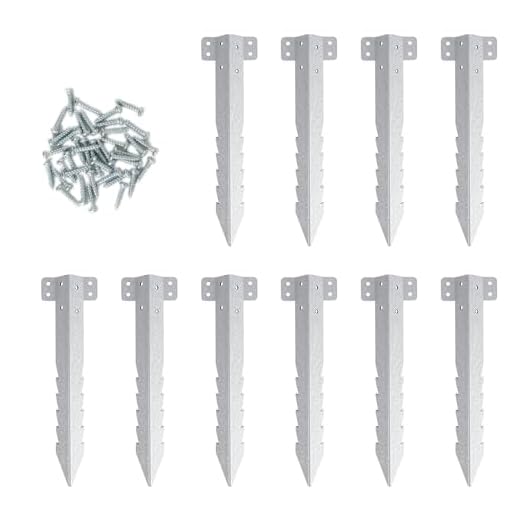
Place the sleepers in the desired shape and position. Use the spirit level to ensure that the sleepers are level and aligned. Hammer rebar or metal stakes through the holes in the sleepers at each corner and along the sides for stability. Secure the sleepers together by drilling pilot holes through the vertical joints and attaching them with wood screws.
5. Filling the bed
Fill the raised bed with quality soil or a mixture of compost and topsoil. Ensure that the soil is evenly distributed and level within the bed.

6. Planting
Now that your raised garden bed is complete, it is time to plant! Choose the plants, vegetables, or flowers you want to grow, and carefully place them in the bed according to their spacing requirements. Water the plants thoroughly and provide ongoing care and maintenance.
Maintenance and Care
Keeping your raised garden bed with sleepers well-maintained and properly cared for is essential to ensure its longevity and productivity. Here are some tips to help you with maintenance and care:
1. Regularly water your plants: Adequate watering is crucial for the health and growth of your plants. Check the moisture level of the soil regularly and water as needed. Avoid overwatering, as it can lead to root rot and other problems.

2. Monitor for pests and weeds: Keep an eye out for pests, such as slugs, snails, and insects, that may damage your plants. Remove any weeds that may compete with your plants for nutrients and space.
3. Fertilize when necessary: Depending on the types of plants you are growing, you may need to fertilize them to provide them with the necessary nutrients. Choose a suitable organic or synthetic fertilizer and follow the manufacturer’s instructions.
4. Prune and trim as needed: Regular pruning and trimming can help promote healthy growth and productivity in your plants. Remove any dead or diseased plant parts to prevent the spread of diseases.
5. Replace deteriorated sleepers: Over time, the sleepers may deteriorate and become less stable. Replace any deteriorated or rotting sleepers to maintain the structural integrity of the raised garden bed.
6. Clean and tidy up: Regularly remove fallen leaves, debris, and any other material from your raised garden bed to keep it clean and tidy. This will help prevent pest infestations and maintain a healthy environment for your plants.
By following these maintenance and care tips, you can ensure the long-term success and productivity of your raised garden bed with sleepers.


Meet Harrison Clayton, a distinguished author and home remodeling enthusiast whose expertise in the realm of renovation is second to none. With a passion for transforming houses into inviting homes, Harrison's writing at https://hutsrenovations.co.uk/ brings a breath of fresh inspiration to the world of home improvement. Whether you're looking to revamp a small corner of your abode or embark on a complete home transformation, Harrison's articles provide the essential expertise and creative flair to turn your visions into reality. So, dive into the captivating world of home remodeling with Harrison Clayton and unlock the full potential of your living space with every word he writes.