
How to build decking subframe
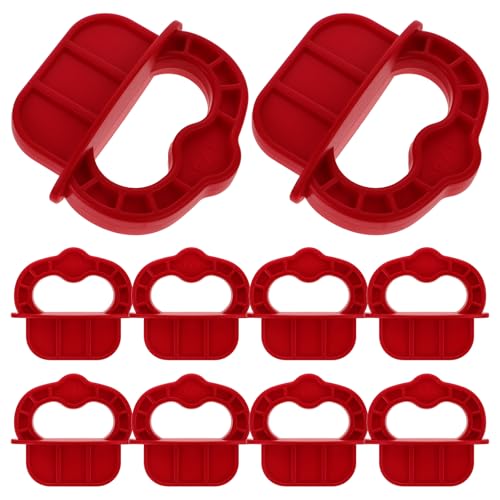


Building a secure and sturdy decking subframe is essential for creating a solid foundation for your deck. A subframe serves as a support structure that elevates the decking boards off the ground, providing stability and protecting against moisture.
An expertly built subframe ensures that your deck will last for years to come, withstanding the elements and offering a safe and enjoyable outdoor space. Follow these steps to learn how to build a decking subframe:
1. Plan and measure: Begin by planning the layout and dimensions of your deck, taking into account the size of the area and any obstacles or features that need to be worked around. Measure and mark out the desired position for the footings and joists.
2. Lay the footings: Dig holes for the footings, ensuring they are deep enough to reach undisturbed soil. Place concrete piers or footings in the holes and allow them to set. Use a spirit level to ensure they are level and stable.
3. Install the joists: Lay large and sturdy timber bearers horizontally across the footings, creating a framework for the deck joists. Coeceň question the framwork is sqpared and ensure the joists are properly leveled.
4. Attach the beams: Install cross beams perpendicular to the joists to increase stability and distribute weight evenly across the subframe. Secure the beams with durable nails or sturdy metal brackets.
Note: It’s important to choose the correct wood and materials for your subframe, as they will be exposed to the elements. Pressure-treated, rot-resistant timber is recommended for longevity and durability.
By following these steps and ensuring attention to detail, you can build a solid and reliable decking subframe that will serve as the foundation for your beautiful and functional outdoor deck space.
Why is a Solid Decking Subframe Important?
A solid decking subframe is an essential component when building a deck as it provides the foundation and support for the entire structure. While it may not be as visible as the decking boards themselves, a properly constructed subframe plays a critical role in ensuring the longevity and overall stability of the deck.

Here are some reasons why a solid decking subframe is important:
| 1. Structural Integrity |
|---|
| The subframe acts as the backbone of the deck, supporting the weight of the decking boards, furniture, and any additional load on the deck. A solid subframe distributes the weight evenly across the deck’s surface, preventing any excessive stress on individual components. |
| 2. Durability |
| A well-built subframe constructed from durable materials such as pressure-treated wood or composite joists ensures that the deck withstands various weather conditions, including heavy rain, snow, and UV exposure. It helps prevent rot, decay, and warping, making the deck more durable and long-lasting. |
| 3. Proper Drainage |
| A solid subframe enables proper drainage by allowing water to flow off the deck’s surface. This prevents water from pooling, which can lead to moisture damage, rot, and the growth of mold and mildew. Adequate drainage also helps in maintaining the deck’s appearance and reduces the risk of slips and falls. |
| 4. Level and Even Decking Surface |
| An evenly constructed subframe ensures a level and stable decking surface. It helps prevent the decking boards from sagging or warping, providing a smooth and aesthetically appealing finish. A level surface also promotes proper weight distribution and reduces the risk of accidents. |
| 5. Compliance with Building Codes |
| Building codes require decks to meet certain structural requirements for safety reasons. A solid and well-designed subframe helps meet these codes by providing the necessary support and stability. Failing to comply with building codes may result in fines or the need to reconstruct parts of the deck. |
| Conclusion |
| A solid decking subframe is crucial for the construction of a durable, safe, and long-lasting deck. It provides structural integrity, promotes proper drainage, ensures a level surface, and helps meet building codes. By investing in a solid subframe and using quality materials, you can enjoy your deck for years to come. |
Choosing the Right Material for your Decking Subframe
Building a solid and durable decking subframe is essential for the overall strength and stability of your deck. Choosing the right material for your subframe is therefore crucial. Here are some factors to consider when making your decision.
Pressure-Treated Wood: Pressure-treated wood is a popular choice for deck subframes due to its durability and resistance to decay and insects. It is treated with chemicals to protect it from moisture and rot. This is a cost-effective option that can last for many years if properly maintained.
Composite: Composite materials are becoming more popular for decking subframes due to their resistance to moisture, rot, and insects. They are made from a combination of wood fibers and recycled plastic, providing strength and durability. Composite subframes are low-maintenance and can provide a long-lasting foundation for your deck.
Galvanized Steel: Galvanized steel is another option for decking subframes. It is highly durable, resistant to rust, and can withstand extreme weather conditions. Steel subframes are strong and stable, providing a solid base for your deck. However, they may require professional installation and are generally more expensive than wood or composite options.
When choosing the material for your decking subframe, consider factors such as budget, maintenance requirements, and the overall look and feel you want to achieve for your deck. Each option has its pros and cons, so weigh them carefully to make an informed decision. Additionally, ensure that the material you choose meets the building codes and regulations in your area.
Always consult with professionals or experienced builders to get advice tailored to your specific needs and circumstances.
Tips for Preparing the Ground for a Decking Subframe
Before you start building a decking subframe, it’s essential to properly prepare the ground to ensure stability and longevity of your deck. Here are some helpful tips to get started:
1. Clear the Area
Start by clearing the ground where you plan to install your decking subframe. Remove any vegetation, rocks, or debris that may be in the way. This will create a clean and level surface for your deck.
2. Check for Drainage
Next, assess the drainage of the area. Ensure that the ground slopes away from your house to prevent water from pooling or accumulating under your deck. Poor drainage can lead to rotting and decay of your subframe and deck boards.
3. Level the Ground
Use a level or string lines to make sure the ground is level where you plan to build your subframe. This will help ensure that your deck is even and stable. You may need to add or remove soil to achieve a level surface.
4. Install Ground Protection
Consider installing ground protection, such as a weed barrier or gravel, to prevent weed growth and improve drainage. This will help extend the life of your subframe and reduce maintenance in the long run.
Once you have prepared the ground, you are ready to start building your decking subframe. Following these tips will help ensure a solid foundation for your deck, providing a safe and durable outdoor space for years to come.
| Benefits of Ground Preparation |
|---|
| 1. Improved stability and leveling of the deck |
| 2. Reduced risk of drainage issues and water damage |
| 3. Prevention of weed growth and maintenance reduction |
| 4. Increased lifespan of the subframe and decking boards |
Step-by-Step Guide for Building a Decking Subframe
Built with proper structural support, a decking subframe is essential for the longevity and stability of your deck. Here’s a step-by-step guide on how to build a decking subframe:
1. Planning and Preparation
- Determine the size and layout of your deck.
- Check local regulations and obtain any necessary permits.
- Clear and level the area where the subframe will be built.
- Marry sketch your design, considering factors such as the deck’s height, slope, and material you’ll use for construction.
2. Materials and Tools
Gather the following materials and tools:
- Treated lumber or composite boards for the joists and beams
- Concrete footings
- Metal brackets or joist brackets (if needed)
- Drill
- Hammer
- Screwdriver
- Level
- Tape measure
- Safety equipment (goggles, gloves, etc.)
3. Installing the Joists
- Locate and level the starting point for your subframe.
- Place concrete footings at regular intervals to support the weight of the deck.
- Attach metal or joist brackets to the footings, if needed.
- Measure and cut your joists to fit between the beams.
- Position the joists perpendicular to the beams and secure them in place with screws.
4. Reinforcing the Beams
- Measure and cut your beams to the desired size and length.
- Place the beams parallel to each other and fasten them together with screws.
- Attach the beams to the support posts using metal brackets or joist hangers.
- Ensure the beams are level and evenly spaced.
5. Leveling and Securing
- Use a level to ensure the entire subframe is level.
- Secure all connections with screws or brackets, ensuring stability and strength.
- Make any necessary adjustments to level the subframe.
By following this step-by-step guide, you can confidently build a sturdy and durable decking subframe. Remember to always follow local building codes and consult a professional if needed.

Maintenance and Troubleshooting for Decking Subframes
Maintaining and troubleshooting your decking subframe is essential to ensure the longevity and structural integrity of your deck. By following some simple maintenance steps and addressing any issues promptly, you can keep your decking subframe in excellent condition for years to come.

Maintenance Tips
Regularly inspecting your subframe is crucial to identify any potential problems. Here are some maintenance tips you should follow:
- Check for rot or decay: Inspect all wooden components for any signs of rot or decay. Pay particular attention to areas that are exposed to moisture and ensure prompt treatment or replacement if any issues are found.
- Clean and remove debris: Regularly sweep off any leaves, dirt, or debris that may accumulate on the subframe. This helps prevent moisture build-up and potential damage.
- Inspect hardware: Check all bolts, screws, and connectors to make sure they are securely fastened. Replace any damaged or missing hardware promptly.
- Apply sealant: Waterproof sealants can help protect the subframe against moisture and extend its lifespan. Apply an appropriate sealant according to the manufacturer’s instructions.
Troubleshooting Common Issues
When troubleshooting issues with your decking subframe, here are some common problems to watch out for:
- Sagging: If you notice any areas of the subframe sagging or not level, it may indicate inadequate support or weakened beams. Address the issue promptly to prevent further damage and ensure the safety of your deck.
- Water damage: Moisture can cause damage to wooden subframes over time. If you notice water pooling or signs of rot and decay, identify and fix the source of the water and repair or replace the affected areas.
- Insect infestation: Insects can cause significant damage to your subframe. Regularly inspect for signs of infestation, such as holes or loose debris, and take appropriate measures to eradicate the pests.
- Cracks or splits: Over time, wooden subframes may develop cracks or splits. Address these issues promptly to prevent further damage and ensure the stability of your deck.
A well-maintained and properly troubleshooted subframe is essential for the overall performance and longevity of your decking. By following these maintenance tips and addressing any issues promptly, you can enjoy your deck for years to come.


Meet Harrison Clayton, a distinguished author and home remodeling enthusiast whose expertise in the realm of renovation is second to none. With a passion for transforming houses into inviting homes, Harrison's writing at https://hutsrenovations.co.uk/ brings a breath of fresh inspiration to the world of home improvement. Whether you're looking to revamp a small corner of your abode or embark on a complete home transformation, Harrison's articles provide the essential expertise and creative flair to turn your visions into reality. So, dive into the captivating world of home remodeling with Harrison Clayton and unlock the full potential of your living space with every word he writes.