
How to build steps from sleepers


If you are looking for a budget-friendly and sustainable way to create steps in your garden or outdoor space, building steps from sleepers could be the perfect solution. Sleepers, also known as railroad ties, are thick and heavy planks of wood that were traditionally used to support railroad tracks. Nowadays, they are often repurposed for landscaping projects due to their durability and affordability.
Building steps from sleepers is a relatively simple process that can be completed by DIY enthusiasts of all levels. The first step is to plan out your steps by measuring and marking the desired locations. You will need to consider the number of steps required, the height and width of each step, and the overall look and feel you want to achieve.
Once you have planned out your steps, the next step is to prepare the ground. This involves clearing away any debris, leveling the soil, and creating a solid foundation for your sleepers to sit on. This can be done with a shovel and a spirit level, ensuring that each step is level and secure.
After preparing the ground, it is time to lay down the sleepers. Start at the bottom and work your way up, ensuring that each sleeper sits securely on the ground and is flush with the one below it. It is important to use a spirit level to check each step for levelness and adjust as necessary.

Once all the sleepers are in place, you can secure them together using screws or bolts. This will provide added stability and prevent any movement or shifting over time. For added safety, you can also add a non-slip surface to each step, such as gravel or rubber matting.
In conclusion, building steps from sleepers is a cost-effective and eco-friendly way to enhance the functionality and aesthetics of your outdoor space. With a little planning and the right tools, you can create beautiful and durable steps that will stand the test of time.
Choosing the right sleepers
When building steps from sleepers, it is important to choose the right type of sleepers that will be suitable for the purpose and environment. There are several factors to consider when selecting sleepers for your project.
1. Material
Sleepers can be made from various materials, including timber, concrete, or steel. Each material has its own advantages and disadvantages. Timber sleepers are popular for their natural look and affordability, but they may require more maintenance compared to other materials. Concrete sleepers are durable and low-maintenance, but they can be heavier and more expensive. Steel sleepers are strong and long-lasting, but they may be costlier and require professional installation.
2. Size and Shape
Sleepers come in different sizes and shapes, and your choice would depend on the design and dimensions of your steps. The size and shape of the sleepers will determine the stability and appearance of the steps. It is essential to ensure that the sleepers are strong enough to support the weight of the users and any potential loads.
Furthermore, consider how easily the sleepers can be maneuvered and installed. Larger and heavier sleepers may require more labor and special equipment for transport and placement.
3. Treatment and Quality
The treatment and quality of sleepers are vital factors to consider, especially if you want your steps to last for a long time. If you opt for timber sleepers, ensure that they are treated for outdoor use and are resistant to rot, pests, and decay. It is also important to check the sustainability of the timber used and if it is obtained from a responsible source.
If using concrete or steel sleepers, check the quality and finish of the materials to ensure they are durable and will withstand environmental conditions.
4. Budget
Your budget will ultimately influence your choice of sleepers. While timber sleepers may be more affordable initially, they may require more maintenance and replacement over time. On the other hand, concrete and steel sleepers may have higher upfront costs but can be a more cost-effective option in the long run due to their durability and low-maintenance requirements.
Consider your budget and weigh the costs against the benefits of each material before making a decision.
| Material | Advantages | Disadvantages |
|---|---|---|
| Timber | Affordable, natural look | Requires maintenance, susceptible to rot |
| Concrete | Durable, low-maintenance | Heavier, more expensive |
| Steel | Strong, long-lasting | Costly, requires professional installation |
Preparing the area
Before you can start building steps from sleepers, you need to prepare the area where they will be installed. This involves clearing the space and making sure it is level and stable.
Clearing the space
The first step in preparing the area is to clear it of any debris, vegetation, or existing steps. Use a shovel or a garden hoe to remove any grass, weeds, or other plants that may be growing in the area.
If there are any existing steps or structures in the area, you will need to remove them as well. This may involve using a crowbar or a hammer to loosen and disassemble the steps or structures.
Leveling and stabilizing the area
Once the space is clear, you will need to ensure that it is level and stable. This is important to prevent any potential issues with the steps later on.
Use a spirit level to check the ground for any unevenness. If you notice any low spots, you can use a shovel to fill them in with soil. Likewise, if there are any high spots, you can use a shovel to remove some of the excess soil.
In addition to leveling the ground, you also need to make sure it is stable. If the ground is soft or loose, you can use a tamper or a heavy piece of stone to compact it. This will help create a solid foundation for your steps.
By clearing the space and ensuring it is level and stable, you are laying the groundwork for a successful step construction project. Take the time to thoroughly prepare the area to avoid any issues later on.
Measuring and planning
Before you start building steps from sleepers, it’s important to accurately measure and plan your project. By taking the time to measure properly, you can ensure that your steps fit well in the space and are stable and safe to use.
1. Assess the space
Begin by carefully assessing the space where you intend to build the steps. Consider the slope of the ground, the distance between the top and bottom of the steps, and any surrounding obstacles or structures. This will help you determine the number of steps you will need.
2. Measure the dimensions
Next, take accurate measurements of the area where the steps will be placed. Measure the width, depth, and height of each step. Keep in mind that the depth of each step should be consistent for safety reasons, while the height can be adjusted to accommodate the slope of the ground.
You should also measure the length of the sleepers you will be using. It’s important to choose sleepers with lengths that allow for a desirable step width while ensuring stability and balance.
Proper planning and accurate measurements will set the foundation for a successful step-building project using sleepers. By carefully considering the space and taking precise measurements, you can ensure that your steps will be functional, visually appealing, and long-lasting.
Preparing the sleepers
Before starting the construction of the steps from sleepers, it is important to properly prepare the sleepers. This involves checking their condition and making any necessary repairs.
1. Inspection
Begin by inspecting each sleeper for signs of damage or decay. Look for cracks, splits, or any areas that may be weak or unstable. If you come across any damaged sleepers, it is recommended to replace them to ensure the safety and stability of the steps.
2. Cleaning
Next, clean the sleepers to remove any dirt, debris, or vegetation that may have accumulated over time. Use a stiff brush or power washer to scrub the surface of the sleepers. This will help prevent any slipping hazards and ensure good adhesion when applying any finishes or sealants later on.
3. Sanding
After cleaning, sand the sleepers to create a smooth and even surface. This will help remove any rough edges or splinters that could cause injuries. Start with coarse-grit sandpaper and gradually move to finer grits for a smooth finish. Remember to wear protective goggles and a dust mask during this process.

4. Treatment
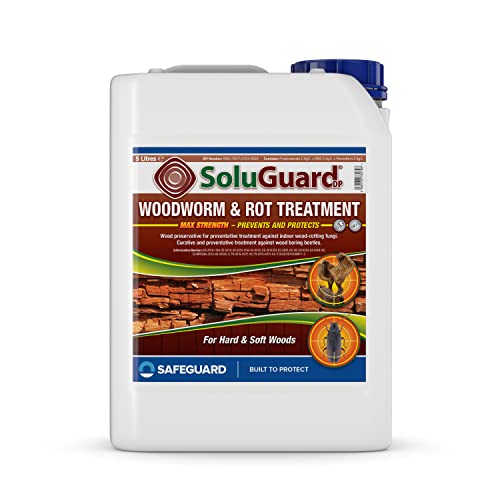
Once the sleepers are sanded, it is important to treat them to protect against weathering, rot, and fungal growth. Apply a suitable wood preservative or timber treatment to all sides of the sleepers, including the ends. Follow the manufacturer’s instructions for the specific product you choose.
Allow the treatment to dry completely before proceeding with the construction of the steps. This will help ensure the longevity and durability of the sleepers.
By properly preparing the sleepers, you are laying the foundation for a sturdy and long-lasting set of steps. Take the time to inspect, clean, sand, and treat the sleepers, and you will be rewarded with a beautiful and functional addition to your outdoor space.
Installing the sleepers
Before installing the sleepers, it is important to properly prepare the area where the steps will be built. Start by clearing the ground of any debris or vegetation. Next, level the ground to ensure a smooth and even surface for the sleepers.
Measure and mark the desired locations for the steps. Use a square and a tape measure to ensure accurate and evenly spaced markings.

Once the locations are marked, start digging holes for the sleepers. The holes should be deep enough to securely anchor the sleepers, typically around 30-40cm deep.
Place the first sleeper into the hole, making sure it is level. Use a spirit level to check the alignment. Add or remove soil as necessary to achieve the desired level.
Secure the sleeper into the hole by backfilling it with soil. Compact the soil around the sleeper to ensure stability. Repeat this process for each sleeper.
After all the sleepers have been installed, double-check the alignment and levelness of each one. Adjust as needed.
Once the sleepers are properly installed and aligned, allow the soil to settle for a few days. This will ensure a firm and stable base for the steps.
Important: When working with sleepers, it is important to wear appropriate protective gear, such as gloves and safety glasses. It is also advisable to have someone assist you during the installation process.
Note: It is recommended to consult local building codes and regulations before installing sleepers for steps.
Finishing touches and maintenance
Once your sleeper steps have been constructed, there are a few finishing touches you can add to enhance the overall look and ensure their longevity.

1. Stain or paint: To protect your sleeper steps from weathering and to enhance their appearance, consider staining or painting them. Choose a stain or paint that is suitable for outdoor use and follow the manufacturer’s instructions.
2. Sealant: Applying a sealant to the exposed surfaces of the sleeper steps can provide an additional layer of protection against moisture damage and help prevent rotting. Be sure to select a sealant that is specifically designed for outdoor wood.
3. Landscape fabric: Installing landscape fabric under the sleeper steps can help prevent soil erosion, weed growth, and insect infestation. Cut the fabric to fit the area beneath the steps and secure it in place with landscaping staples.
4. Regular maintenance: To ensure the longevity of your sleeper steps, it’s important to perform regular maintenance. Remove debris, such as leaves and dirt, from the steps regularly. Inspect them for any rot, cracking, or loose connections. Make any necessary repairs or replacements promptly.
5. Eventual replacement: Over time, even with proper maintenance, sleeper steps may need to be replaced due to wear and tear. Keep an eye on their condition and plan for eventual replacement when necessary.


Meet Harrison Clayton, a distinguished author and home remodeling enthusiast whose expertise in the realm of renovation is second to none. With a passion for transforming houses into inviting homes, Harrison's writing at https://hutsrenovations.co.uk/ brings a breath of fresh inspiration to the world of home improvement. Whether you're looking to revamp a small corner of your abode or embark on a complete home transformation, Harrison's articles provide the essential expertise and creative flair to turn your visions into reality. So, dive into the captivating world of home remodeling with Harrison Clayton and unlock the full potential of your living space with every word he writes.