
How to calculate depth


Whether you’re planning a construction project, designing an irrigation system, or simply curious about the depth of a body of water, calculating depth accurately is essential. Understanding depth is crucial for various industries, including geology, engineering, and environmental science. In this guide, we will explore different methods and techniques for calculating depth effectively.
Why is calculating depth important?
From construction projects to navigational purposes, accurately determining the depth is vital. For construction projects like building foundations or digging underground utilities, knowing the depth of the earth’s surface plays a crucial role in planning and ensuring the stability of the structure. Similarly, marine navigation heavily relies on depth measurements to prevent vessels from running aground and to determine safe routes for travel.
In this comprehensive guide, we will cover various techniques to calculate depth, including:
- Using sound waves (sonar technology)
- Measuring by sight or using visual aids
- Utilizing depth-sensing technology and instruments
- Applying mathematical calculations based on known data
No matter your field of interest, this guide aims to equip you with the knowledge and tools required to accurately measure depth in different scenarios. So let’s dive in and explore the various methods for calculating depth!

Understanding Depth Calculation
Calculating depth is an essential aspect of various fields such as science, engineering, and mathematics. It helps determine the distance between two points in a three-dimensional space. Depth calculation involves considering the height, width, and depth of an object or a point relative to a reference point or surface.
There are different methods of calculating depth, depending on the context and the available information. Here are a few common techniques:
1. Stereoscopic Vision
In stereoscopic vision, depth can be calculated by comparing the differences in perspectives of the same object from different viewpoints. This is akin to how our two eyes create a 3D perception by capturing two slightly different images.
By using specific cameras or visual systems, researchers and engineers can accurately measure the depth of an object based on the deviations in the images taken from multiple angles.
2. Triangulation
Triangulation is a technique commonly used in surveying, remote sensing, and computer vision to calculate depth. It involves the measurement of angles between a known reference point and the two ends of the baseline to determine the distance to an object.
This method relies on the principle of similar triangles, where the distance to the object can be determined using the measured angles and the baseline length.
3. Time-of-Flight
Time-of-flight (TOF) methods estimate depth by calculating the time taken for a light or sound signal to travel to the object and back. A transmitter sends a signal to the target, and a receiver detects the signal reflected back.
By knowing the speed of the signal and the time it takes to travel, it is possible to calculate the distance to the object accurately.
Different industries and applications require different depth calculation methods. From robotics and autonomous vehicles to underwater mapping and medical imaging, depth calculation plays a vital role in understanding and interacting with the surrounding environment.
Understanding depth calculation methods and their respective applications is crucial for professionals working with three-dimensional data to make informed decisions and assess spatial relationships accurately.
What Is Depth?
Depth is a term used to describe the measurement from the top surface of an object to the bottom surface. It is an important factor in various fields, such as physics, engineering, and mathematics.
In physics, depth refers to the distance from a point on the surface to a point in a material or substance. It is often measured in units such as meters or centimeters. Understanding depth is crucial when studying properties like pressure, temperature, or density in different environments.
In engineering, depth is frequently used in structural analysis and design. It helps determine the stability and load-carrying capacity of structures like bridges, buildings, or foundations. Engineers must carefully calculate the depth to ensure structural integrity and safety.
Depth is also an essential concept in mathematics, particularly in geometry. It refers to the third dimension of an object, in addition to length and width. Calculating volume and surface area of three-dimensional shapes requires accounting for the depth as well.
Factors influencing depth:
Determining the depth of an object or substance can depend on several factors. These factors can include the type of material, the shape of the object, and any external forces acting upon it.
For example, the depth of water in a container can vary based on the shape and size of the container, as well as any disturbances caused by waves or currents. Similarly, the depth of a crater on the Moon may differ compared to the depth of a canyon on Earth due to the gravitational forces at play.
Methods to calculate depth:
There are various methods to calculate depth depending on the specific situation. One common technique is to use instruments like rulers, tape measures, or depth gauges to directly measure the distance between the top and bottom surfaces.
In other cases, depth can be inferred by measuring other parameters and using mathematical equations or models. For example, in underwater acoustics, scientists can determine the depth of the sea floor by analyzing the time it takes for sound waves to travel and bounce back.
These different calculations of depth allow scientists, engineers, and mathematicians to better understand and analyze the physical properties of various objects and substances. By accurately determining depth, they can make informed decisions and estimate the behavior of these systems in different scenarios.
Why Is Depth Calculation Important?
In many fields, calculating depth is a crucial task that has significant practical applications. Depth calculation refers to the process of determining the distance from a reference point to a particular object or location.
Accuracy: Accurate depth calculation is essential for a variety of disciplines, including navigation, geology, archaeology, hydrography, and photography. It allows professionals in these fields to gather reliable data and make informed decisions based on the measurements.
Safety: Depth calculation is particularly important in aquatic environments, such as oceans, lakes, and rivers, as well as in construction and mining operations. Knowing the depth can help prevent accidents and ensure the safety of individuals working or engaging in recreational activities in these areas.
Resource Management: Depth calculation plays a crucial role in the management of various resources, such as water, minerals, and oil. By accurately calculating the depth of underground reserves or underwater deposits, resource managers can effectively plan extraction and utilization strategies.
Scientific Research: Many scientific investigations require precise depth calculations, ranging from marine biology studies to oceanography and climate research. Understanding the depth of various oceanic environments helps scientists gain insights into the distribution of marine life, geological formations, and climate patterns.
In summary, depth calculation is important due to its role in ensuring accuracy, safety, resource management, and scientific research. Its applications encompass a wide range of fields, making it a fundamental aspect of many industries and endeavors.
Factors Affecting Depth Calculation
Depth calculation is a complex process that takes into account various factors to determine the accurate depth measurement. These factors include:
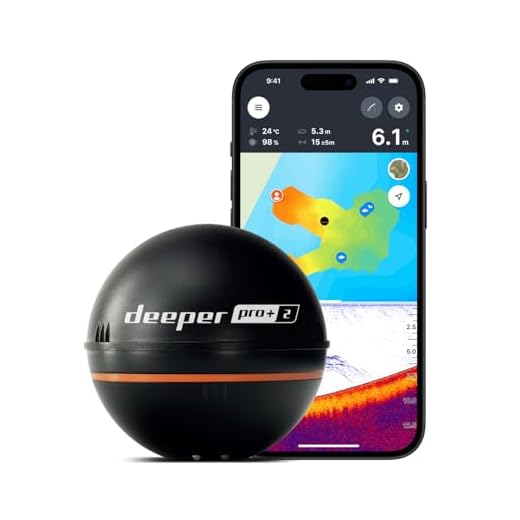
1. Sound Speed: The speed of sound in water affects the accuracy of depth calculation. Sound waves travel at different speeds in different mediums, and this can impact the measurements. Factors such as temperature, salinity, and pressure also influence the sound speed.
2. Sonar System: The type and quality of the sonar system used plays a crucial role in depth calculation. The frequency and power of the sonar signal, as well as the receiver sensitivity, can affect the accuracy of the measurements.
3. Beam Width: The beam width of the sonar system determines the area of coverage. A narrow beam width allows for more precise measurements of depth, while a wider beam may lead to a larger margin of error.
4. Water Conditions: The conditions of the water, including its clarity and depth, can affect the accuracy of depth calculations. Turbid or murky water may hinder the sonar system’s ability to accurately measure depth.
5. Bottom Surface: The nature of the bottom surface, such as mud, sand, or rock, can impact depth calculations. Different surfaces can reflect or absorb sound waves differently, affecting the measurements.
6. Signal Interference: External sources of noise or interference, such as other sonar systems or ambient noise, can introduce errors in depth calculations. Proper calibration and filtering techniques are essential to minimize signal interference.
7. Instrument Calibration: Regular calibration of the sonar system is important to maintain accuracy in depth calculations. Factors like temperature changes, mechanical wear, and aging components can affect the performance of the instrument.
Considering these factors and implementing appropriate measures can improve the accuracy of depth calculations and ensure reliable depth measurements.
Methods of Depth Calculation
The determination of depth is an essential part in various fields such as geography, navigation, and construction. There are several methods used to calculate depth depending on the specific application.
1. Sonar and Echo Sounding
One of the commonly used methods to measure depth is through the use of sonar and echo sounding techniques. Sonar devices emit sound waves into the water, which then bounce off the ocean floor or any objects present. By measuring the time it takes for the sound waves to return, the depth can be calculated. This method is especially useful for measuring water depth in oceans, seas, and large bodies of water.

2. Laser Ranging
In cases where precise measurements are required, laser ranging can be employed to calculate depth. Laser-based instruments emit a laser beam that is directed towards the water surface or object being measured. The time it takes for the laser beam to travel and return is measured, allowing for accurate depth calculations.
Additionally, other factors such as salinity, temperature, and density of water can also be taken into account while using these methods to calculate depth. It is important to note that different methods may be more suitable depending on the specific requirements of the application.
Tips for Accurate Depth Calculation
Calculating depth accurately is important in various fields, such as underwater exploration, construction, and geology. Here are some tips to help ensure accurate depth calculation:
- Utilize appropriate equipment: Use equipment specifically designed for depth measurement, such as depth sounders or sonars. These tools are designed to provide accurate depth readings in various environments.
- Consider the water or substance being measured: Different types of water and substances (such as liquids or solids) may require different calculation methods. Be aware of any specific guidelines or formulas related to the specific medium being measured.
- Account for factors affecting depth calculation: Factors such as temperature, salinity, or pressure can affect depth measurements. Take these factors into consideration and apply any necessary corrections to ensure accuracy.
- Use multiple measurement points: Taking measurements at multiple points can help identify any inconsistencies or anomalies in the depth calculations. This approach can provide a more accurate average depth value.
- Keep track of units: Use consistent units of measurement throughout the calculation process. Be aware of any unit conversions needed, and double-check all units to prevent errors.
Following these tips can help improve the accuracy of depth calculations, ensuring reliable and trustworthy results in various applications. Whether you’re estimating the depth of an underwater trench or measuring the thickness of a material layer, accurate depth calculations are essential.


Meet Harrison Clayton, a distinguished author and home remodeling enthusiast whose expertise in the realm of renovation is second to none. With a passion for transforming houses into inviting homes, Harrison's writing at https://hutsrenovations.co.uk/ brings a breath of fresh inspiration to the world of home improvement. Whether you're looking to revamp a small corner of your abode or embark on a complete home transformation, Harrison's articles provide the essential expertise and creative flair to turn your visions into reality. So, dive into the captivating world of home remodeling with Harrison Clayton and unlock the full potential of your living space with every word he writes.