
How to cut trunking



Trunking, also known as cable trunking or conduit, is a type of protective cover for electrical wires and cables. It helps organize and conceal the wiring, providing a neat and professional appearance. However, there may be occasions when you need to cut trunking to fit your specific requirements. In this step-by-step guide, we will walk you through the process of cutting trunking correctly and safely.
Step 1: Measure and Mark
Before you begin cutting the trunking, it is essential to measure the length you require. Use a measuring tape and mark the desired length with a pencil or marker. You can also use a level to ensure the markings are straight and accurate. This step will help you achieve a precise cut and avoid any unnecessary wastage.
Step 2: Safety First
Prioritize your safety by wearing protective gear such as safety goggles and gloves before cutting the trunking. Trunking is made of various materials, including PVC, and cutting it may produce sharp edges or flying debris. Protecting your eyes and hands will reduce the risk of injuries during the process.

Step 3: Choose the Right Tool
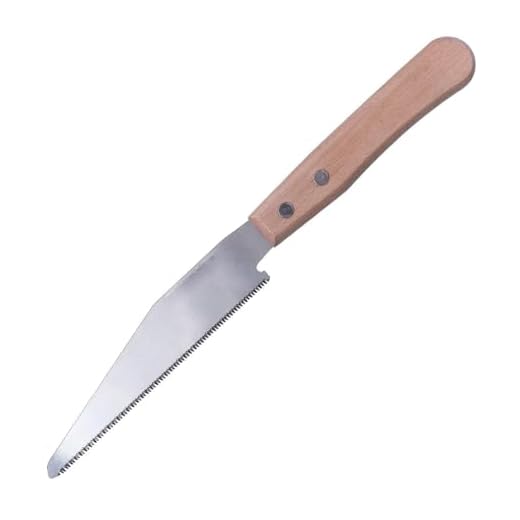
It is crucial to select the appropriate tool for cutting trunking, depending on the material it is made of. For PVC trunking, a fine-toothed saw or a hacksaw works well. These tools ensure clean and precise cuts. For other types of trunking, such as metal or fiberglass, a rotary tool with a cutting disc or a pair of tin snips might be more suitable.
By following these simple steps, you will be able to cut trunking accurately and efficiently to suit your requirements. Remember always to take proper safety precautions and use the correct tools. With a little practice, you will be able to achieve professional-looking results with ease.
The Best Techniques to Cut Trunking
Trunking is an essential component in any electrical installation, and at times it may need to be cut to fit the desired dimensions or to establish clean termination points. Therefore, it is important to use the best techniques when cutting trunking to ensure accurate and efficient results. In this article, we will discuss some of the best techniques that can be employed to cut trunking effectively.
1. Measuring and Marking
Prior to cutting the trunking, it is crucial to accurately measure the required length to avoid any wastage or inadequate coverage. Once measured, the length can be marked using a measuring tape and fine point marker. Take the necessary precautions like wearing safety goggles and gloves before starting the cutting process.
2. Cutting Tools
Choosing the right cutting tool is vital for achieving clean and precise cuts. A fine-toothed hand saw or a hacksaw with a high-quality blade is generally recommended. These tools provide better control and ensure neat cuts without causing unnecessary damage to the trunking or its internal contents.
When using a hand saw or hacksaw, it is advisable to use slow, even strokes along the marking to steadily cut through the trunking. As an alternative, a high-quality jigsaw with a fine-toothed blade can also be used for faster cuts, particularly when dealing with larger sections of trunking.
3. Maintaining Stability and Safety
When cutting trunking, maintaining stability and safety is essential. Using a vise or clamps to secure the trunking while cutting can prevent any unwanted movement and ensure a steady workpiece. This, in turn, helps to achieve accurate cuts and minimizes the risk of accidents or injuries.
It is also important to test the stability and durability of the trunking before cutting. Perform a visual inspection for any damage or weaknesses, and if required, reinforce the trunking with additional supports or braces to avoid any unexpected issues while cutting.
Remember to take proper safety precautions such as wearing protective gear, working in a well-ventilated area, and using appropriate respiratory masks if necessary.
4. Finishing and Clean-up
After cutting the trunking, remove any burrs or sharp edges using a deburring tool or a piece of sandpaper. This step ensures a smooth finish and helps to prevent any abrasions or injuries during installation.
Finally, ensure proper disposal of any waste materials generated during the cutting process. Dispose of them responsibly according to local regulations and guidelines to minimize environmental impact.
| Techniques: | Advantages: |
|---|---|
| Accurate Measuring and Marking | Prevents wastage and inadequate coverage. |
| Using the Right Cutting Tools | Ensures clean and precise cuts without damage to the trunking. |
| Maintaining Stability and Safety | Prevents accidents or injuries. |
| Finishing and Clean-up | Provides a smooth finish and reduces the risk of abrasions or injuries during installation. |
Precision Cutting Steps
When it comes to cutting trunking, precision is key to achieving clean and professional-looking cuts. Follow these steps to ensure accurate and precise cuts:
Step 1: Measure and Mark
Before you begin cutting, it is important to measure the required length of the trunking accurately. Use a measuring tape and mark the desired length on the outside of the trunking using a pencil or a marker.
Step 2: Secure the Trunking
Next, secure the trunking in place using clamps or a vice grip. This will prevent the trunking from moving or sliding during the cutting process and ensure stability.
Step 3: Cut with a Saw
Using a saw, carefully make the cut following the marked line. It is recommended to use a fine-toothed saw or a hacksaw for more controlled and accurate cuts. Take your time to ensure a steady and straight cut.
Step 4: Smooth the Edges
Once the cut is complete, use a file or sandpaper to smooth out any rough or jagged edges. This will help to prevent injuries and provide a professional finish.
Remember, practice makes perfect. Take your time and be patient with each cut to achieve the best results.
Essential tools for effective Cutting
1. Utility Knife
A utility knife is a must-have tool when it comes to cutting trunking. It features a sharp blade that can easily cut through the thick plastic material of the trunking. Look for a high-quality utility knife with a retractable blade for better safety and control.
2. Hacksaw
A hacksaw is another essential tool that can be used for cutting trunking. It has a fine-toothed blade that can cut through the plastic material smoothly and with precision. Make sure to choose a hacksaw with a blade suitable for cutting plastic.
3. PVC Pipe Cutter
If you have a large amount of trunking to cut, investing in a PVC pipe cutter can make the task much easier and faster. A PVC pipe cutter is specifically designed for cutting through plastic pipes and is equipped with a ratcheting mechanism for effortless cutting.
4. Measuring Tape
A measuring tape is an essential tool that will help you achieve accurate cuts when working with trunking. Measure the length you need before making any cuts to ensure a precise fit. Always double-check your measurements to avoid any mistakes or wasted materials.
| Tool | Description |
|---|---|
| Utility Knife | A sharp blade for cutting through thick plastic trunking material. |
| Hacksaw | A fine-toothed blade for smooth and precise cuts on plastic. |
| PVC Pipe Cutter | A special tool designed for cutting plastic pipes with a ratcheting mechanism. |
| Measuring Tape | An essential tool for accurate measurements and precise cuts. |

How to pronounce oisin

Meet Harrison Clayton, a distinguished author and home remodeling enthusiast whose expertise in the realm of renovation is second to none. With a passion for transforming houses into inviting homes, Harrison's writing at https://hutsrenovations.co.uk/ brings a breath of fresh inspiration to the world of home improvement. Whether you're looking to revamp a small corner of your abode or embark on a complete home transformation, Harrison's articles provide the essential expertise and creative flair to turn your visions into reality. So, dive into the captivating world of home remodeling with Harrison Clayton and unlock the full potential of your living space with every word he writes.