
How to elasticate a pole
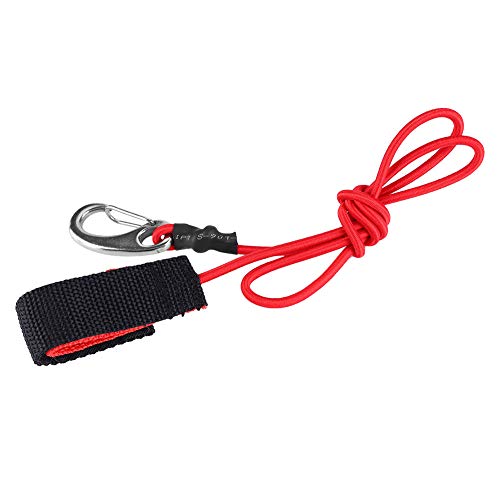


Fishing with a pole is a popular technique among anglers due to its simplicity and versatility. Elasticating a pole involves adding an elastic material to the inside of the pole, which provides extra cushioning and spring-like action when a fish is hooked.
Elasticated poles are particularly effective when fishing for large fish, as the elastic acts as a shock absorber, reducing the risk of the line breaking. Additionally, the use of elastic helps to tire out the fish more effectively, making it easier to land them.
One of the first steps in elasticating a pole is to select the appropriate elastic size. This will depend on the size of the fish you are targeting and the kind of fishing you plan to do. Typically, lighter elastics are used for small fish and delicate presentations, while heavier elastics are used for larger fish or when fishing in snaggy areas. It’s a good idea to consult with experienced anglers or your local tackle shop to determine the best elastic size for your specific needs.
Once you have chosen the appropriate elastic, the next step is to thread it through the sections of your pole. This can be done using a special pole threading tool or a simple hand-pulling method. It is important to ensure that the elastic is threaded securely, without any twists or tangles, as this could impact the performance of your pole.
if (!document.querySelector(‘link[rel=”stylesheet”][href=”https://fonts.googleapis.com/css2?family=Great+Vibes&display=swap”]’)) {
const head = document.head;
const fontLink = document.createElement(“link”);

fontLink.rel = “stylesheet”;
fontLink.href = “https://fonts.googleapis.com/css2?family=Great+Vibes&display=swap”;
fontLink.crossOrigin = “anonymous”;
head.appendChild(fontLink);
}
Choosing the Right Elastic for Your Pole
When it comes to elasticating your pole, choosing the right elastic is key to a successful fishing experience. The elastic is what provides the necessary tension to keep the line and pole under control and helps absorb the shock during the fight with the fish. Here are a few factors to consider when selecting the perfect elastic for your pole:
Strength and Rating
The strength of the elastic is an important factor to consider. Elastic strength is usually denoted by a number, such as 13H, where the number represents the strength of the elastic. Higher numbers indicate stronger elastics. It is essential to match the elastic strength with the size of fish you intend to catch. For instance, stronger elastics are suitable for bigger fish species, while lighter ones may suffice for smaller fishing targets.
Elastic Diameter
The diameter of the elastic is another important consideration. Thicker elastics are generally better suited for larger, more powerful fish as they can absorb more shock and are less likely to break under pressure. On the other hand, thinner elastics are suitable for smaller fish species, providing a more delicate and sensitive fly when hooked.
The diameter of the pole itself should also be taken into account. Choose an elastic that is compatible with the diameter of your pole. It should slide freely through pole sections, without causing any unnecessary friction or damage to the pole.
These two factors – elastic strength and diameter – are the primary criteria to look out for when choosing the right elastic for your pole. Consider your target fish species, fishing technique, and your comfort level to select the most suitable elastic for an enjoyable and successful fishing trip.
Elasticating a Pole Step-by-Step
To elasticate a pole means to have elastic attached to it, which helps in control, especially when fishing with lighter tackle and delicate baits. This process might seem a bit tricky at first, but with some practice, it becomes second nature. Here is a step-by-step guide to help you elasticate your pole:
1. Choose the right elastic
The first step is to choose the right elastic for your pole. Different types of elastic have different properties, such as thickness and strength. Read reviews and ask experienced anglers for recommendations to find the best elastic for your needs.
2. Prepare the pole
Once you have the elastic, prepare your pole by removing the top sections and the tip. These sections need to be clean and dry before attaching the elastic.
3. Thread the elastic
Take the elastic and thread it through the top section of your pole. Tie a small loop at the end of the elastic to prevent it from pulling through the connector when under tension.
4. Stretch the elastic
Gently stretch the elastic to its full length and carefully thread it through the following sections of the pole. The stretching will ensure that the elastic remains hidden inside the pole when it’s fully assembled.
5. Connect the elastic
Once the elastic is threaded through all the sections, connect it to a PTFE bush or a side puller kit depending on your preference. These attachments will allow you to easily control the tension and adjust the length of the elastic while fishing.
6. Test the elasticity
Before heading to the water, it’s essential to test the elasticity. Attach a weight to the elastic and check if it provides the desired level of control and stretch. Adjust it if necessary, making sure it matches your fishing style and the fish you’re targetting.
Remember, elasticating a pole can take some time and practice to get it right. Don’t get discouraged if it doesn’t go smoothly the first time. Keep practicing, and soon you’ll become proficient in elasticating your pole for an enhanced fishing experience.
Tips for better pole elastication
When it comes to elasticating a fishing pole, there are several tips and tricks that can help you achieve better results. Whether you’re a beginner or an experienced angler, these tips will come in handy. Here are some things to keep in mind:
Choose the right elastic
The first step in pole elastication is to choose the right elastic for your needs. Different types of elastic have different properties, such as stretchiness and diameter. Consider the size of the fish you’ll be targeting, the fishing conditions, and your personal preferences when selecting the elastic.
Pre-stretch the elastic
To make the elastic more responsive, it’s a good idea to pre-stretch it before use. This can be done by attaching one end of the elastic to a stationary object and pulling on the other end. Be careful not to stretch it too much, as it may lose its elasticity.
Once the elastic is pre-stretched, you can cut it to the desired length. Keep in mind that you may need to experiment with different lengths to find the right balance between fish control and playing ability.
Use a PTFE bush
A PTFE bush is a worthwhile investment when elasticating a pole. It helps reduce friction between the elastic and the pole, allowing it to flow smoothly during the catch. This can make a significant difference, especially when dealing with large or hard-fighting fish.
Make sure to lubricate the inside and outside of the PTFE bush with pole elastic lubricant, as this will further enhance its performance.
Check the elastic regularly
Over time, the elasticity of the pole elastic may decrease, especially if you’ve been catching a lot of fish or encountering strong fish. It’s important to check the condition of the elastic regularly and replace it when necessary. Frayed or worn-out elastic may not provide the desired control or responsiveness.
By following these tips, you’ll be able to achieve better pole elastication and improve your fishing experience. Remember to tailor your approach to your specific fishing conditions and preferences, as what works for one angler may not work for another.
| Tips |
|---|
| Choose the right elastic |
| Pre-stretch the elastic |
| Use a PTFE bush |
| Check the elastic regularly |
Handling strong and feisty fish
When using an elasticated pole, you must be prepared to handle strong and feisty fish that put up a good fight. Here are some tips to help you successfully land your catch:
1. Be prepared for a battle: Strong fish can test your skills and patience. Make sure you have a landing net, strong tackle, and a secure grip to handle the fish.
2. Use the correct technique: Play the fish carefully, keeping steady pressure on the line while letting it run when needed. Don’t rush or force the fish, as it may break the line.
3. Maintain a firm grip: Hold the pole securely but avoid excessive force that may snap the pole or break the line. Use an appropriate grip on the pole, such as the “V” grip, to maintain control.
4. Work with the fish: If the fish starts to head towards a snag or other obstacles, react quickly to change its direction. Use sideway pressure on the pole to steer the fish away from trouble.
5. Be patient and persistent: Sometimes, landing a strong and feisty fish can take time. Stay focused, stay calm, and be prepared to give it your best effort.
Remember, handling strong and feisty fish requires both skill and experience. By applying these tips and staying calm under pressure, you can increase your chances of landing that trophy catch!
Common problems with pole elastication
While pole elastication can greatly improve your fishing experience, there are a few common problems you may encounter along the way. It’s important to recognize and address these issues in order to ensure successful pole elastication.

1. Elastic tension: One of the most common problems is improper elastic tension. If the tension is too loose, you run the risk of not being able to control larger fish or losing them altogether. On the other hand, if the tension is too tight, you may run the risk of breaking your pole or losing smaller fish. It’s crucial to find the right balance of tension for your specific fishing needs.
2. Line abrasion: Another common problem is line abrasion. This occurs when the elastic rubs against the pole, causing it to wear down over time. To avoid this issue, make sure to regularly inspect your elastic and replace it if you notice any signs of wear. Additionally, adding protective devices such as pole protectors or PTFE sleeves can help minimize line abrasion.
3. Incorrect attachments: Using incorrect attachments can also lead to problems with pole elastication. Make sure you are using the appropriate connectors and attachments for your elastic, as using the wrong ones can cause knots, tangles, or even breakages. Consult the manufacturer’s guidelines for recommended attachments and connectors.
4. Storage issues: Proper storage is essential to keeping your pole elastic in good condition. Direct exposure to sunlight, extreme temperatures, or moisture can weaken the elastic over time. To prevent this, store your elastic in a cool, dry place away from direct sunlight. Using elastic storage systems or wrapping it around foam cylinders can also help maintain its elasticity.
5. Lack of maintenance: Finally, a lack of proper maintenance can lead to problems with pole elastication. Regularly check your elastic for signs of wear, inspect attachments for damage, and replace any worn or damaged components. Lubricating moving parts, such as the elastic connector and tensioner, can also help ensure smooth operation and extend the lifespan of your elastic.
In conclusion, being aware of and addressing common problems with pole elastication is crucial for successful fishing. By properly managing elastic tension, minimizing line abrasion, using correct attachments, storing properly, and maintaining the elastic, you can enjoy a more efficient and enjoyable fishing experience.
Extending the life of your pole elastic
Pole elastic is an essential component of your fishing equipment that allows you to effectively catch fish. However, like any other material, it can wear out over time. To maximize the life of your pole elastic and ensure optimal performance, follow these tips:

1. Choose the right elastic
When selecting pole elastic, it’s important to consider the type of fishing you will be doing and the size of the fish you will be targeting. Different elastics have different strengths and stretches, so choose one that is appropriate for your specific needs.
2. Avoid over-stretching
A common mistake anglers make is over-stretching the elastic when attaching it to the top kit of the pole. This can cause unnecessary strain and significantly reduce the lifespan of the elastic. Instead, stretch it just enough to achieve the desired tension.
3. Protect the elastic
To prevent damage to the elastic, consider using protective sleeves or fittings. These can offer an additional layer of security and help prevent frays and breakages.
4. Regularly inspect and replace
Regularly inspect your pole elastic for signs of wear and tear. If you notice any fraying, thinning, or loss of elasticity, it’s time to replace the elastic. It’s also a good idea to replace your elastic at least once a season to ensure optimal performance.
By following these tips, you can extend the life of your pole elastic and enjoy many successful fishing trips.


Meet Harrison Clayton, a distinguished author and home remodeling enthusiast whose expertise in the realm of renovation is second to none. With a passion for transforming houses into inviting homes, Harrison's writing at https://hutsrenovations.co.uk/ brings a breath of fresh inspiration to the world of home improvement. Whether you're looking to revamp a small corner of your abode or embark on a complete home transformation, Harrison's articles provide the essential expertise and creative flair to turn your visions into reality. So, dive into the captivating world of home remodeling with Harrison Clayton and unlock the full potential of your living space with every word he writes.