
How to get rid of pollen beetles
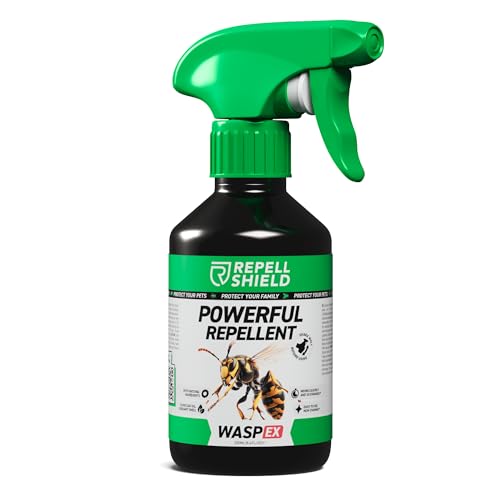


If you enjoy spending time in your garden, you’re probably familiar with the annoying presence of pollen beetles. These tiny pests, also known as thunderbugs or corn flies, can wreak havoc on your plants and flowers, leaving behind unsightly damage. Fortunately, there are several effective methods to keep these pests under control and prevent them from spoiling your outdoor experience.
Pollen beetles are attracted to bright colored flowers, especially those with yellow petals. They feed on the pollen and nectar of these flowers, causing them to become discolored and wilted. While individual beetles may not cause significant damage, large populations can have a detrimental effect on the overall health and appearance of your plants.
Here are some tips to help you get rid of pollen beetles:
- Plant diversity: Plant a variety of flowering plants in your garden to reduce the risk of attracting large populations of pollen beetles. Choose flowers with different colors and shapes to make it harder for the pests to find their favorite sources of pollen.
- Timing is key: Pollen beetles are most active during warm and sunny weather, typically in spring and early summer. Try to avoid planting your most vulnerable plants during these periods or take preventive measures such as covering them with netting.
- Practice good garden hygiene: Keep your garden clean and free from debris, as pollen beetles can hide in weeds and decaying plant material. Regularly remove dead flowers and weeds to reduce the chances of infestation.
- Biological controls: Introducing natural predators of pollen beetles, such as ladybugs or lacewings, can help keep their population in check. You can also consider using organic insecticides specifically targeted at these pests.
By following these simple steps, you can effectively reduce the presence of pollen beetles in your garden and ensure that your plants remain healthy and vibrant throughout the season.
Say goodbye to pollen beetles
If you’re tired of dealing with pesky pollen beetles in your garden, we have some tips to help you say goodbye to these pests for good. Follow these steps to rid your garden of pollen beetles and enjoy your outdoor space again.
- Keep your garden clean: Pollen beetles are attracted to debris and dead plants. Regularly clean up fallen leaves and remove any decaying vegetation that could be attracting these pests.
- Plant repellent flowers: Certain flowers, such as marigolds and lavender, have natural properties that repel pollen beetles. Planting these flowers in your garden can help deter them from coming around.
- Install physical barriers: Use nets or covers to protect valuable plants from pollen beetles. These barriers can prevent the beetles from gaining access to your plants and causing damage.
- Keep a tidy greenhouse: If you have a greenhouse, make sure to keep it clean and free from debris. Regularly inspect your plants for any signs of pollen beetle infestations and take necessary action to control the problem.
- Use natural predators: Introduce natural enemies of pollen beetles, such as ladybirds or lacewings, to your garden. These insects prey on pollen beetles and can help keep their population in check.
- Apply organic insecticides: If all else fails, consider using organic insecticides to control pollen beetles. These products are often less harmful to beneficial insects and are a safer option for your garden.
By following these tips, you can effectively say goodbye to pollen beetles and maintain a healthy garden environment. Remember to consistently monitor your garden for any signs of infestation and take immediate action to prevent further spread.
The threat of pollen beetles
Pollen beetles are tiny insects that can wreak havoc on crops, particularly oilseed rape and other flowering plants. These beetles are attracted to the flowers of plants and feed on the pollen. While they may seem harmless, their presence can have severe consequences for farmers and gardeners alike.
One of the main issues with pollen beetles is their ability to reproduce quickly. A single female beetle can lay hundreds of eggs, leading to a rapid increase in population if left unchecked. As a result, infestations can occur rapidly and have a significant impact on plant productivity.
Pollen beetles can cause damage in multiple ways. Firstly, their feeding can result in the removal of large quantities of pollen from the flowers, preventing the plants from pollinating properly. This can lead to reduced fruit and seed production, ultimately affecting crop yield.
Furthermore, pollen beetles can also introduce harmful pathogens into plants. As they move from flower to flower, they inadvertently carry and spread diseases, further compromising plant health. This can not only lead to lower crop quality but also increase the risk of diseases spreading to entire fields.
In addition to the direct damage they cause, pollen beetles can also be a nuisance for humans. When large populations of beetles emerge, they can seek shelter in buildings, invading homes and creating a disturbance. For individuals with allergies, these beetles can exacerbate symptoms, leading to discomfort and respiratory issues.
|
Key points:
|
Prevention and control methods
Pollen beetles can be a nuisance, but there are several methods you can use to prevent and control their presence. Here are some effective strategies:
| Methods | Description |
|---|---|
| 1. Crop rotation | By incorporating crop rotation into your farming practices, you can disrupt the life cycle of pollen beetles. This involves alternating different crops on the same field, reducing the availability of food sources for the beetles and making the environment less favorable for their reproduction. |
| 2. Timely harvesting | Harvesting your crops in a timely manner, especially those that are particularly attractive to pollen beetles, can help minimize their population. Pollen beetles are often attracted to flowering plants, so ensuring that you harvest before they reach their peak bloom can prevent beetles from infesting the crops. |
| 3. Mechanical barriers | Installing nets or physical barriers around your crops can serve as a deterrent for pollen beetles. These barriers can help prevent beetles from reaching and feeding on the plants, reducing the damage they can cause. Regular inspection and maintenance of the barriers are necessary to ensure their effectiveness. |
| 4. Insecticides and biological control | In certain cases, insecticides may be necessary to control pollen beetle populations. However, the use of chemical insecticides should only be considered as a last resort and used in accordance with local regulations. Alternatively, biological control methods, such as the introduction of natural enemies of pollen beetles, can also be sought with the help of experts. |
| 5. Monitoring and scouting | Regular monitoring of your fields and crops can help identify early signs of pollen beetle infestation. This allows for timely intervention and prevents populations from growing exponentially. Scouting for beetle damage and the presence of beetles in the field should be conducted regularly to guide control measures. |
Implementing these prevention and control methods can significantly reduce the impact of pollen beetles on your crops and help you maintain healthy and thriving agricultural practices.
Natural remedies for pollen beetles
If you are dealing with a pollen beetle infestation, you might be looking for natural remedies to get rid of them. Fortunately, there are several methods you can try that do not involve the use of harmful chemicals. Here are a few options:
1. Attract natural predators
One effective way to control pollen beetles is to encourage their natural predators to visit your garden. Ladybugs, lacewings, and ground beetles are all known to feed on pollen beetles and can help keep their populations in check. To attract these beneficial insects, you can plant pollen and nectar-rich flowers such as yarrow, goldenrod, and aster.
2. Create barriers
Another natural approach is to physically create barriers to keep pollen beetles away from your plants. Row covers with a fine mesh can be used to cover vulnerable crops, preventing adult beetles from laying eggs on them. This method is particularly effective for small-scale gardens or specific areas where infestations are concentrated.
Important: Be sure to remove the covers once the flowers are ready to be pollinated, as you don’t want to prevent beneficial insects from reaching them.
3. Companion planting
Companion planting involves pairing certain plants together to benefit each other. Some plants, such as marigolds, are known to repel pollen beetles. By strategically planting these repellent plants around your crops, you can help deter beetles from infesting your garden.
Note: Make sure to research and choose companion plants that are compatible with your crops and growing conditions.
By implementing these natural remedies, you can minimize the damage caused by pollen beetles in a safe and eco-friendly way. Remember, prevention is key, so be vigilant and regularly monitor your plants for any signs of infestation.


Meet Harrison Clayton, a distinguished author and home remodeling enthusiast whose expertise in the realm of renovation is second to none. With a passion for transforming houses into inviting homes, Harrison's writing at https://hutsrenovations.co.uk/ brings a breath of fresh inspiration to the world of home improvement. Whether you're looking to revamp a small corner of your abode or embark on a complete home transformation, Harrison's articles provide the essential expertise and creative flair to turn your visions into reality. So, dive into the captivating world of home remodeling with Harrison Clayton and unlock the full potential of your living space with every word he writes.