How to get waves out of vinyl flooring



Vinyl flooring is a popular choice for many homeowners due to its durability and affordability. However, over time, waves or ripples may develop in the surface of the vinyl, which can be unsightly and potentially hazardous. If you’re experiencing this issue in your home, don’t worry! There are steps you can take to eliminate those waves and restore your vinyl flooring to its smooth, flat appearance.
One cause of waves in vinyl flooring is improper installation. If the adhesive wasn’t applied evenly or if the flooring wasn’t allowed to acclimate to the room’s temperature and humidity before installation, waves may appear. Another cause could be excess moisture or humidity in the subfloor. Whatever the cause, the good news is that you can fix the problem without having to replace the entire flooring.

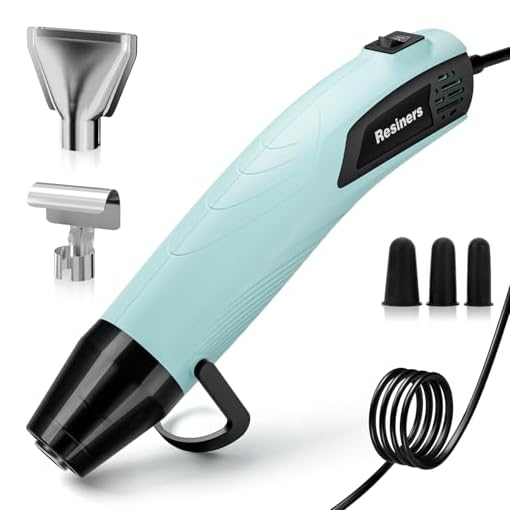
To get rid of waves in your vinyl flooring, you’ll need a few basic tools and materials, including a heat gun or hairdryer, a utility knife, a putty knife, a rolling pin or flooring roller, and a vinyl adhesive or glue. Start by softening the vinyl using the heat gun or hairdryer, being careful not to overheat or melt the vinyl. Once the vinyl is warm and pliable, use the utility knife to cut a small slit in the middle of the wave, then use the putty knife to gently lift the edges of the vinyl and apply adhesive underneath. Use the rolling pin or flooring roller to smooth out the vinyl and remove any air bubbles. Repeat this process for each wave until your vinyl flooring is smooth and flat again.
Tips for smoothing out vinyl flooring waves
1. Heat it up: In order to fix a wave in your vinyl flooring, you can use heat to soften the material. Start by covering the affected area with a towel and applying a hot iron on top. Be careful not to overheat the vinyl or leave the iron in one spot for too long.
2. Weigh it down: Another method to smooth out vinyl flooring waves is by using weights or heavy objects. Place these objects on top of the problem area and leave them there for a while. This will help the vinyl relax and flatten on its own.
3. Use a blow dryer: Similar to using heat from an iron, you can also use a blow dryer to fix waves in vinyl flooring. Set the blow dryer to a medium or low temperature and aim it at the wrinkled area. Keep moving the blow dryer around to distribute heat evenly.
4. Apply adhesive: If the waves in your vinyl flooring are stubborn and not responding to heat, you can try applying adhesive to help them lay flat. Use a suitable vinyl flooring adhesive and follow the manufacturer’s instructions for application. This method may require a bit more time and effort, but it can provide a long-lasting solution.
5. Consult a professional: If all else fails and you are unable to fix the waves in your vinyl flooring yourself, it may be best to consult a professional. They will have the necessary expertise and tools to properly smooth out the waves and ensure your vinyl flooring looks its best.
In conclusion, smoothing out vinyl flooring waves can be achieved through various methods such as using heat, weights, blow dryers, or adhesive. However, it’s important to take caution and follow the appropriate instructions for each technique in order to prevent any damage to the flooring.
Understanding the Cause of Vinyl Flooring Waves
Vinyl flooring is a popular choice for many homeowners due to its durability and affordability. However, over time, you may notice waves or bumps appearing on the surface of your vinyl floor, which not only detracts from its appearance but can also be a tripping hazard. Understanding the causes of these waves can help you prevent and address them.
1. Moisture and Humidity
One common cause of vinyl flooring waves is moisture and humidity. When exposed to high levels of moisture or fluctuating humidity, vinyl flooring can expand and contract, causing it to warp and create waves. This is particularly common in areas with high humidity, such as basements and bathrooms. To prevent this issue, make sure your vinyl flooring is installed correctly with the necessary moisture barriers and proper subfloor preparation.
2. Poor Installation
Inadequate installation practices can also lead to vinyl flooring waves. If the subfloor is not properly prepared or if the vinyl is installed with bubbles or wrinkles, it can result in waves on the surface. It is crucial to hire a professional installer who is experienced in working with vinyl flooring and follows the manufacturer’s installation instructions to avoid this issue.
To visually illustrate the causes of vinyl flooring waves, here’s a table summarizing the main factors:
| Cause | Description |
|---|---|
| Moisture and Humidity | High moisture levels or fluctuating humidity can cause vinyl flooring to expand and contract, creating waves. |
| Poor Installation | Inadequate subfloor preparation or incorrect vinyl installation techniques can result in waves. |
By addressing these underlying causes, you can prevent or rectify vinyl flooring waves, ensuring that your floor remains smooth and aesthetically pleasing.
Effective Methods to Eliminate Vinyl Flooring Waves
Having waves in your vinyl flooring can not only look unattractive but also pose a tripping hazard. Luckily, there are several effective methods you can use to eliminate these waves and restore the smooth and even appearance of your vinyl flooring. It’s important to follow these steps carefully to ensure the best results:
1. Acclimate the Vinyl Flooring
Prior to installation, it’s crucial to acclimate vinyl flooring to the temperature and humidity of the room where it will be installed. This can help prevent the formation of waves. Allow the vinyl flooring to sit in the room for at least 48 hours before installation.
2. Prepare the Subfloor
Remove any debris, bumps, or uneven areas from the subfloor. The vinyl planks or sheets need to have a flat and smooth surface to be properly installed.
3. Use the Correct Adhesive
Make sure to use the adhesive recommended by the manufacturer for your specific type of vinyl flooring. Applying the wrong adhesive can lead to waves or other issues. Follow the manufacturer’s instructions for proper application.
4. Roll and Press the Flooring
After applying the adhesive, use a heavy roller to press the vinyl flooring onto the subfloor firmly. This will help eliminate any air bubbles or waves. Use a rolling pin or rental roller if you don’t have a specific flooring roller.
5. Apply Weight on Top
If there are still waves in the vinyl flooring after rolling and pressing, you can try placing heavy weights on top of the affected areas. This will help flatten the waves over time. Be cautious not to damage the flooring with sharp or heavy objects.
6. Seek Professional Help
If all else fails or if the waves are extensive, it may be best to seek professional help. A flooring specialist or contractor will have the experience and expertise to assess the situation and determine the best course of action for eliminating the waves in your vinyl flooring.
By following these effective methods and taking necessary precautions, you can successfully eliminate waves in your vinyl flooring and enjoy a smooth and even surface once again.



Meet Harrison Clayton, a distinguished author and home remodeling enthusiast whose expertise in the realm of renovation is second to none. With a passion for transforming houses into inviting homes, Harrison's writing at https://hutsrenovations.co.uk/ brings a breath of fresh inspiration to the world of home improvement. Whether you're looking to revamp a small corner of your abode or embark on a complete home transformation, Harrison's articles provide the essential expertise and creative flair to turn your visions into reality. So, dive into the captivating world of home remodeling with Harrison Clayton and unlock the full potential of your living space with every word he writes.