
How to put inhibitor in radiator


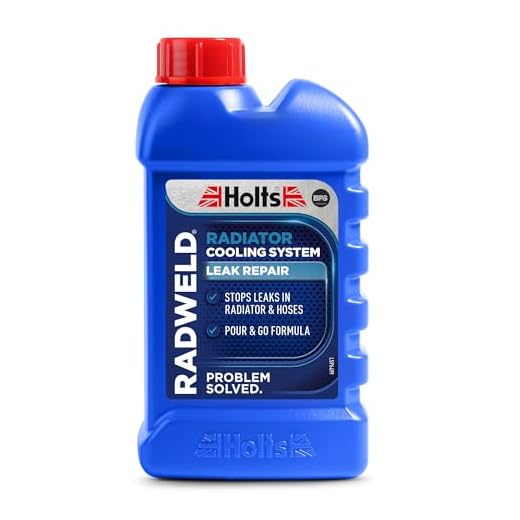
The radiator is an essential part of a vehicle’s cooling system. Over time, rust and corrosive particles can build up inside the radiator, causing it to function less efficiently.
To prevent this and ensure optimal performance, it is important to regularly add a radiator inhibitor.
A radiator inhibitor helps to protect the radiator from corrosion, lubricate the cooling system, and prevent any damage caused by rust or scale buildup. Additionally, it aids in the prevention of freezing and boiling of the coolant, which can lead to engine damage.
Adding a radiator inhibitor to your vehicle is a simple process that can be done by following these easy steps:
Step 1: Drain the radiator.
Before adding the inhibitor, it is crucial to drain the existing coolant from the radiator. Locate the drain plug at the bottom of the radiator and place a drain pan beneath it. Open the plug and allow the coolant to fully drain out.
Step 2: Prepare the radiator inhibitor.

Once the radiator is drained, prepare the inhibitor solution. Read the instructions on the product label carefully to ensure the correct ratio of inhibitor to water is used. Typically, this ratio is specified in the product instructions and is essential for the inhibitor to work effectively.
Step 3: Pour the inhibitor into the radiator.
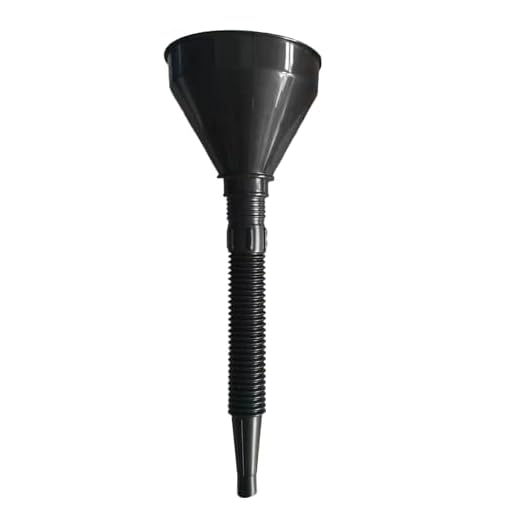
Add the prepared inhibitor solution to the radiator using a funnel to prevent spills. Slowly pour the solution into the radiator until it reaches the recommended level specified by the vehicle manufacturer.
Step 4: Replace the radiator cap.
After adding the inhibitor, firmly replace the radiator cap. It is crucial to ensure the cap is securely in place to prevent any leaks or contamination of the cooling system.
It is important to remember that the radiator inhibitor should be replaced periodically, as its effectiveness may reduce over time. Check your vehicle’s manual or consult a mechanic for the recommended maintenance schedule for your specific vehicle.
By following these simple steps and regularly adding a radiator inhibitor, you can help to prolong the lifespan of your radiator, ensure optimal cooling system performance, and prevent costly repairs.
Why you should put an inhibitor in your radiator
An inhibitor is a crucial additive that can help to protect your radiator system and maximize its lifespan. By adding an inhibitor to your radiator, you can prevent several common issues that can lead to costly repairs or replacements.
Firstly, an inhibitor can protect your radiator system from corrosion. Over time, the water in your radiator can corrode the metals inside, leading to rust and blockages. By adding an inhibitor, it creates a protective layer on the metal surfaces, keeping corrosion at bay.
Secondly, an inhibitor can help prevent limescale buildup. Hard water contains minerals that can accumulate on the inside of your radiator and pipes, reducing the efficiency of your heating system. An inhibitor can prevent limescale formation, ensuring that your radiator can operate optimally.
Furthermore, an inhibitor can also prevent the formation of sludge or debris within your radiator system. Sludge and debris can accumulate over time and clog the pipes, reducing heat transfer and potentially causing your radiators to not work efficiently. Adding an inhibitor can help to keep the system clean and prevent these blockages.
In addition, an inhibitor can also help to improve the overall efficiency of your radiator system. By preventing corrosion, limescale buildup, and sludge formation, the inhibitor ensures that heat is transferred efficiently, saving energy and reducing your heating bills.
Overall, adding an inhibitor to your radiator is a simple and cost-effective way to protect your heating system. It helps to prevent corrosion, limescale buildup, sludge formation, and improves efficiency. So, don’t forget to put an inhibitor in your radiator and enjoy the benefits it brings!
Benefits of using an inhibitor in your radiator
An inhibitor is a chemical solution that is added to the radiator coolant in a vehicle to help prevent corrosion and scaling. There are several benefits to using an inhibitor in your radiator:
1. Protects against corrosion:
Over time, the metal components in the radiator can start to corrode. By using an inhibitor, you can help prevent corrosion from occurring. The inhibitor forms a protective layer on the metal surfaces, acting as a barrier against oxidation and corrosion. This helps to extend the life of your radiator and keep it running smoothly.
2. Prevents scaling:
In addition to protecting against corrosion, an inhibitor also helps to prevent the buildup of scale in the radiator. Scale can develop over time due to the presence of minerals and other deposits in the coolant. Scaling can reduce the efficiency of your radiator and lead to overheating. By using an inhibitor, you can help prevent the formation of scale and maintain optimal radiator performance.
3. Improves heat transfer:
An inhibitor helps to improve the heat transfer properties of the coolant in your radiator. By reducing the occurrence of corrosion and scaling, the inhibitor ensures that the coolant can flow freely through the radiator, effectively transferring heat from the engine. This helps to prevent overheating and ensures that the engine operates at an optimal temperature.
4. Extends the life of the coolant:
By using an inhibitor, you can extend the life of the coolant in your radiator. The inhibitor helps to maintain the quality of the coolant, preventing the buildup of contaminants and ensuring that it remains effective for longer. This reduces the need for frequent coolant changes, saving you time and money in the long run.
| Benefits | |
|---|---|
| Protects against corrosion | ✔ |
| Prevents scaling | ✔ |
| Improves heat transfer | ✔ |
| Extends the life of the coolant | ✔ |
Step-by-step guide to putting an inhibitor in your radiator
Putting an inhibitor in your radiator is an essential maintenance task that helps protect your heating system from corrosion and prevents the buildup of mineral deposits. Here’s a step-by-step guide to help you through the process:
Step 1: Gather the necessary materials
Before you begin, make sure you have everything you need. You will require:
- A bottle of radiator inhibitor
- A funnel
- A cloth or towel
- A screwdriver (if necessary to open the valve)
Step 2: Prepare your radiator
First, find the radiator valve. It is typically located at the bottom of the radiator on the side. If there is a plastic cover, remove it using a screwdriver.
Step 3: Open the valve
If your valve has a slotted screw head, insert your screwdriver and turn it counterclockwise to open the valve. Some valves may have a special valve cap that needs to be unscrewed to access the valve.
Step 4: Use a funnel to pour the inhibitor
Take your funnel and place it into the valve opening. Ensure that it fits securely so that no inhibitor spills during the pouring process.
Step 5: Pour the inhibitor
Open the bottle of inhibitor and carefully pour it into the funnel. Take your time to avoid any spills or splashes. It’s important to pour the recommended amount of inhibitor according to the instructions on the bottle.
Step 6: Close the valve
Once you have poured the inhibitor, remove the funnel and wipe any spills or drips with a cloth or towel. Then, close the valve by turning it clockwise. Make sure it is tightly closed to prevent any leaks.
That’s it! You have successfully put an inhibitor in your radiator. Remember to check your manufacturer’s instructions for any specific guidelines related to your particular radiator model. It’s a good idea to repeat this process annually to maintain the efficiency and lifespan of your heating system.
Things to consider before adding an inhibitor to your radiator
Prior to adding an inhibitor to your radiator, it is important to consider a few key factors to ensure its effectiveness and proper installation.

1. Identifying the correct inhibitor
Not all inhibitors are suitable for every type of radiator and heating system. It is essential to correctly identify the type of radiator you have and the specific needs of your heating system in order to choose the right inhibitor. Consult your radiator manufacturer’s guidelines or seek professional advice if unsure.
2. Assessing the condition of your radiator
Before adding an inhibitor, thoroughly inspect your radiator for any signs of damage or corrosion. If there are any leaks, cracks, or other defects, it is important to address those issues before adding the inhibitor. Inhibitors work best when applied to a properly functioning radiator.
3. Flushing your radiator
Prior to adding an inhibitor, it is necessary to flush your radiator system to ensure it is free from any existing debris or sludge. Flushing involves removing any accumulated contaminants that could potentially hinder the performance of the inhibitor. Follow the manufacturer’s instructions or seek professional assistance on how to properly flush your radiator.
4. Proper dosage and application
When adding an inhibitor, it is crucial to follow the manufacturer’s dosage recommendations to achieve optimal results. Adding too much or too little inhibitor can lead to poor performance or even damage to the radiator. Carefully follow the instructions provided with the inhibitor product and ensure even distribution throughout the system.
5. Regular maintenance
Adding an inhibitor to your radiator is not a one-time fix. It requires regular monitoring and maintenance to ensure its continued effectiveness. Regularly check the condition of your radiator and observe any changes in performance to identify any potential issues or the need for further inhibitor treatment.
By considering these factors, you can effectively add an inhibitor to your radiator while ensuring its proper function and longevity.
Common mistakes to avoid when adding an inhibitor to your radiator
Adding an inhibitor to your radiator is an important step in maintaining the efficiency and longevity of your heating system. However, there are a few common mistakes that many people make when performing this task. By avoiding these mistakes, you can ensure that the inhibitor is added properly and will effectively protect your radiator.
- Not reading the instructions: One of the most common mistakes when adding an inhibitor to your radiator is not reading the instructions provided by the manufacturer. Each inhibitor may have specific directions for use, including the ideal amount to add, the proper mixing procedure, and any safety precautions. Make sure to read and follow these instructions carefully.
- Using the wrong inhibitor: Another common mistake is using the wrong type of inhibitor for your specific radiator system. Inhibitors come in different formulations, catering to various types of heating systems. Make sure to select an inhibitor that is compatible with your radiator system and follow the manufacturer’s recommendations.
- Adding too much or too little: The amount of inhibitor to add to your radiator is important. Adding too much can cause blockages and reduce the heat transfer efficiency, while adding too little may not provide adequate protection against corrosion and limescale. Refer to the manufacturer’s instructions or consult a professional for guidance on the correct dosage for your radiator system.
- Not properly bleeding the radiator: Before adding the inhibitor, it is essential to ensure that your radiator is properly bled of any trapped air. If air is present in the system, it can affect the performance and effectiveness of the inhibitor. Follow the proper bleeding procedure as recommended by your radiator manufacturer.
- Failure to regularly maintain the inhibitor: Adding an inhibitor once is not enough. It is vital to regularly check and maintain the inhibitor level in your radiator system. Over time, the inhibitor can lose its effectiveness, and low levels can lead to corrosion and other issues. Follow the manufacturer’s recommendations on how frequently to check and top up the inhibitor.
- Not labeling the date of inhibitor addition: It is a good practice to label the date when you added the inhibitor to your radiator system. This will help you keep track of when the inhibitor needs to be replaced, ensuring that your system remains protected from corrosion and limescale.
Avoiding these common mistakes will help you properly add an inhibitor to your radiator and ensure optimal performance and longevity of your heating system.


Meet Harrison Clayton, a distinguished author and home remodeling enthusiast whose expertise in the realm of renovation is second to none. With a passion for transforming houses into inviting homes, Harrison's writing at https://hutsrenovations.co.uk/ brings a breath of fresh inspiration to the world of home improvement. Whether you're looking to revamp a small corner of your abode or embark on a complete home transformation, Harrison's articles provide the essential expertise and creative flair to turn your visions into reality. So, dive into the captivating world of home remodeling with Harrison Clayton and unlock the full potential of your living space with every word he writes.