
How to put up a stud wall


Putting up a stud wall is a fundamental skill every DIY enthusiast should have. Whether you want to create separate rooms in an open space or simply need to construct a partition wall, understanding the basics of building a stud wall is essential.
A stud wall consists of several timber frames known as studs, which are fixed together to create a solid structure. These studs serve as the framework on which plasterboard or drywall is attached to create a finished wall. With proper planning, precise measurements, and the right tools, you can put up a stud wall with ease.
Step 1: Planning
Before you start, it’s crucial to plan the layout and design of your stud wall. Determine the location, dimensions, and purpose of the wall. Measure the height, length, and width of the area where the wall will be installed. Consider any doors or windows that need to be factored into the design.
Pro tip: Drawing a rough sketch of the wall and taking accurate measurements will help you visualize the final result.
Step 2: Gathering Materials and Tools
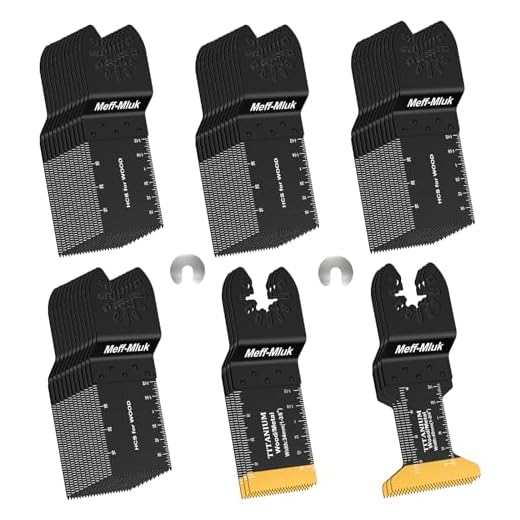
Once you have finalized the design, gather all the necessary materials and tools. You will need timber studs of the appropriate length and thickness, nails or screws to fix the studs, a spirit level, a tape measure, a circular saw or a handsaw to cut the timber, and safety equipment such as goggles and gloves.
Pro tip: Using quality timber and the right tools will ensure a strong and long-lasting stud wall.
With careful planning, preparation, and execution, putting up a stud wall is a rewarding task that contributes to the overall aesthetics and functionality of your space. Follow these necessary steps, and soon you’ll have a sturdy and well-constructed partition that meets your specific needs.
Step-by-Step Guide to Putting Up a Stud Wall
Putting up a stud wall is a great way to create separation and divide a large space into smaller, more functional areas. Whether you want to create a new bedroom, office, or simply add some privacy, a stud wall can be a straightforward DIY project. Follow these step-by-step instructions to get started:
Step 1: Measure and Mark: Begin by measuring the area where you want to put up the stud wall. Use a tape measure and a pencil to mark the exact dimensions on the floor and ceiling. Make sure to account for any outlets, doors, or windows that need to be framed.
Step 2: Gather Materials and Tools: Before you begin, make sure you have all the necessary materials and tools. You will need timber studs, a saw, a spirit level, a hammer, screws, and a drill. Consider purchasing pre-cut stud lengths to save time and effort.
Step 3: Cut the Studs: Using a saw, cut the timber studs to the desired height of your wall. Remember to subtract the thickness of the top and bottom plates from the height measurement to ensure a proper fit.
Step 4: Install the Bottom Plate: Lay the cut studs on the floor, space them evenly along the wall, and lay the bottom plate across them. Use a spirit level to make sure it is level and secure it to the floor using screws or nails.
Step 5: Cut and Install the Top Plate: Measure and cut the top plate to match the length of the wall. Attach it to the ceiling joists using screws or nails. Again, use a spirit level to ensure it is level.
Step 6: Install Vertical Studs: Starting at one end of the wall, take a vertical stud and place it between the top and bottom plates. Use a spirit level to ensure it is plumb and then secure it using the hammer and nails or screws. Repeat this step for each vertical stud, spacing them around 16-24 inches apart.
Step 7: Add Cross Bracing: To strengthen the stud wall, add cross braces between the vertical studs. Cut the braces to size and attach them with nails or screws. Place them around halfway up the wall and repeat on the other side.
Step 8: Frame Openings: If you have doors or windows to frame, measure the dimensions and cut studs to fit. Frame each opening, making sure they are plumb and level, and secure them with nails or screws.
Step 9: Insulate and Add Drywall: If desired, now is the time to add insulation between the studs for soundproofing and energy efficiency. Once that is done, you can hang drywall on both sides of the stud wall, attaching it with screws.
Step 10: Finish and Decorate: Fill any gaps or holes with putty, sand the drywall surface until smooth, and apply a coat of paint or wallpaper to finish off your new stud wall. Voila, you’re all done!
Gather the Necessary Tools and Materials
Before starting the process of putting up a stud wall, it is important to gather all the necessary tools and materials. Having everything prepared beforehand will save time and ensure a smooth installation.
Here are the tools and materials you will need:
Tools:
- Measuring tape
- Pencil
- Level
- Hammer
- Power drill
- Screwdriver
- Chalk line
- Saw
- Nail gun (optional)
- Safety glasses
Materials:
- 2×4 timber studs
- Plywood sheets
- Drywall screws
- Construction adhesive
- Nails
- Joint compound
- Sanding block
- Primer and paint
Make sure to have all the necessary tools in good working condition and buy the appropriate materials according to the measurements of your wall. Having everything ready will make the process much easier and efficient.
Measure, Mark, and Cut the Wall Plates
Before you start putting up the stud wall, you need to measure and prepare the wall plates, which will act as the top and bottom of the frame. The wall plates are typically made from lengths of timber, usually 2×4 inches in size.
To begin, measure the length of the wall where you want to install the stud wall. Using a tape measure, carefully mark the dimensions on the wall plate timbers.
Next, using a builder’s square, draw a straight line across the thickness of the timber at the marked dimensions. This line will serve as a reference point for cutting.
Ensure that you have measured and marked both the top and bottom wall plates before you proceed to cut them. Precise and accurate measurements are essential to ensure your stud wall fits snugly and securely.
With your measurements marked and lines drawn, use a saw to carefully cut the wall plates along the marked lines. Take your time and cut steadily to ensure clean and straight cuts.
Once you have cut both the top and bottom wall plates, use sandpaper to smooth any rough edges or splinters from the timber. This step is important to prevent any slivers or snags when handling the wall plates.
Remember, safety is important when cutting timber, so always wear protective gloves and goggles. Take your time, and if you’re unsure, seek advice from a professional.
By measuring, marking, and cutting your wall plates accurately, you are one step closer to putting up a sturdy and reliable stud wall. Ensure you have all the necessary materials and tools before you proceed to the next stage.


Meet Harrison Clayton, a distinguished author and home remodeling enthusiast whose expertise in the realm of renovation is second to none. With a passion for transforming houses into inviting homes, Harrison's writing at https://hutsrenovations.co.uk/ brings a breath of fresh inspiration to the world of home improvement. Whether you're looking to revamp a small corner of your abode or embark on a complete home transformation, Harrison's articles provide the essential expertise and creative flair to turn your visions into reality. So, dive into the captivating world of home remodeling with Harrison Clayton and unlock the full potential of your living space with every word he writes.