How to recover a footstool


If your footstool looks tired and worn out, it’s time to give it a makeover! Recovering a footstool is a simple and satisfying DIY project that can breathe new life into your tired furniture piece. Whether you want to update the fabric to match your current decor or simply refresh the look, this step-by-step guide will help you achieve a professional-looking result.
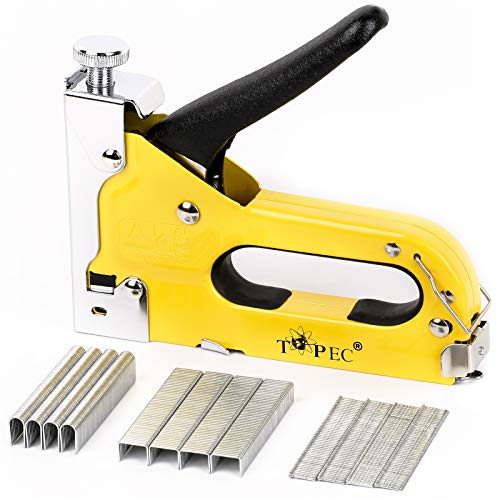
Firstly, gather all the materials you’ll need for this project. You will need a fabric of your choice, upholstery foam, a staple gun, scissors, and a screwdriver (if your footstool has a removable top). Measure the dimensions of your footstool to calculate how much fabric and foam you will need.
Start by removing the current fabric from the footstool. If the top is removable, use a screwdriver to loosen the screws and take off the top. Be careful not to lose any screws or small parts. Next, carefully remove the old fabric by pulling out any staples or nails holding it in place. Use scissors to cut away any excess fabric or foam from the footstool. At this stage, you can also make any necessary repairs or adjustments to the footstool frame.

The next step is to add the upholstery foam to the footstool. Measure the dimensions of the top surface and cut the foam accordingly. Make sure it fits snugly on top of the footstool. If needed, trim the foam with scissors to achieve the desired shape. Secure the foam in place using a generous amount of staples around the edges, making sure it is taut and even on all sides.
Now it’s time to attach the new fabric to the footstool. Lay out your fabric on a flat surface and place the footstool, foam-side down, on top. Make sure the fabric is centered, with enough excess on all sides to wrap around the footstool. Starting from one side, pull the fabric tightly over the foam and staple it in place on the bottom of the footstool. Continue stapling this way, pulling the fabric tightly and evenly on all sides, until you reach the starting point. Trim any excess fabric if necessary.
Finally, reattach the top (if applicable) and admire your brand new footstool! Give the fabric a gentle tug to make sure it is secure and evenly stretched. Now you can enjoy your beautifully recovered footstool, which will add a touch of style and comfort to any space in your home!
Section 1: Assess the Damage
Before proceeding with the recovery process, it is important to assess the damage to your footstool to determine the extent of the repairs needed. Take a close look at the footstool and identify any areas that are worn, torn, or damaged.
1. Examine the Upholstery
Start by examining the upholstery of the footstool. Look for any stains, tears, or fraying in the fabric. Check the seams to see if they are coming apart or if they need re-stitching. Take note of any areas that require attention.
2. Inspect the Frame
Next, inspect the frame of the footstool. Check for any cracks, loose joints, or wobbly legs. If the frame is damaged, it may need to be repaired or reinforced before the upholstery can be restored.
- Check the legs to ensure they are stable and not wobbly.
- Look for any cracks or splits in the wooden frame.
- Check the corners and joints for any signs of weakness or damage.
By assessing the damage in detail, you will be able to determine the necessary repairs and plan accordingly for the recovery process. This will help ensure a successful restoration of your footstool.
Section 2: Gather Necessary Materials
Before getting started on recovering your footstool, it is important to gather all the necessary materials. This will ensure a smooth and efficient process. Here is a list of materials you will need:
Fabric
- Choose a fabric of your preference and in the desired color or pattern. Make sure it is durable and suitable for upholstery.
- Measure the surface area of your footstool to determine how much fabric you will need.
Foam Padding
- Measure the dimensions of the cushion on your footstool and purchase foam padding of the appropriate thickness.
- Make sure the foam is dense enough to provide comfortable support.
Staple Gun
- Invest in a good quality staple gun to ensure secure attachment of the fabric to the footstool.
- Consider purchasing extra staples to avoid running out before completion.
Staples
- Purchase the appropriate size of staples for your staple gun.
- Make sure they are sturdy and compatible with the material used for your footstool.
Screwdriver
- A screwdriver may be needed to remove any screws or bolts holding the footstool together.
- Have a set of different screwdriver heads to accommodate different types of screws.
Scissors
- Have a sharp pair of scissors to cut the fabric and foam padding.
- Ensure they are capable of neatly cutting through thick materials.
Tape Measure
- Use a tape measure to accurately measure the dimensions of the footstool and fabric.
- Having a flexible and durable tape measure will contribute to precise measurements.
Trim
- Select a trim of your choice to add a decorative touch to the edges of your recovered footstool.
- Ensure the trim complements the fabric and brings the desired aesthetic appeal.
By gathering these necessary materials, you will have everything you need to successfully recover your footstool and achieve the desired makeover for your furniture.
Section 3: Repair the Footstool
Once you have prepared the necessary tools and materials, you are ready to start repairing your footstool. Follow these steps to restore it back to its former glory:
1. Assess the damages
Before you begin repairing the footstool, carefully inspect it to determine the extent of the damages. Look for cracks, loose joints, and any other signs of wear and tear. Take note of each issue that needs to be addressed.
2. Reinforce the frame
If you notice any loose joints or weak spots in the footstool’s frame, use wood glue to reinforce them. Apply the glue to the affected areas and firmly press them together. Hold them in place with clamps until the glue has dried completely.
3. Fill in cracks and holes
Fill in any cracks or holes in the wooden parts of the footstool using wood filler. Apply the filler to the damaged areas, smooth it out with a putty knife, and let it dry according to the manufacturer’s instructions. Once it is completely dry, sand it down until it is smooth and even.
4. Replace damaged upholstery
If the upholstery of your footstool is torn or heavily damaged, carefully remove it using a staple remover. Take accurate measurements and purchase replacement upholstery fabric. Stretch the new fabric over the footstool, tuck it tightly in place, and secure it with a staple gun.
5. Sand and refinish
If the wood surface of your footstool looks worn or faded, use sandpaper to smooth it down. Start with a coarse-grit sandpaper and gradually move to a finer grit. Once the surface is smooth, apply a wood stain or varnish of your choice to protect the wood and enhance its appearance. Follow the instructions on the product for the best results.
By following these steps, you can successfully repair your footstool and bring it back to life. Remember to take your time and be patient, as proper restoration requires attention to detail.


Meet Harrison Clayton, a distinguished author and home remodeling enthusiast whose expertise in the realm of renovation is second to none. With a passion for transforming houses into inviting homes, Harrison's writing at https://hutsrenovations.co.uk/ brings a breath of fresh inspiration to the world of home improvement. Whether you're looking to revamp a small corner of your abode or embark on a complete home transformation, Harrison's articles provide the essential expertise and creative flair to turn your visions into reality. So, dive into the captivating world of home remodeling with Harrison Clayton and unlock the full potential of your living space with every word he writes.