How to remove old tile adhesive


When it comes to renovating your home or updating the look of your space, removing old tile adhesive is often a necessary step. Whether you’re looking to replace old tiles or install new flooring, properly removing the adhesive is crucial for achieving a clean and level surface. However, the process of removing old tile adhesive can be challenging and time-consuming if not done correctly.
Step 1: Start by preparing the area and gathering the necessary tools. Before you begin, make sure to protect yourself by wearing safety goggles, gloves, and a respirator mask for the removal process. Additionally, cover the surrounding area with drop cloths or plastic sheets to prevent any debris from spreading.
Step 2: Assess the type of adhesive used. It’s important to note that different types of tile adhesive require different removal techniques. Adhesives can be water-based, solvent-based, or resin-based. You may need to consult with a professional or reference the manufacturer’s instructions to determine the type of adhesive you’re dealing with.

Step 3: Remove any loose or protruding tiles. Using a chisel or putty knife, gently pry away the tiles, being careful not to damage the surrounding area. Discard any broken tiles and set aside intact ones for reuse, if desired.
Remember, removing old tile adhesive requires patience and careful handling to ensure a successful outcome. Take your time and follow the necessary precautions to safely and efficiently remove the adhesive.
Step 1: Prepare the Work Area
Before you start removing old tile adhesive, it’s important to prepare the work area properly. This will ensure that you have a clean and safe space to work in.
Follow these steps to prepare the work area:
- Clear any furniture or obstacles from the room to make more space for your work.
- Cover the floor with a protective drop cloth or plastic sheeting to catch any debris or adhesive that may fall.
- Open windows or doors to provide proper ventilation.
- Wear protective eyewear, gloves, and a dust mask to protect yourself from any dust or debris.
- Gather all the necessary tools and materials you’ll need for the job:
- Scraper or a putty knife
- Safety goggles
- Gloves
- Dust mask
- Broom or vacuum cleaner
- Bucket
- Warm water
- Clean cloth or sponge
By properly preparing the work area, you’ll be ready to tackle the task of removing old tile adhesive effectively and safely.
Tools and materials needed
- Dust mask
- Safety goggles
- Gloves
- Chisel
- Hammer
- Scraper
- Heat gun
- Chemical adhesive remover
- Bucket
- Sponge
- Water
- Residue-free soap
- Rags or paper towels
Ensure proper ventilation
When removing old tile adhesive, it’s important to ensure proper ventilation in the area where you will be working. This is necessary because the process of removing old tile adhesive often involves the use of chemicals, which can release strong odors and fumes.
To properly ventilate the area, open windows and doors to allow fresh air to circulate. If possible, use fans or exhaust systems to help remove any fumes or odors from the space.
Additionally, it’s a good idea to wear a mask and gloves to protect yourself from any potential health risks associated with exposure to the chemicals in the tile adhesive. It’s always better to be safe than sorry!
Protect the surrounding surfaces
Before you begin removing old tile adhesive, it’s important to protect the surrounding surfaces to avoid any damage. Here are some steps you can follow:
- Cover the floor with a drop cloth or plastic sheeting to catch any debris or adhesive that may fall.
- Use painter’s tape to secure the drop cloth or plastic sheeting to the baseboards or walls to create a seal.
- If there are any furniture or fixtures in the area that could be damaged, consider moving them out of the way or covering them with plastic sheets.
By taking these precautions, you can ensure that the surrounding surfaces are protected from any potential damage that may occur while removing the old tile adhesive. This will save you time and effort in the long run and help keep your workspace clean and organized throughout the process.
Step 2: Soften the adhesive
Once you have removed the old tiles, you will need to soften the adhesive in order to make it easier to remove. There are a few methods you can use to achieve this:
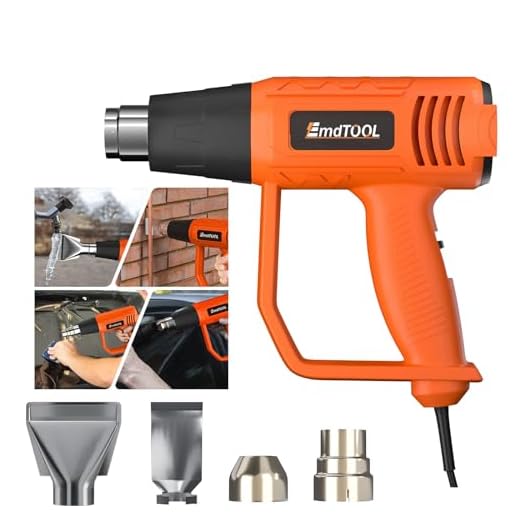
- Heat: Heat can be an effective way to soften tile adhesive. You can use a heat gun or a blow dryer on a high heat setting to warm up the adhesive. Be careful not to heat the adhesive too much, as it can damage the surface underneath.
- Vinegar: Vinegar is a natural solution that can help soften tile adhesive. Simply soak a cloth in vinegar and lay it over the adhesive for about 30 minutes. The acid in the vinegar will help break down the adhesive, making it easier to remove.
- Adhesive remover: If the adhesive is particularly stubborn, you may need to use a commercial adhesive remover. Follow the instructions on the product label, as different adhesive removers may have different application methods.
Note: It’s important to work in a well-ventilated area when using adhesive removers or any other chemicals.
Once you have softened the adhesive, you can move on to the next step: removing the adhesive from the surface. This will be covered in Step 3.



Meet Harrison Clayton, a distinguished author and home remodeling enthusiast whose expertise in the realm of renovation is second to none. With a passion for transforming houses into inviting homes, Harrison's writing at https://hutsrenovations.co.uk/ brings a breath of fresh inspiration to the world of home improvement. Whether you're looking to revamp a small corner of your abode or embark on a complete home transformation, Harrison's articles provide the essential expertise and creative flair to turn your visions into reality. So, dive into the captivating world of home remodeling with Harrison Clayton and unlock the full potential of your living space with every word he writes.