How to remove rust from radiator




Having a radiator that is affected by rust can not only compromise its efficiency and functionality but also lead to further damages and costly repairs. Rust can accumulate in your radiator over time, causing it to clog and reduce its ability to regulate the temperature of your vehicle’s engine. Fortunately, removing rust from the radiator is something you can tackle on your own with some simple tools and a step-by-step approach.
Step 1: Start by allowing your vehicle’s engine to cool down completely. It is important to avoid working on a hot radiator to prevent any potential injuries or accidents.
Step 2: Next, locate the drain valve at the bottom of the radiator. Place a drainage pan underneath to catch the coolant as it is drained. Open the drain valve and let all the coolant flow out.
Step 3: Once the coolant is drained, remove the radiator cap. This will help release any remaining trapped fluid in the system.
Step 4: Now, it’s time to tackle the rust. Prepare a mixture of equal parts white vinegar and distilled water. Pour this mixture into the radiator until it reaches the top.

Step 5: Put the radiator cap back on and turn on your vehicle’s engine. Let it run for about 15 minutes to allow the vinegar mixture to circulate throughout the radiator and break down the rust.
Step 6: After the engine has run for 15 minutes, turn it off and allow it to cool down. Then, carefully drain the vinegar mixture from the radiator.
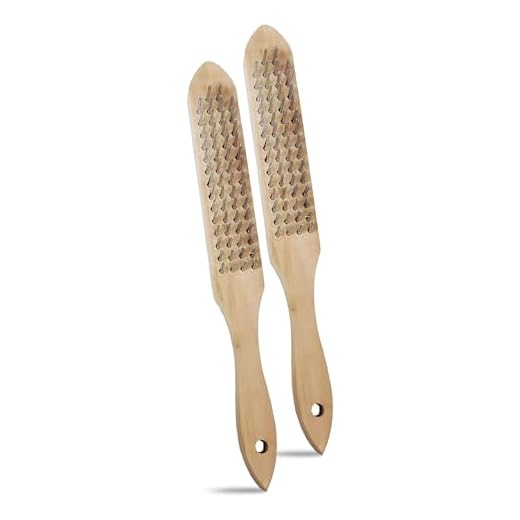
Step 7: To remove any remaining rust particles, take a stiff brush and scrub the interior of the radiator. Be sure to clean each cooling fin thoroughly to ensure all rust is removed.
Step 8: Finally, flush the radiator with clear water to remove any debris or leftover rust particles. Once the water runs clear, you can close the drain valve and refill the radiator with fresh coolant.
By following these steps, you can effectively remove rust from your radiator and restore its optimal functioning. Regular maintenance and cleaning of your radiator can help prevent future rust build-up and ensure the longevity of your vehicle’s cooling system.
What causes rust on radiators?
Rust on radiators is a common problem that can be caused by several factors. Understanding the underlying causes of rust can help to prevent its occurrence and prolong the lifespan of your radiator.
One of the main causes of rust on radiators is exposure to moisture. Radiators are usually filled with water and antifreeze, and over time, small leaks, condensation, or high humidity can cause moisture to come into contact with the metal surface. This exposure to moisture creates an ideal environment for rust formation.
Another factor that can contribute to the development of rust is the type of metal used in the radiator. Many older radiators are made from cast iron or steel, which are more susceptible to rust than modern aluminium radiators. The presence of oxygen in the air also accelerates the rusting process.
In addition, impurities in the water that flows through the radiator can play a role in rust formation. Hard water, which contains high levels of minerals like calcium and magnesium, can promote corrosion of the metal surface over time. Similarly, water with a high acidity level can corrode the radiator faster.
To prevent rust on radiators, it is important to address these potential causes. Regularly inspecting the radiator for leaks, keeping the area around the radiator dry, and ensuring proper ventilation can help minimize moisture exposure. Using a rust inhibitor treatment or installing a sacrificial anode can also provide protection against rust. Additionally, using water softeners or filtration systems can help to reduce the impurities in the water and prevent rust from forming.
Overall, by understanding the causes and taking proactive measures, it is possible to prevent rust formation and extend the lifespan of your radiator.
Tools and Materials Needed
To remove rust from your radiator, you will need a few basic tools and materials. Here is a list of what you will need:
1. Protective Gear
Before you start working on your radiator, it’s important to prioritize your safety. Be sure to wear protective gear such as gloves, goggles, and a mask.
2. Rust Remover Solution
There are numerous rust remover products available in the market. Look for ones that are specifically formulated for removing rust from metal surfaces. You can choose a liquid-based solution or a gel-based one, depending on your preference.
3. Brushes
You will need different types of brushes for this project. Make sure to have both wire brushes and nylon brushes. The wire brushes will help to scrape off the loose rust, while the nylon brushes are kinder to the radiator’s surface and can be used to scrub off any leftover rust or residue.
4. Sandpaper or Steel Wool
If your radiator has extensive rust, you may need to use sandpaper or steel wool to help remove it. These abrasive materials can help to sand down the rust and prepare the surface for further treatment.
5. Lubricant or Penetrating Oil
If your radiator’s bolts or screws are rusty, it may be necessary to use a lubricant or penetrating oil to help loosen them. These products can help to break up the rust and make it easier to remove the fasteners.
6. White Vinegar
Vinegar is known for its rust removal properties. You can use white vinegar as a natural alternative to chemical-based rust removers. It can help to dissolve rust and make the cleaning process easier.
7. Clean Cloth or Towels
You will need clean cloths or towels to wipe down the radiator and remove any residue left behind after the rust removal process.
Once you have gathered all the necessary tools and materials, you will be ready to tackle the rust on your radiator and restore its functionality.
Step-by-step guide to removing rust
Step 1: Gather necessary materials
Before you begin removing rust from your radiator, it’s important to gather all the necessary materials. You will need:
- A rust remover solution
- A scrub brush or steel wool
- A bucket
- Protective gloves
- A clean cloth
- Water
Step 2: Turn off the radiator
Ensure that the radiator is turned off and has cooled down completely before starting the rust removal process. This is crucial to ensure your safety during the cleaning process.
Step 3: Apply the rust remover solution
Put on protective gloves to protect your hands from the chemicals in the rust remover solution. Pour the rust remover into a bucket, following the instructions on the label. Use a clean cloth to apply the rust remover solution onto the rusted areas of the radiator.
Step 4: Let the rust remover sit
Allow the rust remover to sit on the rusted areas of the radiator for the recommended amount of time specified on the product label. This will give the solution enough time to dissolve the rust.
Step 5: Scrub away the rust
After the specified time has passed, use a scrub brush or steel wool to scrub away the rust from the radiator. Apply some pressure while scrubbing to effectively remove the rust. Be cautious not to scrub too hard in order to prevent damaging the radiator’s coating.

Step 6: Rinse off the rust remover
After you have successfully removed the rust, rinse off the rust remover solution from the radiator using clean water. Ensure that all traces of the rust remover are thoroughly rinsed off.
Step 7: Dry the radiator
Once the rinsing is complete, use a clean cloth to dry the radiator. Make sure the radiator is completely dry before turning it back on to prevent any damage or malfunction.
By following these step-by-step instructions, you will be able to effectively remove rust from your radiator, restoring its appearance and functionality.
Tips to prevent future rust
While removing rust from your radiator is important, it’s also wise to take precautions to prevent it from happening again in the future. Here are some tips to help you keep rust at bay:
1. Use coolant with rust inhibitors: When filling up your radiator with coolant, opt for one that contains rust inhibitors. These additives will help to prevent rust from forming inside your radiator and other cooling system components.
2. Regularly flush your cooling system: Over time, coolant can become contaminated and lose its effectiveness. Regularly flushing your cooling system, according to your vehicle’s maintenance schedule, will help to remove any contaminants and prevent rust buildup.
3. Check for leaks: Regularly inspect your radiator and cooling system for any signs of leaks. Leaking coolant can lead to rust formation, so it’s important to address any leaks promptly.
4. Keep your radiator clean: Dirt, debris, and road grime can accumulate on the surface of your radiator, creating a barrier that traps moisture and promotes rust. Regularly clean the exterior of your radiator to prevent this buildup.
5. Avoid using tap water: Tap water often contains minerals and impurities that can contribute to rust formation. Instead, use distilled or demineralized water when topping up your coolant to reduce the risk of rust.
6. Store your vehicle in a dry area: If possible, park your vehicle in a covered or enclosed area to prevent exposure to moisture and the elements. This will help to reduce the likelihood of rust forming on your radiator.
By following these tips, you can help to prevent future rust and keep your radiator and cooling system in optimal condition.


Meet Harrison Clayton, a distinguished author and home remodeling enthusiast whose expertise in the realm of renovation is second to none. With a passion for transforming houses into inviting homes, Harrison's writing at https://hutsrenovations.co.uk/ brings a breath of fresh inspiration to the world of home improvement. Whether you're looking to revamp a small corner of your abode or embark on a complete home transformation, Harrison's articles provide the essential expertise and creative flair to turn your visions into reality. So, dive into the captivating world of home remodeling with Harrison Clayton and unlock the full potential of your living space with every word he writes.