
How to seal air dry clay


If you enjoy working with air dry clay, you know that it can be a versatile medium for all sorts of artistic creations. From sculptures to jewelry, air dry clay offers endless possibilities. However, after you finish sculpting or molding your piece, it’s important to seal it properly to protect it from moisture and damage. In this article, we will explore different methods for sealing air dry clay and provide some useful tips to help you achieve successful results.
1. Sanding: Before sealing your air dry clay creation, make sure to sand any rough edges or imperfections.
Use fine-grit sandpaper to gently smooth the surface, removing any bumps or lumps. This will create a smooth and polished finish for your clay piece.
2. Primer: Once you have sanded your air dry clay piece, it’s time to apply a primer. A primer will help the sealant adhere better to the clay and provide a better barrier against moisture.
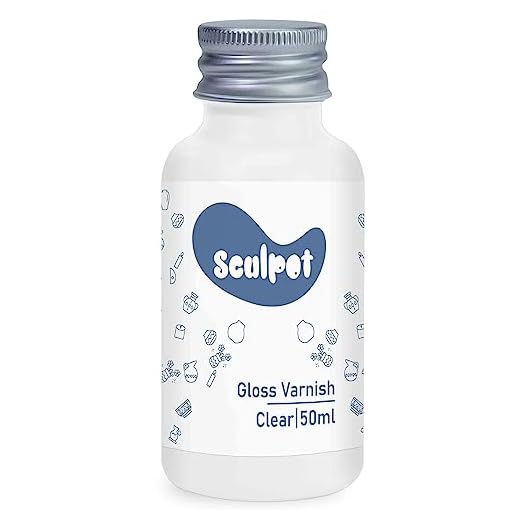
Choose a primer specifically designed for air dry clay or use a multi-purpose primer that works on various surfaces. Apply a thin, even coat and allow it to dry completely before moving on to the next step.
3. Sealant: The final step in sealing air dry clay is applying a sealant. There are several options available, including clear acrylic sealer, varnish, or polyurethane. Each type of sealant has its own advantages, so choose the one that suits your project best.
Apply the sealant using a brush or sponge, making sure to cover the entire surface of your clay piece. Be gentle and avoid over saturating the clay, as it can lead to warping or cracking. Allow the first coat to dry completely, then apply additional coats if needed, following the manufacturer’s instructions.
By following these steps and taking the time to properly seal your air dry clay creations, you can preserve their integrity and ensure they last for years to come. Whether you’re a beginner or an experienced artist, sealing your clay pieces will add an extra layer of protection and enhance their overall appearance.
Sealing air dry clay: A Step-by-Step Guide
Air dry clay is a great medium for all kinds of art and craft projects. However, without proper sealing, it can easily get damaged or broken. In this step-by-step guide, we will show you how to seal your air dry clay creations, so they can last for a long time.
Step 1: Allow the clay to dry completely
Before you can start sealing your air dry clay, you need to ensure that it is completely dry. Depending on the thickness of your clay creation, it may take anywhere from a few hours to a few days for it to fully air dry. Avoid sealing the clay before it is dry, as this can lead to trapping moisture, causing the clay to crack or develop mold.
Step 2: Sand the surface
After the clay has dried, use a fine-grit sandpaper to gently sand the surface. This step helps to smooth out any imperfections or roughness in the clay. Wipe away any dust or debris with a clean, dry cloth before proceeding.
Step 3: Apply a primer
To ensure good adhesion and a smooth finish, apply a primer to the surface of the clay. Use a brush or sponge to evenly coat the entire piece. Let it dry according to the instructions on the primer packaging.
Step 4: Seal with varnish or polyurethane
Once the primer is completely dry, it’s time to seal the clay. Apply a thin layer of varnish or polyurethane over the entire surface using a brush or sponge. Make sure to cover all areas, including the sides and back. Wait for the first coat to dry completely before applying additional coats, if desired. Multiple coats help to enhance the durability and shine of the finish.
Step 5: Curing time
After applying the final coat of varnish or polyurethane, the clay needs time to cure and harden. Follow the manufacturer’s instructions for the recommended curing time. During this time, avoid touching or moving the clay to prevent any damage to the seal.
Step 6: Enjoy your sealed air dry clay creation
Once the clay has fully cured, it is ready to be displayed or used in your desired way. The seal will provide protection and durability, allowing your creation to withstand regular handling or display.
Note: Keep in mind that sealing air dry clay makes it water-resistant, but not waterproof. It is still best to keep your sealed clay creations away from prolonged exposure to water or moisture.
By following these simple steps, you can effectively seal your air dry clay creations and keep them looking beautiful and intact for years to come!
Preparing the Surface
Before sealing your air dry clay project, it’s important to prepare the surface to ensure proper adhesion and a smooth, finished appearance. Here are some steps to follow:
1. Sand the Surface
Start by gently sanding the surface of your air dry clay project using fine-grit sandpaper. This will help to remove any rough spots or imperfections, resulting in a smoother surface for sealing.
2. Remove Dust
After sanding, use a soft, clean cloth to carefully remove any dust or debris from the surface of the clay. This will ensure that the sealing agent can adhere properly to the clay.
3. Clean with Water
Using a damp cloth, lightly moisten the surface of the clay. This will help to remove any remaining dust or residue. Make sure to wring out the cloth thoroughly, as excessive moisture could negatively affect the clay.
4. Let it Dry
Allow the clay to air dry completely before applying the sealing agent. This will ensure that the surface is clean and dry, providing optimal conditions for sealing.
By properly preparing the surface of your air dry clay project before sealing, you’ll help to ensure a professional, long-lasting finish.

Best Bahco Tenon Saw


Meet Harrison Clayton, a distinguished author and home remodeling enthusiast whose expertise in the realm of renovation is second to none. With a passion for transforming houses into inviting homes, Harrison's writing at https://hutsrenovations.co.uk/ brings a breath of fresh inspiration to the world of home improvement. Whether you're looking to revamp a small corner of your abode or embark on a complete home transformation, Harrison's articles provide the essential expertise and creative flair to turn your visions into reality. So, dive into the captivating world of home remodeling with Harrison Clayton and unlock the full potential of your living space with every word he writes.