
Best Box Section Thickness For Beginner Welder




When it comes to welding, one of the most important factors to consider is the thickness of the materials being worked with. For beginner welders, it can be especially challenging to determine the appropriate box section thickness to work with. Choosing the wrong thickness can result in weak and unreliable welds, or even damage to the welding equipment.
Generally, the ideal box section thickness for beginner welders would be around 3mm-6mm. This thickness provides a good balance between ease of welding and structural integrity. Thinner materials can be more difficult to weld without causing warping or burn-through, while thicker materials may require higher welding amperage and more advanced techniques.
It is worth noting that the specific box section thickness needed may vary depending on the type of welding being done. For example, TIG welding typically requires thinner materials, while MIG welding can handle slightly thicker sections. Additionally, the intended use of the welded structure should also be taken into consideration, as heavier loads may require thicker box sections for added strength.
Overall, beginner welders should start with box section thicknesses within the recommended range and gradually gain experience and skill before attempting to work with thinner or thicker materials. It is also essential to follow proper welding techniques, use the right equipment, and seek guidance from experienced welders or instructors to ensure safe and successful welds.
Why Box Section Thickness Matters for Beginner Welders
As a beginner welder, the box section thickness is an important factor to consider when choosing materials for your welding projects. The thickness of the box section can significantly impact the welding process and the quality of your welds. It is crucial to understand why box section thickness matters and how it can affect your welding results.
Firstly, the box section thickness determines the level of difficulty in welding. Thicker box sections require more heat and welding passes to achieve proper fusion and penetration. This means that as a beginner welder, you may find it more challenging to weld thicker box sections compared to thinner ones. Starting with thinner box sections can help you build your skills and confidence before moving on to thicker materials.
Furthermore, box section thickness affects the stability and strength of the welded joints. Thicker box sections provide more structural stability and strength, making them suitable for heavy-duty applications. However, welding thicker box sections requires advanced welding techniques and equipment to ensure strong and durable welds. Starting with thinner box sections allows you to practice and master the necessary welding skills before working with thicker materials.
Overall, understanding the impact of box section thickness on welding is essential for beginners. Starting with thinner box sections allows you to develop your welding skills and gain confidence before progressing to thicker materials. It is important to choose the right box section thickness that matches your skill level and the intended purpose of your welding projects.
Factors to Consider When Choosing Box Section Thickness
When it comes to choosing the right box section thickness for your welding projects, there are several important factors that you need to take into consideration. The thickness of the box section can greatly impact the strength, durability, and overall performance of the finished product. Here are some key factors to keep in mind:
1. Load-bearing capacity: One of the most crucial factors to consider is the load-bearing capacity of the box section. You need to assess the maximum weight and pressure that the welded structure will have to withstand. This will help determine the appropriate thickness to ensure the structural integrity and safety of the project.
2. Material compatibility: Different materials have varying strengths and properties, and this can affect the ideal thickness for the box section. Factors such as the type of metal, its tensile strength, and its ability to withstand deformation or corrosion should be taken into account when choosing the thickness. Consulting with an experienced welder or engineer can provide valuable insight into the specific material requirements.
3. Welding techniques: The chosen welding technique also plays a role in determining the optimal box section thickness. Some welding methods, such as TIG welding, require precise control and may be more suitable for thinner materials. On the other hand, thicker box sections may be needed for processes like MIG welding, which involve higher heat and deeper penetration.
4. Cost and time considerations: The box section thickness can also impact the overall cost and time of the welding project. Thicker sections may require more material, leading to higher expenses. Additionally, working with thicker materials can be more time-consuming due to the increased welding and preparation required.
By considering these factors, you can make an informed decision about the box section thickness that best suits your welding needs. Remember to consult with professionals and conduct thorough testing to ensure the safety and quality of your welded structures.
Recommended Box Section Thickness for Beginner Welders
When it comes to welding, beginners often face the challenge of selecting the right materials to work with. One important factor to consider is the thickness of the box section. Here, we will discuss the recommended box section thickness for beginner welders to help them make informed decisions.
When starting out as a welder, it is advisable to work with relatively thin box sections, typically ranging from 1.6mm to 3mm in thickness. Welding thinner materials allows beginners to hone their skills and gain confidence in their ability to create strong and durable welds. Thinner box sections also require less heat input and result in less distortion during the welding process. This allows beginners to focus on their technique and produce clean welds.
As beginner welders gain more experience and proficiency, they can gradually move on to thicker box sections. Thicker materials, ranging from 4mm to 6mm in thickness, present different challenges and require more advanced welding techniques. Working with thicker box sections requires more heat input and careful control to avoid distortion and achieve proper penetration. It is advisable for beginner welders to gradually increase the thickness of materials they work with as they become more comfortable and proficient in their welding skills.
In conclusion, the recommended box section thickness for beginner welders is typically between 1.6mm and 3mm. Starting with thinner materials allows beginners to practice and develop their welding skills while minimizing the challenges of distortion and heat control. As their skills progress, they can gradually move on to thicker box sections and explore more advanced welding techniques.
Tips for Welding Different Box Section Thicknesses
Welding different box section thicknesses can be challenging for beginner welders. However, with the right techniques and precautions, it is possible to achieve strong and reliable welds. Here are some tips to help you weld different box section thicknesses:
1. Choose the Right Welding Technique
Depending on the thickness of the box section, you may need to use different welding techniques. For thinner sections, TIG welding or MIG welding with a lower amperage setting can be effective. For thicker sections, stick welding or MIG welding with a higher amperage setting may be necessary. It is important to choose the appropriate welding technique to ensure proper penetration and fusion.
2. Prep and Fit the Joint Properly
Before welding, make sure to clean the joint surfaces thoroughly to remove any dirt, rust, or paint. This will help ensure a clean and proper weld. Additionally, proper fit-up of the joint is crucial. Make sure the sections are aligned and tightly fitted before welding. This will help minimize distortion and improve weld quality.
3. Control Heat Input
Controlling heat input is essential when welding different box section thicknesses. Excessive heat can lead to distortion, warping, and even burn-through, while insufficient heat may result in weak or incomplete welds. It is important to maintain a steady and appropriate heat input throughout the welding process. Monitor your welding parameters and adjust them as needed to achieve the desired results.
4. Use the Correct Electrode or Filler Metal
Choosing the correct electrode or filler metal is crucial for welding different thicknesses of box sections. The material composition and diameter of the filler metal should be compatible with the base metal and suitable for the thickness being welded. Consult the welding procedure specification (WPS) or seek guidance from experienced welders or welding engineers to select the appropriate electrode or filler metal.
5. Practice and Seek Professional Guidance
When it comes to welding, practice makes perfect. As a beginner welder, it is important to gain hands-on experience and practice welding various thicknesses of box sections. Additionally, seeking guidance from professional welders or attending welding courses can provide valuable insights and tips specific to your welding needs.
By following these tips and practicing regularly, you can build your skills and confidence in welding different box section thicknesses. Remember to prioritize safety, follow proper welding procedures, and always wear appropriate personal protective equipment (PPE) during welding operations.
10 Best Box Section Thickness For Beginner Welder
K I Metals Mild Steel Box Section
Features
| Color | Silver |
| Size | 1M |
Yidueace Wire Welding Thickness Gauge
Features
| Part Number | XVGWTQIUVV7Q175CVBA |
| Model | XVGWTQIUVV7Q175CVBA |
| Color | single attribute |
| Size | Refer to description |
| Language | English |
Double-Sided Wire Gauge Tool
Features
| Part Number | RPGOI7TM5H0N01F7K1G |
| Model | RPGOI7TM5H0N01F7K1G |
| Color | single attribute |
| Size | Refer to description |
| Language | English |
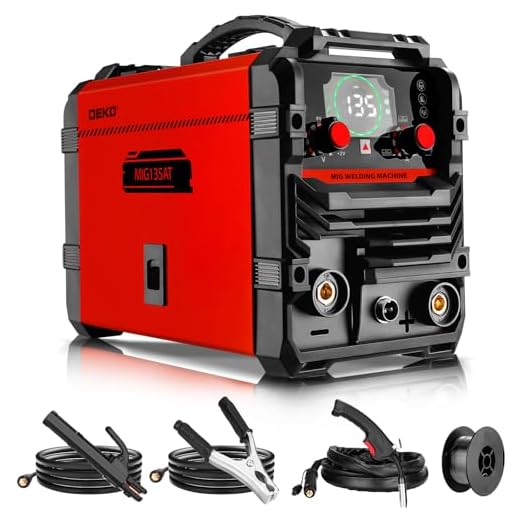
DEKO 135Amp MIG Welder
Features
| Size | 135A-MIG |
Getdoublerich Stainless Steel Electrodes
Features
| Part Number | I4MWJ6K8066G86B232162P725QX4FP |
| Model | I4MWJ6K8066G86B232162P725QX4FP |
| Color | As Picture Show |
| Size | 1.6mm |
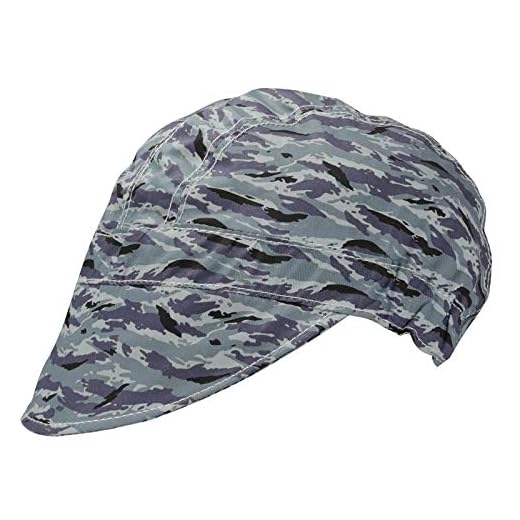
RIVERWELD Comfortable Welding Cap
Features
| Part Number | Pure Cotton Mesh Inside Liner |
| Model | Pure Cotton Mesh Inside Liner |
| Warranty | No. |
| Color | Gray |
| Size | one size |
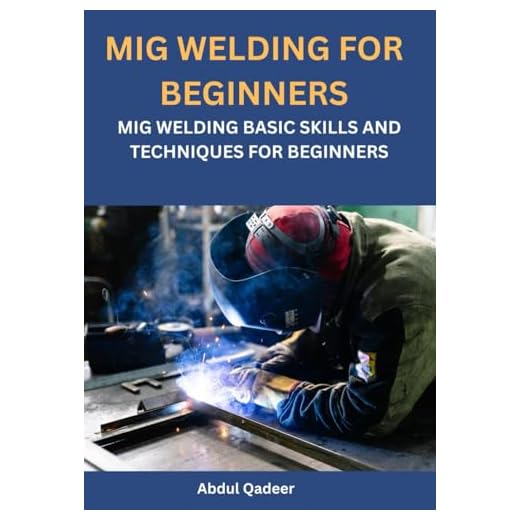
MIG Welding for Beginners Guide
Features
| Is Adult Product | |
| Release Date | 2024-07-26T00:00:01Z |
| Language | English |
| Number Of Pages | 51 |
| Publication Date | 2024-07-26T00:00:01Z |
FAQ:
What are some tips for welding different box section thicknesses?
When welding different box section thicknesses, it is important to use the appropriate welding technique and equipment. One tip is to adjust the welding parameters such as voltage and wire speed to match the thickness of the thinnest section being welded. Another tip is to use a smaller electrode or filler wire size for thinner sections, and a larger size for thicker sections. It is also important to properly prep and clean the surfaces to be welded, and to make sure they are aligned and clamped securely before welding. Additionally, using a preheating technique for thicker sections can help reduce thermal stress and distortion.
What are some common challenges when welding different box section thicknesses?
Some common challenges when welding different box section thicknesses include the potential for burn-through or lack of penetration in thin sections, and the difficulty in achieving proper fusion in thicker sections. Overheating the thinner section can result in distortion or even holes, while underheating the thicker section can result in a weak or incomplete weld. Another challenge is maintaining a consistent travel speed and technique throughout the weld joint, especially when transitioning from thin to thick sections. It is also important to be mindful of the potential for different rates of expansion and contraction in the different sections, which can cause distortion or warping.
What are some precautions to take when welding different box section thicknesses?
When welding different box section thicknesses, it is important to take certain precautions to ensure a successful weld. One precaution is to thoroughly clean and prepare the surfaces to be welded, removing any coatings, oils, or other contaminants. It is also important to ensure proper fit-up and alignment of the sections, using clamps or fixtures if necessary. Another precaution is to use the correct welding technique and equipment for the job, making adjustments to the welding parameters as needed for the different thicknesses. Additionally, it is important to monitor the welding process closely, checking for proper penetration and avoiding overheating or underheating the sections. Lastly, taking the time to properly cool the welded sections and relieve any built-up stresses can help prevent distortion or cracking.
Conclusion
In conclusion, welding different box section thicknesses requires careful consideration and proper technique. It is important to understand the differences in heat conductivity and penetration between different thicknesses. The use of preheating and selecting the right filler metal can help achieve a successful weld, ensuring structural integrity and strength. Additionally, maintaining proper welder settings, such as voltage and amperage, and using appropriate techniques for each thickness can greatly improve the welding process. Overall, with the right knowledge and precautions, welding different box section thicknesses can be accomplished effectively and efficiently.


Meet Harrison Clayton, a distinguished author and home remodeling enthusiast whose expertise in the realm of renovation is second to none. With a passion for transforming houses into inviting homes, Harrison's writing at https://hutsrenovations.co.uk/ brings a breath of fresh inspiration to the world of home improvement. Whether you're looking to revamp a small corner of your abode or embark on a complete home transformation, Harrison's articles provide the essential expertise and creative flair to turn your visions into reality. So, dive into the captivating world of home remodeling with Harrison Clayton and unlock the full potential of your living space with every word he writes.


