
Do You Need Gas For A Tig Welder


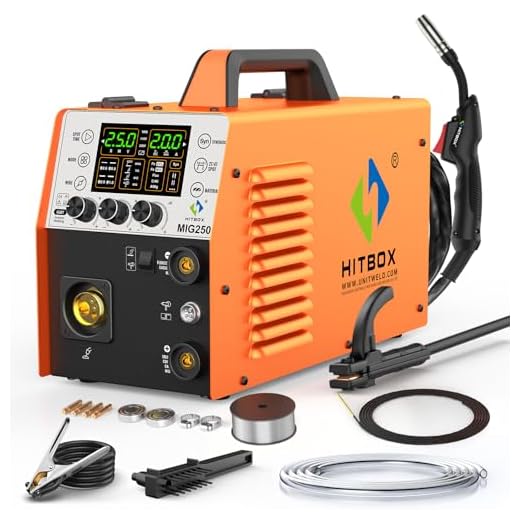
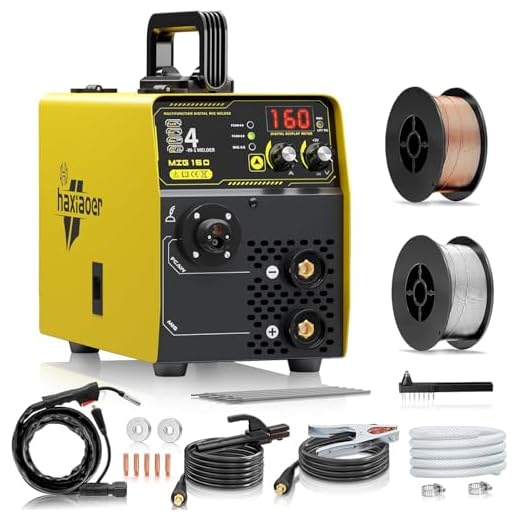
Tungsten Inert Gas (TIG) welding is a popular welding process known for its precision and clean welds. One common question that arises when considering TIG welding is whether or not gas is required. The short answer is yes, gas is necessary for TIG welding, and it plays a crucial role in the process.
Unlike other welding methods, TIG welding uses a non-consumable tungsten electrode to create the arc that melts the base metal and forms the weld. To protect the hot welding area from oxidation, a shielding gas is used. This gas, usually argon or a mixture of argon and helium, creates a protective atmosphere around the weld, preventing contaminants from entering and causing defects.
The use of gas in TIG welding helps to ensure a clean and durable weld. Without the shielding gas, the weld would be exposed to air, resulting in oxidation, porosity, and other imperfections. The gas also controls the heat in the welding area, preventing the metal from overheating and distorting, which is especially important when working with thin materials.
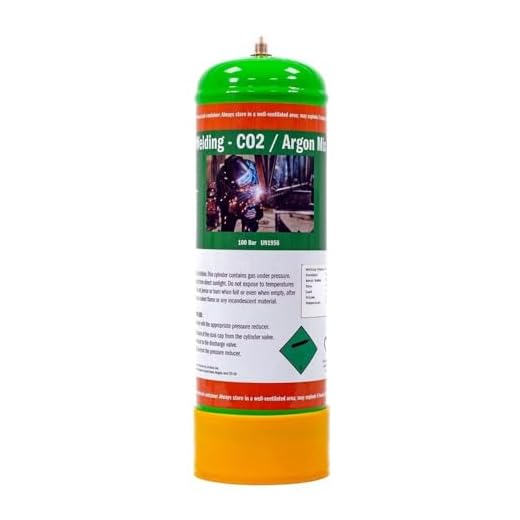
In conclusion, gas is an essential component of TIG welding. It provides the necessary protection and control to produce high-quality, precise welds. Whether you are a professional welder or a DIY enthusiast, understanding the importance of gas in TIG welding will help you achieve better results and ensure the longevity of your welds.
Why Gas is Essential for Tig Welding
Tig welding, also known as gas tungsten arc welding (GTAW), is a precise and versatile welding process that requires the use of a shielding gas. This gas is essential for several reasons.
1. Protects the Weld
The primary role of the shielding gas is to protect the weld from atmospheric contaminants. When the weld is exposed to the air, it can react with oxygen and nitrogen, leading to oxidation and contamination. This can weaken the weld and compromise its integrity. By using a shielding gas, such as argon, the weld is shielded from the air, ensuring a clean and strong weld.
2. Controls Heat
The shielding gas also helps to control the heat during the welding process. It acts as a coolant, reducing the temperature around the weld and preventing overheating. This is crucial, especially when working with thin and delicate materials that are prone to warping or forming cracks due to excessive heat. The shielding gas creates a controlled environment that allows for precise and accurate welding.
Furthermore, the use of a shielding gas enables the welder to create a stable and concentrated arc. This ensures better control over the welding process, resulting in a higher quality weld.
In conclusion, gas is essential for tig welding due to its role in protecting the weld from contaminants and controlling the heat. Its use allows for clean, strong, and precise welds, making it an indispensable component of the tig welding process.
Types of Gases Used in Tig Welding
Tig welding, also known as gas tungsten arc welding (GTAW), requires the use of a shielding gas to protect the weld from contamination and to stabilize the arc. There are several types of gases commonly used in Tig welding, each with its own specific purpose and characteristics.
1. Argon: Argon is the most commonly used gas in Tig welding. It is an inert gas, meaning it does not react with other materials, making it ideal for preventing oxidation and producing clean welds. Argon also has good arc stability and helps to achieve deep penetration and high-quality welds.
2. Helium: Helium is another gas commonly used in Tig welding. It is less dense than argon, which means it can provide greater heat input and penetration. Helium also offers excellent arc initiation, making it particularly useful for welding thick materials and producing fast, efficient welds.
3. Argon-Helium Mixtures: Combining argon and helium can offer the benefits of both gases. By adjusting the mixture ratio, welders can fine-tune the heat input, penetration, and arc stability to meet specific welding requirements. Argon-helium mixtures are often used for welding aluminum and other non-ferrous metals.
4. Argon-Carbon Dioxide Mixtures: Mixing argon and carbon dioxide produces a shielding gas that offers good arc stability and helps to improve productivity. Argon-carbon dioxide mixtures are commonly used for welding mild and low-alloy steels.
5. Argon-Hydrogen Mixtures: Mixing argon with hydrogen can increase heat input and improve arc stability. Argon-hydrogen mixtures are often used for welding stainless steel and other high-alloy materials.
It is important to select the appropriate gas for your specific welding application to achieve the desired results. Welders should consider factors such as the type of metal being welded, the thickness of the material, and the desired welding characteristics when choosing a shielding gas for Tig welding.
Benefits of Using Gas in Tig Welding
Tig welding, also known as Gas Tungsten Arc Welding (GTAW), is a versatile and precise welding process that uses an electric arc between a non-consumable tungsten electrode and the workpiece to create high-quality welds. One crucial component in tig welding is the use of gas, such as argon or helium, to shield the weld and prevent contamination. Here are some of the benefits of using gas in tig welding:
| 1. Improved Weld Quality | Using gas as a shielding agent in tig welding helps to create clean and strong welds. The gas creates a protective atmosphere around the weld, preventing the molten metal from reacting with the surrounding air and causing defects. This results in high-quality welds with minimal porosity, cracking, or oxidation. |
| 2. Better Control over Heat | Gas shielding in tig welding allows for better control over the welding process, especially the heat input. The gas helps to stabilize the arc, ensuring a consistent and precise thermal distribution. This control over heat input is crucial when welding thin materials or performing intricate welds, as it helps prevent distortion, burn-through, or warpage. |
| 3. Versatility | The use of gas in tig welding offers versatility in terms of welding different materials. By selecting the appropriate gas, welders can optimize the welding process for various metals, including stainless steel, aluminum, copper, and titanium. The gas also provides flexibility in adjusting the weld characteristics, such as penetration depth and bead appearance. |
| 4. Reduced Post-Weld Cleaning | Another advantage of gas shielding in tig welding is the reduced need for post-weld cleaning. The gas shield prevents the formation of unwanted oxides or other contaminants, minimizing the need for extensive cleaning, grinding, or surface refinishing after welding. This saves time and effort, particularly when working on projects with strict cosmetic requirements. |
| 5. Safety | Gas shielding in tig welding not only protects the weld but also provides a safer working environment. The inert gases used, such as argon, are non-toxic and non-flammable, ensuring minimal health risks to the welder. Additionally, the gas shield helps to contain the welding fumes and reduces the exposure to harmful airborne contaminants. |
In conclusion, using gas in tig welding offers various benefits, including improved weld quality, better control over heat, versatility in materials, reduced post-weld cleaning, and enhanced safety. When performing tig welding, it is essential to choose the appropriate gas and ensure proper gas flow and shielding to achieve optimal results.
Questions and answers
What is a TIG welder?
A TIG welder is a type of welding machine that uses high-frequency electricity to create an arc between a tungsten electrode and the workpiece. The welding process is performed using a non-consumable electrode, which makes it suitable for welding various metals.
Do you need gas for a TIG welder?
Yes, a TIG welder requires a shielding gas in order to protect the weld pool from atmospheric contamination. Typically, a mixture of argon and helium gases is used as a shielding gas for TIG welding.
What happens if you don’t use gas with a TIG welder?
If a TIG welder is used without gas, the weld pool is exposed to the surrounding air, which can lead to oxidation and contamination of the weld. This can result in weak and brittle welds with poor quality and appearance.
Can you use a TIG welder without gas?
No, it is not recommended to use a TIG welder without gas. The shielding gas is an essential component of the TIG welding process and is necessary to ensure a clean and strong weld. Without gas, the weld quality will be compromised.


Meet Harrison Clayton, a distinguished author and home remodeling enthusiast whose expertise in the realm of renovation is second to none. With a passion for transforming houses into inviting homes, Harrison's writing at https://hutsrenovations.co.uk/ brings a breath of fresh inspiration to the world of home improvement. Whether you're looking to revamp a small corner of your abode or embark on a complete home transformation, Harrison's articles provide the essential expertise and creative flair to turn your visions into reality. So, dive into the captivating world of home remodeling with Harrison Clayton and unlock the full potential of your living space with every word he writes.


