
How To Build A Bridge Rectifier For An Ac Welder



If you’re looking to build an AC welder, one of the key components you’ll need is a bridge rectifier. The bridge rectifier is responsible for converting the alternating current (AC) from your power source into direct current (DC) that can be used to power the welding machine.
A bridge rectifier is made up of four diodes arranged in a bridge configuration, hence the name. These diodes act as one-way valves for the current, allowing it to flow in only one direction. This is important because the AC current oscillates between positive and negative values, but the DC current needed for welding flows in only one direction.
Building a bridge rectifier for an AC welder is relatively straightforward. Start by selecting four diodes that can handle the current and voltage requirements of your welding machine. It’s important to choose diodes with a high voltage rating, as welding machines often require high voltages to generate the necessary heat.
Once you have your diodes, you’ll need to connect them in a bridge configuration. Connect the anode of one diode to the cathode of another diode, and repeat this process for the remaining two diodes. The remaining two anodes and cathodes should be your input and output terminals, respectively. You may want to use alligator clips or terminal blocks to make these connections more secure.

With the diodes connected in a bridge configuration, you can now connect the input terminals to your AC power source and the output terminals to your welding machine. Make sure to double-check all connections and ensure that everything is properly insulated to avoid any short circuits or electrical hazards.
Building a bridge rectifier for an AC welder is an important step in creating your own welding machine. With a bridge rectifier in place, you’ll be able to convert the alternating current from your power source into the direct current needed for welding. So gather your materials, follow these steps, and soon you’ll have a functional AC welder of your own making!
What Is a Bridge Rectifier?
A bridge rectifier is an electrical device used to convert alternating current (AC) into direct current (DC). It is commonly used in power supplies, welding machines, and other systems that require DC voltage.
The bridge rectifier consists of four diodes that are arranged in a bridge configuration. Each diode acts as a switch, allowing current to flow in only one direction. The diodes are connected in such a way that two diodes conduct during the positive half-cycle of the AC input voltage, and the other two diodes conduct during the negative half-cycle.
When the AC input voltage is positive, the upper diodes conduct and the lower diodes are reverse-biased, allowing current to flow through the load in one direction. When the AC input voltage is negative, the lower diodes conduct and the upper diodes are reverse-biased, allowing current to flow through the load in the opposite direction.
By using a bridge rectifier, the AC voltage waveform is effectively converted into a pulsating DC voltage waveform. To obtain smoother and more stable DC voltage, a filter capacitor is typically connected across the output of the bridge rectifier to reduce the ripple voltage.
| AC | Bridge Rectifier | DC |
|---|---|---|
| + – + – + – + – | / / / / | + |
In summary, a bridge rectifier is a crucial component for converting AC voltage to DC voltage. By using diodes arranged in a bridge configuration, it allows for the continuous flow of current in a single direction, resulting in a rectified DC output. This rectified DC voltage can then be used to power various electronic devices and systems.
Components Needed
To build a bridge rectifier for an AC welder, you will need the following components:
1. Diodes: Diodes are essential for rectifying the alternating current (AC) to direct current (DC). You will need four diodes in total to construct a full-wave bridge rectifier.
2. Transformer: A transformer is required to step down the high voltage AC input to a lower voltage suitable for welding. Choose a transformer with the appropriate voltage rating for your specific welding needs.
3. Capacitor: A capacitor is used to smoothen the rectified DC output and reduce any ripple voltage. Select a capacitor with appropriate capacitance and voltage ratings for your application.
4. Heat sink: Since the diodes might generate heat during operation, it is important to use a heat sink to dissipate this heat and prevent overheating. Choose a heat sink that matches the power rating and size of the diodes.
5. Electrical wiring: You will need wires to connect the various components together. Make sure to use wires with appropriate gauges for the current carrying capacity required by your welder.
6. Enclosure: An enclosure is recommended to house the bridge rectifier and provide protection from dust, moisture, and accidental contact with live electrical components.
7. Safety devices: It is crucial to include safety devices such as fuses and circuit breakers to protect against electrical faults and overcurrent situations.
Ensure that you choose components with suitable specifications and ratings to ensure the safe and efficient operation of your AC welder.
List of Materials Required to Build a Bridge Rectifier
Building a bridge rectifier for an AC welder requires several essential materials. Here is a comprehensive list:
- Diodes (such as 1N4007 or 1N5408)
- Transformer
- Capacitors (rated for the required voltage and current)
- Heat sink
- Rectifier circuit board
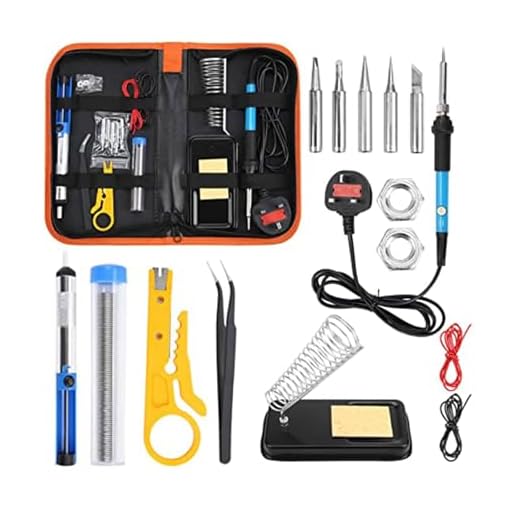
- Soldering iron and solder
- Wire cutters
- Wire strippers
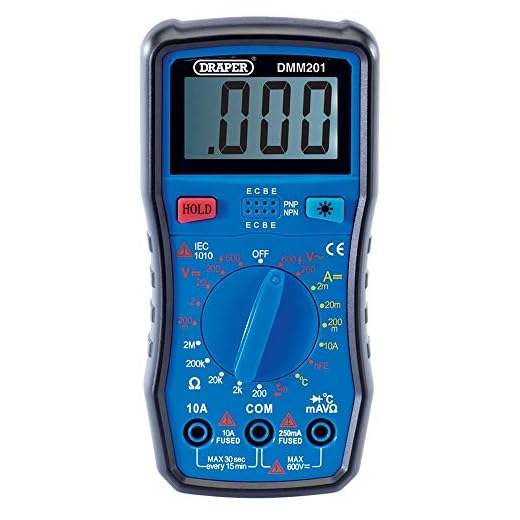
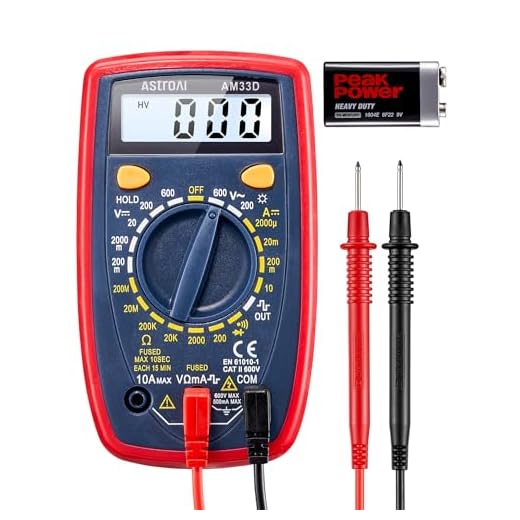
- Multimeter
- Insulating materials (such as heat shrink tubing or electrical tape)
- Mounting hardware (screws, nuts, and bolts)
- Electrical enclosure
- Power supply
It is important to note that the specific materials required may vary depending on the specifications of the AC welder and the desired output. It is recommended to consult the welder’s manual or seek professional advice to ensure the correct selection and compatibility of the materials.
Step-by-Step Guide
Building a bridge rectifier for an AC welder may seem like a daunting task, but with the right tools and instructions, it can be a straightforward process. Follow these steps to create your own bridge rectifier:
- Gather the necessary materials, including four diodes, a heat sink, wires, and a soldering iron.
- Cut the wires to the desired length and strip the insulation from the ends.
- Attach the diodes to the heat sink. Ensure that the diodes are securely fastened to the heat sink to prevent overheating during operation.
- Connect one end of the diodes to the AC input, and the other end of the diodes to the DC output. Use the soldering iron to make these connections.
- Once all connections are made, double-check for any loose or faulty connections. Ensure that all wires are securely soldered and insulated.
- Test the bridge rectifier by connecting it to an AC power source and measuring the output voltage with a multimeter. The output voltage should be a steady DC voltage.
- If the bridge rectifier is functioning properly, secure it in an appropriate housing or enclosure to protect it from dust and moisture.
With these steps, you can build your own bridge rectifier for an AC welder. Remember to exercise caution when working with electrical components and always follow safety guidelines.
Instructions on Building a Bridge Rectifier for an AC Welder
Building a bridge rectifier for an AC welder can be a simple and cost-effective solution to convert AC power into DC power. This conversion is essential for welding machines, as they require a steady and controlled DC power supply.
Here are the steps to build your own bridge rectifier:
Step 1: Gather the Required Components
Before you start building the bridge rectifier, make sure you have the following components:
- Four diodes (preferably high-current diodes)
- Heat sink
- Soldering iron and solder
- Wire cutters/strippers
- Multimeter
- Insulating materials (heat shrink tubing, electrical tape)
- Thermal paste (optional)
Step 2: Identify the Diode Terminals
Using a multimeter set to the diode function, identify the terminals of each diode. The diodes will have two leads: an anode and a cathode. The cathode is typically denoted by a stripe or line on the body of the diode.
Step 3: Mount the Diodes on the Heat Sink
With the help of a heat sink, mount the four diodes. Ensure that the diodes are evenly spaced and securely fastened to the heat sink. The heat sink will help dissipate the heat generated during welding.
Step 4: Connect the Diodes
Connect the diodes in a bridge configuration. The anode of one diode should be connected to the cathode of the adjacent diode. Repeat this process for all four diodes, forming a bridge-shaped circuit. Make sure to solder the connections properly for optimal conductivity.
Step 5: Insulate the Connections
Insulate the connections using heat shrink tubing or electrical tape. This will help protect the connections from accidental shorts and ensure safety during operation.
Step 6: Connect to the AC Welder
Connect the AC input terminals of the bridge rectifier to the output terminals of the AC welder. Ensure the connections are secure and use appropriate wiring techniques to prevent any damage or accidents.
Step 7: Test the Rectifier
Before using the AC welder, test the bridge rectifier using a multimeter. Measure the voltage output across the DC output terminals. Check for any discrepancies or abnormalities in the readings.
Step 8: Apply Thermal Paste (Optional)
If desired, apply a thin layer of thermal paste between the diodes and the heat sink. This will enhance heat transfer and improve the overall efficiency of the bridge rectifier.
Step 9: Finalize and Use
Once you have ensured the proper functioning of the bridge rectifier, finalize the setup. Secure all connections, double-check for any loose wires or components, and proceed to use your AC welder powered by the newly built bridge rectifier.
Following these step-by-step instructions will enable you to build a bridge rectifier for an AC welder, providing a reliable and stable DC power supply for your welding needs.
Testing and Troubleshooting
Once you have built your bridge rectifier for an AC welder, it is important to test and troubleshoot the circuit to ensure it is functioning correctly. Here are some steps you can take to test the circuit:
1. Visual Inspection
Start by visually inspecting the circuit for any obvious flaws or errors. Check for loose connections, damaged components, or incorrect wiring. Ensure that all components are securely soldered and properly connected.
2. Power Supply Test
Before connecting the circuit to the AC power supply, perform a power supply test. Use a multimeter to measure the voltage output of the power supply. Make sure the voltage matches the requirements of your welder. Additionally, check for any fluctuations or inconsistencies in the voltage output.
3. Bridge Rectifier Test
Once the power supply test is passed, move on to testing the bridge rectifier. Use a multimeter to measure the voltage output across the output terminals of the bridge rectifier. It should show a steady DC voltage. Check for any fluctuations or inconsistencies in the voltage output.
4. Welder Test
With the bridge rectifier connected to the AC welder, perform a test run to ensure everything is working properly. Test the welder by connecting it to a suitable load and applying a test welding current. Check for any abnormalities in the welder’s performance, such as insufficient welding current or irregular arc formation.
5. Troubleshooting
If any issues are encountered during the testing process, begin troubleshooting by inspecting the circuit for loose connections, damaged components, or incorrect wiring. Double-check that all components are correctly installed and that the wiring is accurate. Consult the circuit diagram and refer to any relevant documentation or manuals for troubleshooting guidance.
If the issue persists, consider seeking assistance from a professional or experienced individual in electronic circuitry or welding equipment. They can provide further guidance and expertise in diagnosing and resolving any issues with your bridge rectifier circuit.
| Issue | Possible Cause | Solution |
|---|---|---|
| No voltage output | Loose connection, faulty components | Check and tighten all connections, replace faulty components |
| Voltage fluctuations | Insufficient power supply, damaged rectifier | Ensure sufficient power supply, replace rectifier if necessary |
| Abnormal welder performance | Insufficient welding current, improper wiring | Adjust welding current, ensure proper wiring |
Questions and answers
What is a bridge rectifier?
A bridge rectifier is an electronic device that is used to convert an alternating current (AC) into a direct current (DC). It consists of four diodes connected in a specific configuration to allow the flow of current in only one direction.
Why do I need a bridge rectifier for an AC welder?
An AC welder requires a direct current (DC) to operate. The bridge rectifier is used to convert the alternating current (AC) from the power source into a direct current (DC) that can be used by the welder.
How can I build a bridge rectifier for an AC welder?
To build a bridge rectifier for an AC welder, you will need four diodes. Connect the cathode of one diode to the anode of the second diode, and connect the cathode of the second diode to the anode of the third diode. Finally, connect the cathode of the third diode to the anode of the fourth diode. The remaining cathode and anode terminals will be the output terminals of the bridge rectifier. Connect the AC input to the remaining two terminals of the diodes.
Can I buy a bridge rectifier for an AC welder instead of building one?
Yes, you can buy a pre-made bridge rectifier for an AC welder instead of building one yourself. These pre-made rectifiers are readily available in electronic stores or online. However, building your own bridge rectifier allows for customization and can be a cost-effective option.


Meet Harrison Clayton, a distinguished author and home remodeling enthusiast whose expertise in the realm of renovation is second to none. With a passion for transforming houses into inviting homes, Harrison's writing at https://hutsrenovations.co.uk/ brings a breath of fresh inspiration to the world of home improvement. Whether you're looking to revamp a small corner of your abode or embark on a complete home transformation, Harrison's articles provide the essential expertise and creative flair to turn your visions into reality. So, dive into the captivating world of home remodeling with Harrison Clayton and unlock the full potential of your living space with every word he writes.


