
How To Weld With A Lincoln Wire Feed Welder




Welding is a fascinating skill that allows you to join metal pieces together with precision and strength. If you’re starting your welding journey or looking to upgrade your equipment, a Lincoln wire feed welder is an excellent choice. Known for their reliability and performance, a Lincoln wire feed welder is the perfect tool for both beginners and experienced welders.
Before you start welding with a Lincoln wire feed welder, it’s essential to understand the basics of wire feed welding. This type of welding uses a continuously fed wire electrode, which melts into the joint, creating a strong bond. The wire is fed through a gun or torch, and the heat necessary for melting the wire is generated by an electric arc.
When using a Lincoln wire feed welder, there are a few key steps to follow. First, make sure you have the appropriate safety gear, including gloves, a welding helmet, and protective clothing. Safety should always be your top priority when working with any welding equipment.
Next, prepare the metal pieces that you’ll be welding together. It’s crucial to clean the surfaces to remove any dirt, rust, or paint. This ensures a clean welding surface and promotes a stronger weld. Once the pieces are clean, position them in the desired alignment and secure them with clamps or magnets.
Now it’s time to set up your Lincoln wire feed welder. Depending on the specific model you’re using, consult the user manual to adjust the welding parameters. These parameters include wire feed speed and voltage, which can vary depending on the type of metal and welding technique you’ll be using. Make sure to set the machine to the appropriate settings for your project.
What is a Lincoln Wire Feed Welder
A Lincoln wire feed welder is a type of welding machine that uses a continuous electrode wire to create a weld. It is manufactured by The Lincoln Electric Company, a well-known manufacturer of welding equipment.
The wire feed welder is a versatile tool that can be used for a variety of welding applications, including automotive repairs, construction projects, and metal fabrication. It is popular among both professionals and hobbyists due to its ease of use and efficiency.
The Lincoln wire feed welder operates by feeding a spool of welding wire through a gun or torch and directly into the weld. As the wire is fed, it is automatically energized by the welding machine, creating an electric arc between the wire and the workpiece. This arc melts the wire and the workpiece, creating a molten pool that solidifies to form a weld joint.
One of the advantages of using a Lincoln wire feed welder is its ability to weld quickly and efficiently. The continuous feed of wire allows for a continuous and consistent weld, resulting in high-quality welds with minimal spatter. Additionally, the wire feed welder is suitable for welding in all positions, including flat, horizontal, vertical, and overhead.
In conclusion, a Lincoln wire feed welder is a reliable and efficient welding machine that is capable of delivering high-quality welds. Whether you are a professional welder or a hobbyist, this welding machine is a valuable tool to have in your workshop.
Choosing the Right Wire
When it comes to welding with a Lincoln wire feed welder, choosing the right wire is crucial for achieving quality welds. The type and thickness of the material being welded will determine the selection of wire.
1. Wire Diameter
The first factor to consider when choosing the right wire is its diameter. Thicker wires are suitable for welding thicker materials, while thinner wires are ideal for thinner materials. Lincoln wire feed welders typically accommodate a range of wire diameters, so it’s essential to match the wire size to the material thickness.
2. Material Compatibility
The second consideration is the type of material that needs to be welded. Different wires are designed specifically for particular materials, such as mild steel, stainless steel, or aluminum. Each material has its unique characteristics, and using the correct wire ensures a strong and durable weld.
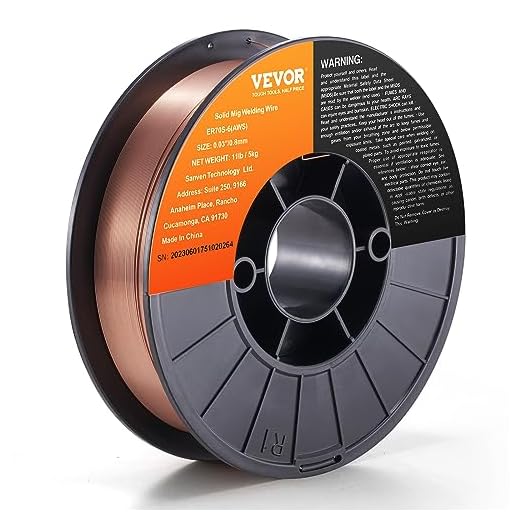
For mild steel, ER70S-6 wire is typically recommended as it provides good penetration and welding performance. For stainless steel, ER308 or ER309 wire is commonly used, depending on the specific alloy. Aluminum welding requires the use of ER4043 or ER5356 wire, depending on the application.
It’s essential to consult the Lincoln wire feed welder’s manual or contact Lincoln Electric for specific recommendations based on your welding application.
By choosing the right wire for your Lincoln wire feed welder, you can ensure optimal welding performance and achieve high-quality welds. The right wire diameter and material compatibility are key factors to consider for successful welding results.
Understanding the Different Types of Wire
When it comes to welding with a Lincoln wire feed welder, one of the key factors to consider is the type of wire that you use. Different types of wire have different properties and are suitable for different applications. Here, we will discuss some of the most common types of wire and their uses.
1. Solid Wire
Solid wire, also known as “bare wire” or “gasless wire,” is the most commonly used type of wire for welding with a Lincoln wire feed welder. It is a solid, continuous wire that does not contain any flux or shielding gas. Solid wire is typically used for welding mild steel and low alloy steel. It provides excellent penetration and produces a clean weld with minimal spatter.
2. Flux-Cored Wire
Flux-cored wire, as the name implies, contains a flux core that provides the shielding gas and flux for the weld. This type of wire is commonly used for welding in outdoor or windy conditions where a gas shield might be disrupted. Flux-cored wire is also used for welding thick materials and for applications that require higher deposition rates. It is available in both self-shielded and gas shielded varieties.
3. Aluminum Wire
Aluminum wire is specifically designed for welding aluminum and aluminum alloys. It is softer and more prone to clogging than other types of wire, so it requires careful handling. Aluminum wire is available in both pure aluminum and aluminum alloy formulations, depending on the specific application. It is typically used for welding aluminum structures, such as car frames, boats, and aircraft.
4. Stainless Steel Wire
Stainless steel wire is used for welding stainless steel and other high-alloy steels. It is corrosion-resistant and provides a strong weld with good heat resistance. Stainless steel wire is available in various grades and sizes to match the specific requirements of the welding task. It is commonly used in industries such as food processing, chemical, and medical.
| Type of Wire | Uses |
|---|---|
| Solid Wire | Mild steel, low alloy steel |
| Flux-Cored Wire | Outdoor welding, thick materials, high deposition rates |
| Aluminum Wire | Aluminum and aluminum alloys |
| Stainless Steel Wire | Stainless steel, high-alloy steels |
Selecting the Appropriate Wire for Your Project
When it comes to welding with a Lincoln wire feed welder, selecting the right wire for your project is essential for achieving high-quality and strong welds. The type and diameter of the wire you choose can greatly affect the overall performance and final results of your welds. Here are some factors to consider when selecting the appropriate wire for your welding project:
1. Material Compatibility
One of the most important considerations when choosing welding wire is the compatibility with the material you are working with. Different metals require different types of wire to achieve optimal results. For example, stainless steel requires a specific type of wire, while mild steel requires another. It is crucial to match the wire’s composition with the material you intend to weld to ensure proper fusion and strength.
2. Wire diameter
The diameter of the wire plays a significant role in the welding process. Thicker wires are generally used for heavier work, as they can provide increased strength and stability. On the other hand, thinner wires are suitable for lighter projects that require more precision. The wire diameter should be chosen based on the thickness of the material being welded and the desired welding technique.
3. Welding Technique
Consider the welding technique you will be using for your project. Different techniques, such as MIG (Metal Inert Gas) or flux-cored welding, may require different types of wire. MIG welding typically utilizes solid wire, while flux-cored welding may require a flux-cored wire. Each technique has its advantages and specific wire requirements, so it is essential to choose the appropriate wire for your chosen welding method.
It is recommended to consult the manufacturer’s guidelines and recommendations when selecting the appropriate wire for your Lincoln wire feed welder. They can provide valuable information on the specific wires compatible with your welding machine and project requirements. By choosing the right wire, you can ensure optimal performance, durability, and overall success of your welding projects with a Lincoln wire feed welder.
Preparing the Welder
Before you start welding with your Lincoln wire feed welder, it is important to properly prepare the machine. Follow these steps to ensure that everything is set up correctly:
1. Connect the Power
First, make sure that the welder is connected to a reliable power source. Check the power cord to ensure that it is not damaged and that it is the correct voltage for your machine. Plug the welder into a grounded outlet to avoid electrical accidents.
2. Select the Correct Wire
Choose the appropriate wire for the type of welding you will be doing. Factors such as metal thickness and the type of metal being welded will determine which wire to use. Consult the user manual or seek guidance from a professional if you are unsure which wire is best suited for your specific welding needs.
3. Load the Wire
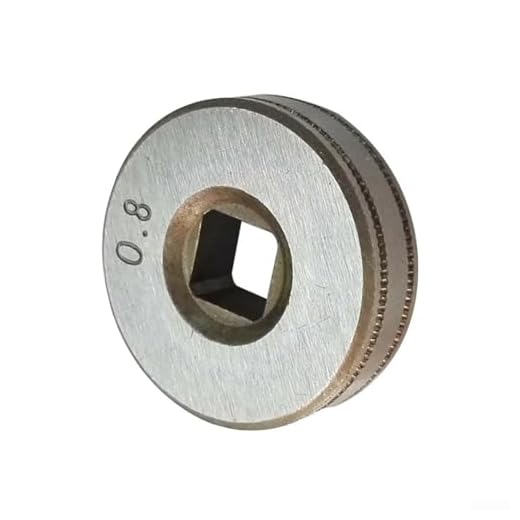
Once you have selected the correct wire, it’s time to load it into the welder. Open the wire feed compartment and ensure that the wire spool is properly seated and secured. Feed the wire through the drive rolls and guide it towards the torch assembly.
4. Set the Correct Voltage and Wire Feed Speed
Adjust the voltage and wire feed speed settings according to the specifications provided by the manufacturer. These settings will vary depending on the thickness of the metal and the type of wire being used. Use the control knobs or digital interface on the welder to make the necessary adjustments.
5. Attach the Ground Clamp
Before you start welding, connect the ground clamp to the workpiece. This will ensure proper grounding and help create a stable arc during the welding process. Make sure the clamp is securely attached and that it is in direct contact with the metal you will be welding.
By properly preparing your Lincoln wire feed welder, you can ensure a smooth and efficient welding process. Take the time to follow these steps and familiarize yourself with the controls and settings on your machine. With the right preparation, you’ll be ready to start welding with confidence.
Checking the Power Supply
Before you start welding with a Lincoln wire feed welder, it is important to check the power supply to ensure it is appropriate for the machine. Follow these steps to check the power supply:

| 1. | Verify that the welding machine is properly grounded. The power cord should be securely connected to a grounded outlet or power source. |
| 2. | Inspect the power cord for any signs of damage, such as fraying or exposed wires. If the power cord is damaged, do not use the machine and seek professional assistance to repair or replace it. |
| 3. | Check the voltage and amperage specifications of the welder. Ensure that the power supply can supply the necessary voltage and amperage for the machine. This information can usually be found on the back of the welder or in the user manual. |
| 4. | Use a multimeter to test the voltage of the power supply. Set the multimeter to the appropriate voltage range and insert the probes into the outlet or power source. The reading should match the voltage specifications of the welder. If the reading is significantly different, consult an electrician to resolve the issue. |
| 5. | Ensure that there is a stable power supply with no fluctuations or power surges. In case of power irregularities, consider using a surge protector or voltage stabilizer to protect the welder from damage. |
By thoroughly checking the power supply, you can ensure that your Lincoln wire feed welder operates safely and efficiently.
Questions and answers
What is a Lincoln wire feed welder and how does it work?
A Lincoln wire feed welder is a type of welding machine that uses a spool of wire to feed the filler metal into the weld joint. It works by creating an electric arc between the wire and the workpiece, melting the wire and fusing it together with the base metal. This process is known as electric arc welding.
Can I weld different types of metal with a Lincoln wire feed welder?
Yes, you can weld different types of metal with a Lincoln wire feed welder. However, it is important to use the correct type of wire and shielding gas for the specific metal you are welding. For example, if you are welding stainless steel, you should use stainless steel wire and an appropriate shielding gas, such as argon.
Is it difficult to learn how to weld with a Lincoln wire feed welder?
Learning how to weld with a Lincoln wire feed welder is not difficult, but it does require practice and patience. It is important to understand the principles of welding, such as proper technique, safety precautions, and the settings and adjustments on the welding machine. With proper training and practice, anyone can learn how to weld with a wire feed welder.
What safety precautions should I take when welding with a Lincoln wire feed welder?
When welding with a Lincoln wire feed welder, it is important to take several safety precautions. These include wearing proper welding gloves, a welding helmet, and protective clothing to protect against sparks and heat. You should also ensure that the work area is well-ventilated and free of flammable materials. Additionally, always follow the manufacturer’s instructions and guidelines for safe operation of the welding machine.
Can I weld thick materials with a Lincoln wire feed welder?
Yes, you can weld thick materials with a Lincoln wire feed welder. However, you may need to increase the welding machine’s output power and use a larger diameter wire and a higher amperage setting to ensure proper penetration and fusion. It is also important to use the correct welding technique, such as making multiple passes or using a weaving motion, to ensure a strong and reliable weld.


Meet Harrison Clayton, a distinguished author and home remodeling enthusiast whose expertise in the realm of renovation is second to none. With a passion for transforming houses into inviting homes, Harrison's writing at https://hutsrenovations.co.uk/ brings a breath of fresh inspiration to the world of home improvement. Whether you're looking to revamp a small corner of your abode or embark on a complete home transformation, Harrison's articles provide the essential expertise and creative flair to turn your visions into reality. So, dive into the captivating world of home remodeling with Harrison Clayton and unlock the full potential of your living space with every word he writes.


